
Nvidia Board Rejects Huang Return, Citing National Security Risks
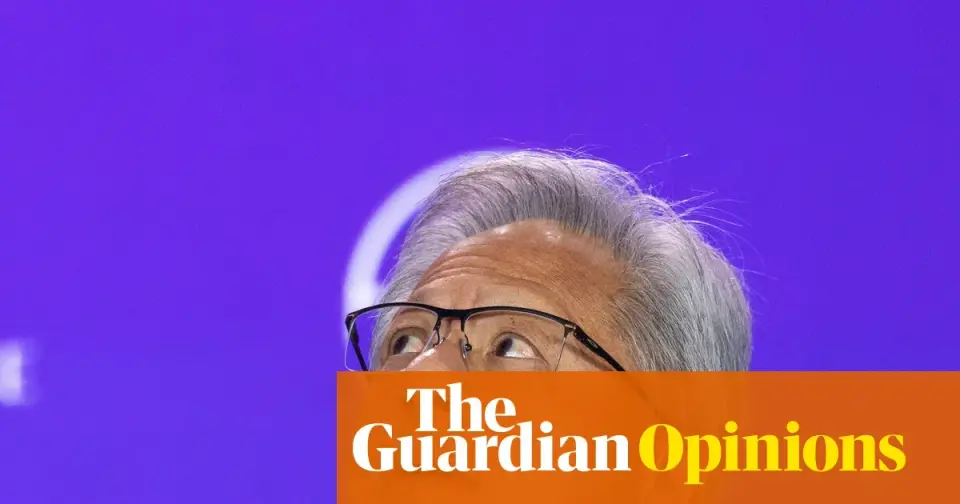
Nvidia's board has unanimously rejected the reinstatement of founder Jensen Huang, who resigned last week amid allegations of extramarital affairs and potential ties to Chinese intelligence. While Huang expressed willingness to return, the board affirmed confidence in interim CEO Colette Kress. The company reported strong Q3 earnings but faces ongoing scrutiny over export controls and national security risks.
Key points
- Nvidia's board chair Harvey Jones stated the company will not reinstate Jensen Huang, who resigned last week after admitting to an affair with a woman suspected of being a Chinese spy.
- Interim CEO Colette Kress assured investors that Nvidia's roadmap remains on track, with Q3 revenue reaching $115.8 billion, up 103% year-on-year.
- Huang is scheduled to testify before US congressional committees on December 1 regarding his relationship with Alice Huang and chip sales to Singapore-based Megaspeed.
- Nvidia's stock has dropped 35% since its October high, erasing roughly $2 trillion in market value, though shares rose 5% after the earnings release.
- The company has established a new national security and export control oversight committee to ensure compliance with global trade regulations.
Background
Jensen Huang's resignation in November 2026 triggered significant market turmoil, as Nvidia is a central financier and supplier for the US AI industry. Previous coverage highlighted how his departure removed a key figure from the AI boom, which accounts for a substantial portion of US economic growth. The incident follows a broader trend of concentration in the US economy, where a few tech leaders hold disproportionate influence.
How outlets are covering it
The Guardian emphasizes the systemic risk of an 'authoritarian economy' where a few tech leaders are 'too big to fail,' arguing that Huang's personal scandal exposes vulnerabilities in the US economic structure. CNBC focuses on Elon Musk's public support for Huang, calling his departure a 'smart decision' to avoid, while also expressing regret over midterm spending. CNN highlights the board's decisive rejection of Huang's return and the company's strong financial performance, framing the situation as a manageable leadership transition rather than a crisis.
Why it matters
The outcome of Huang's case and Nvidia's stability are critical for the global AI industry and US economic growth. The board's decision to move forward without Huang signals a shift in leadership, while ongoing congressional testimony and export control tightening could impact Nvidia's business in China and Asia. The incident underscores the risks of concentrated power in the tech sector and the potential for personal scandals to trigger broader economic consequences.
What to watch
Huang will testify before US congressional committees on December 1. Nvidia will continue its search for a permanent CEO while strengthening national security and compliance initiatives. The company will also face ongoing scrutiny over export restrictions and its business in China and Asia.
- In an authoritarian economy, Jensen Huang may be too big to fail | Robert Reich The Guardian
- Uber Co-Founder Kalanick Teases Protest at Nvidia as Calls for Huang’s Return Continue WSJ
- Musk says Jensen Huang is irreplaceable, regrets midterm spending CNBC
- Nvidia rules out Jensen Huang’s return as CEO, tells investors ‘we’ve got this’ CNN
- Musk: ‘There’s no one that can really replace’ Huang at Nvidia The Hill
Want the full story? Read the original reporting
Read on The Guardian