
Nvidia CEO Jensen Huang Resigns, Leaving $4 Trillion Giant in Interim Leadership
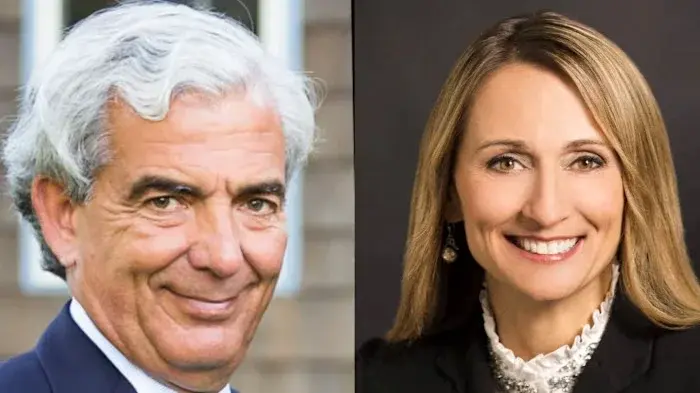
Nvidia founder and CEO Jensen Huang resigned on Thursday, triggering a leadership vacuum at the $4 trillion chipmaker. Colette Kress, the company’s longtime CFO, has been appointed interim CEO, while board member Harvey Jones was named chairman. The abrupt departure, which followed reports of another intimate relationship with an employee, highlights the risks of Nvidia’s founder-centric organizational structure. Analysts suggest the transition may create opportunities for customers to renegotiate contracts, as Huang was known for aggressive negotiation tactics. While demand for GPUs remains high, the lack of a clear permanent successor has raised concerns about corporate stability.
Key points
- Jensen Huang resigned as CEO of Nvidia on Thursday, ending his tenure as the founder who drove the company’s AI boom.
- Colette Kress, Nvidia’s CFO, was named interim CEO to stabilize the company during the transition.
- Harvey Jones, a board member since 1993, was appointed as Nvidia’s first chairman.
- Huang’s resignation was preceded by reports of another intimate relationship with an Nvidia employee.
- Huang had discussed succession plans weeks prior but offered no concrete details, stating the next CEO would need to be hired.
- Prediction markets suggest Ian Buck, creator of the CUDA platform, is a candidate for the permanent CEO role.
Background
Nvidia has been a central figure in the artificial intelligence boom, transforming from a gaming chip maker into a dominant force in AI infrastructure. The company’s success was heavily tied to Jensen Huang’s leadership and his unique organizational structure, which prioritized his vision over traditional corporate hierarchies. This structure, while effective during growth phases, has now exposed vulnerabilities in succession planning and corporate governance.
How outlets are covering it
The Financial Times source is inaccessible, providing no direct commentary. Business Insider frames the resignation as a critical moment for Nvidia, emphasizing the risks of a founder-centric culture and the potential for customer renegotiation. BI highlights the lack of succession planning as a major issue, contrasting Huang’s previous vague comments on succession with the current leadership vacuum. The outlet also notes the irony of Huang’s recent discussions on succession, which offered little concrete detail. While BI acknowledges Nvidia’s continued leverage in the AI market, it suggests that the leadership transition could disrupt the status quo for customers and partners.
Why it matters
The resignation of Jensen Huang marks a pivotal moment for Nvidia, a company valued at $4 trillion and central to the global AI infrastructure. The lack of a clear succession plan and the appointment of an interim CEO raise questions about corporate stability and strategic direction. For customers and partners, the transition may present opportunities to renegotiate terms, potentially altering the power dynamics in the AI chip market. The event underscores the risks associated with founder-led organizations and the importance of robust succession planning in large tech companies.
What to watch
Nvidia will need to select a permanent CEO to replace Jensen Huang. Colette Kress will continue as interim CEO while the search progresses. The company may also face internal restructuring to address the organizational issues highlighted by the leadership vacuum. Customers and partners may attempt to renegotiate contracts, leveraging the uncertainty surrounding Nvidia’s leadership. The market will watch for signs of stability or disruption in Nvidia’s operations and strategic direction.
- ‘How would you position this?’: The Silicon Valley veterans now steering Nvidia Financial Times
- Nvidia’s Board, Free of Star CEOs, Takes On Tech’s Most Important Job Hunt Bloomberg.com
- Who Is Harvey Jones, Nvidia’s New Chair? WSJ
- Nvidia's Leadership Vacuum Could Create a Unique Opportunity for Its Customers Business Insider
- Who is Harvey Jones, Nvidia's first-ever board chair? Reuters
Want the full story? Read the original reporting
Read on Financial Times