
Nvidia Halts China Chip Sales After Huang Ouster and Megaspeed Scandal
Nvidia has ceased selling H200 chips to China following the ouster of CEO Jensen Huang and new U.S. export restrictions. The decision ends a controversial loophole that allowed advanced AI accelerators to reach Chinese markets, including those linked to military entities. While Nvidia claims the move will not impact top-line revenue due to strong demand for newer models, analysts warn of significant revenue losses and potential market share erosion as Chinese labs seek alternative sources.
Key points
- Nvidia acting CEO Colette Kress announced the company will no longer sell H200 chips in China, ending a loophole brokered by former CEO Jensen Huang and President Trump that required a 25% tariff.
- New U.S. rules bar advanced chips from foreign data centers serving Chinese customers remotely, potentially forcing large data centers to certify they do not serve Chinese clients or face restrictions.
- Investment bank Jefferies forecasts these rules could trim $44 billion to $62 billion from Nvidia’s data center revenue next year, though Kress argues demand for Vera Rubin chips mitigates this impact.
- The New York Times reports that Megaspeed, a Singapore firm linked to Alibaba, purchased over $4 billion in Nvidia chips, with some technology allegedly aiding a lab with links to China’s military.
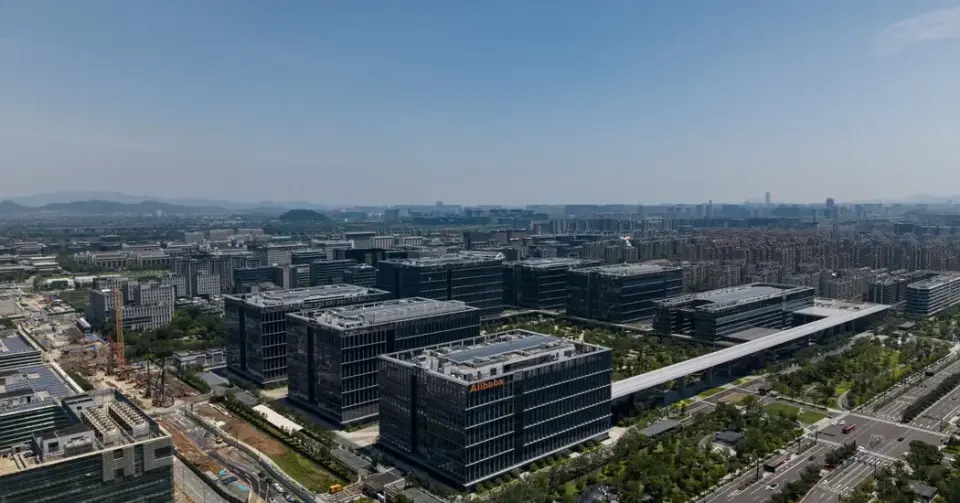
- Alibaba’s market value has dropped to $216 billion, less than half its level from a year ago, as investors question its AI business plan amid tightening chip access.
- Critics note that up to 20% of Nvidia’s revenue was linked to China, with its Singapore subsidiary generating $104 billion in 2025 before disclosure stopped.
Background
This development follows recent reports of military-linked Chinese institutions, such as Northwestern Polytechnical University, acquiring restricted Nvidia H200 chips through domestic suppliers despite U.S. blacklists. The current situation escalates previous concerns about gaps in export enforcement and Nvidia’s lobbying efforts, occurring shortly after the 2026 midterms which shifted political control in key states.
How outlets are covering it
The New York Times emphasizes the human element of the scandal, detailing how Alice Huang and Kang Wei pitched investors using their relationship with Jensen Huang to secure chip supplies for Megaspeed, a company linked to Alibaba. In contrast, Yahoo Finance focuses on the corporate and regulatory fallout, highlighting the ouster of Huang and the immediate financial implications for Nvidia, including the new board-level committee for national security. Bloomberg centers on the impact on Alibaba, noting its stock’s nine-day losing streak and the challenge to its AI growth strategy. While the Times highlights the potential military link via Megaspeed, Yahoo Finance notes that China had largely refused H200 deliveries previously to boost domestic chip production, and Bloomberg points to the broader market value decline of Alibaba as a result of these restrictions.
Why it matters
The cessation of H200 sales marks a pivotal shift in U.S.-China tech relations, potentially accelerating China’s push for domestic chip development and forcing global AI labs to diversify their hardware supply chains. The financial impact on both Nvidia and Alibaba could reshape the competitive landscape of artificial intelligence infrastructure, while the new export rules may set a precedent for stricter controls on remote data center access, influencing future trade policies and technological sovereignty debates.
What to watch
Nvidia is expected to report earnings later this week, where the impact of the new export controls on its revenue will be scrutinized. Investors will watch for signs of market share loss in Southeast Asian markets like Singapore and Malaysia. Meanwhile, Chinese AI labs may accelerate efforts to train models on alternative chip architectures or seek workarounds through certified foreign data centers, while U.S. lawmakers may push for further tightening of export controls to close remaining loopholes.
- How Nvidia Chips Ended Up Within Reach of China’s Military The New York Times
- Nvidia is abandoning China after Jensen Huang's ouster Yahoo Finance
- Alibaba’s AI Ambitions Face Steep Challenge in US Chip Controls Bloomberg.com
- How Jensen Huang Built the Backdoor Route That Keeps Beijing in the AI Race WSJ
- Nvidia stops shipping US-approved AI chips to China Reuters
Want the full story? Read the original reporting
Read on The New York Times