
Nvidia’s AI Financing Retreat Won’t Fix 2027 Gaming GPU Prices
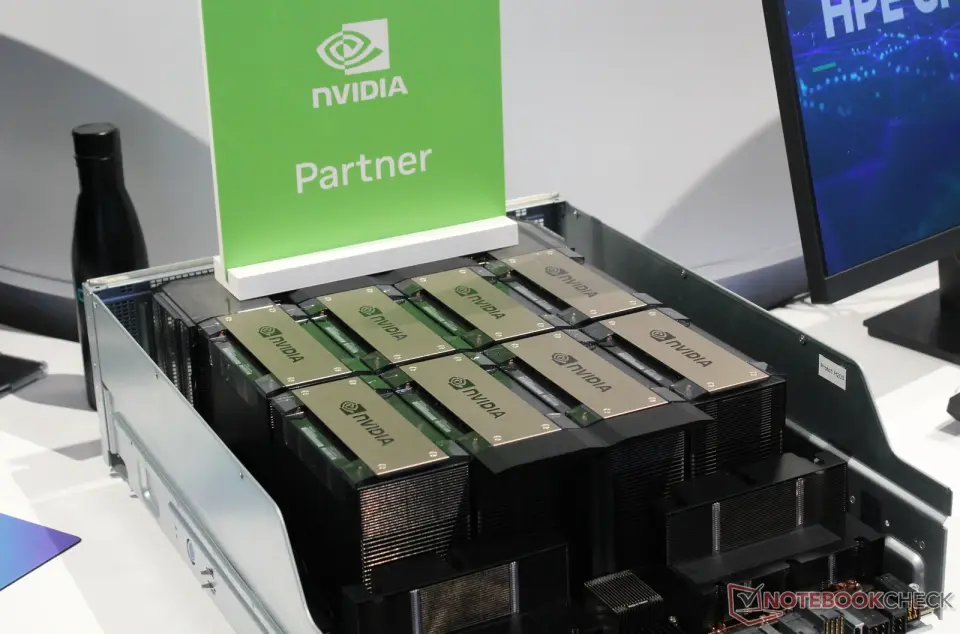
Nvidia’s reported retreat from circular AI financing is unlikely to lower GeForce graphics card prices in 2027. While former CEO Jensen Huang’s financial support for AI startups created artificial demand for data-center chips, gaming GPUs rely on different memory and manufacturing processes. Supply constraints and production delays mean freed-up resources will not quickly translate into affordable consumer hardware.
Key points
- Nvidia’s AI and gaming GPU markets use different components, such as HBM versus GDDR memory, preventing direct resource conversion.
- Semiconductor production takes approximately six months, meaning new orders will not immediately increase retail availability.
- Data-center hardware remains more profitable, incentivizing Nvidia and suppliers to prioritize AI products over consumer cards.
- The RTX 5090 currently sells for approximately $9,400, nearly five times its $1,999 launch price, while the RTX 5080 costs around $2,200 versus a $999 MSRP.
Background
This story follows recent revelations that Jensen Huang used Nvidia funds to finance AI startups, creating artificial demand to absorb excess TSMC silicon. This 'circular financing' strategy allegedly suppressed GPU price drops and contributed to record-high retail costs. Huang’s recent resignation and the appointment of interim CEO Colette Kress have intensified scrutiny of these financial arrangements, though the core supply chain issues remain unresolved.
How outlets are covering it
Notebookcheck and shattered.io emphasize that AI and gaming GPUs rely on distinct manufacturing processes and memory types, meaning a reduction in AI financing will not immediately lower consumer prices. They note that while Nvidia’s fiscal 2026 gaming revenue rose 41%, street prices remain inflated due to broader memory shortages and supply constraints. TechPowerUp and Wccftech focus on the alleged 'artificial scarcity' created by Huang’s financing of AI startups to absorb excess TSMC silicon, highlighting the clash between Huang and Kress over the $125 billion OpenAI guarantee. While some outlets frame this as a deliberate scheme to inflate prices, others argue the link between AI financing and consumer GPU costs is indirect and unproven, citing the lack of direct evidence that Nvidia diverted consumer cards to AI buyers.
Why it matters
The disconnect between Nvidia’s AI financing strategies and consumer GPU availability highlights the complex supply chain dynamics in the semiconductor industry. Gamers face significantly higher prices due to competition for memory and manufacturing resources, even as Nvidia’s gaming revenue grows. This situation underscores the long-term impact of corporate financial strategies on consumer hardware accessibility and market stability.
What to watch
Nvidia is expected to continue prioritizing data-center hardware due to higher profit margins, potentially delaying any significant increase in GeForce production. Analysts suggest that while reduced AI financing may eventually free up some capacity, existing contracts and manufacturing delays will prevent a rapid return to affordable pricing. Consumers should monitor memory market trends and Nvidia’s future product allocations for any shifts in consumer GPU availability.
- Nvidia’s retreat from Huang's circular AI financing won’t bring back affordable GeForce cards in 2027 Notebookcheck
- NVIDIA Allegedly Engineered Scarcity By Funding AI Startups To Buy Its GPUs TechPowerUp
- Instead Of Lowering GPU Prices, Former NVIDIA CEO Jensen Huang Reportedly Financed AI Startups To Absorb Excess Silicon, Shattering The Shortage Perception Wccftech
- George Noble: Collapse of NVDA and AI ecosystem will be epic Traders Union
- NVIDIA AI Investments and GPU Prices: $17.5B vs $9,400 shattered.io
Want the full story? Read the original reporting
Read on Notebookcheck