
OpenAI Launches Policy Blitz to Rebrand Data Centers and Safeguard Midterms
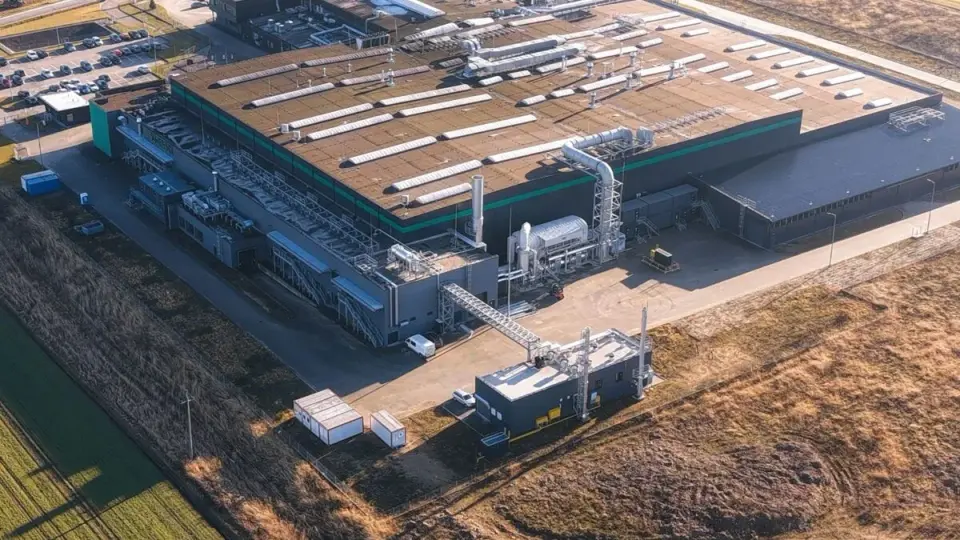
OpenAI is launching a coordinated policy and public relations campaign ahead of the US midterm elections. The company aims to rebrand data centers as 'compute campuses' to improve public perception, while simultaneously deploying safeguards against AI-generated deepfakes and establishing an election operations center to monitor misinformation. These moves are part of a broader strategy to influence the upcoming lame-duck congressional session and position the company favorably for the 2028 presidential cycle.
Key points
- OpenAI has officially adopted 'compute campuses' as its preferred term for AI infrastructure, a shift confirmed by a spokesperson to Business Insider to emphasize long-term community benefits.
- The company is launching an Election Operations Center to monitor real-time misinformation and enforce platform policies regarding the upcoming November 3 midterms.
- ChatGPT now restricts photorealistic image generation for election-related prompts, forcing users into cartoon styles to prevent the creation of deceptive deepfakes.
- OpenAI chief global affairs officer Chris Lehane stated the company is stockpiling policy proposals, including 'speed limits' for AI, to influence the new Congress and 2028 presidential candidates.
- The rebranding effort coincides with a broader industry push to counter negative public sentiment, with only 4% of Americans viewing data centers positively across all impact categories in a recent Pew survey.
Background
This strategic shift follows a period of heightened scrutiny regarding AI infrastructure. In October, Amazon abandoned a controversial data center plan in Virginia in favor of mixed-use development, and OpenAI CEO Sam Altman faced criticism for dismissing consumer memory usage as inefficient during a global memory crisis. Additionally, a recent $20 billion revenue miss by OpenAI triggered market jitters, with analysts predicting a potential AI bubble burst by 2028. These events underscore the growing tension between rapid AI expansion and public or economic stability.
How outlets are covering it
Gizmodo frames the terminology change as a response to declining public opinion, noting that Americans hold a negative view of AI's future role. Axios provides a deeper strategic context, revealing that OpenAI is using the rebrand as part of a 'power play' to align with a potentially Democratic-controlled Congress and to shape the narrative for 2028 presidential hopefuls. Politico and CNET focus on the operational side, highlighting the new Election Operations Center and the specific technical safeguards against deepfakes. While Gizmodo questions whether name changes can alter public sentiment, Axios emphasizes OpenAI's desire to position itself as a 'human-centered' alternative to both doomers and accelerationists. CNET notes that while these deepfake safeguards are effective, they may not persist after the election cycle, and other companies like Google and Anthropic are implementing similar but less detailed protections.
Why it matters
This initiative marks a significant pivot in how major AI companies engage with democratic processes and public perception. By proactively managing the narrative around infrastructure and election integrity, OpenAI is attempting to mitigate regulatory risks and build political capital. The success of these measures could set precedents for how AI firms interact with government and communities, potentially influencing future legislation on AI safety, data center siting, and digital misinformation.
What to watch
OpenAI is expected to unveil specific policy proposals during the lame-duck session of Congress starting November 9. The company will likely push for state-level legislation regarding community benefits for AI infrastructure and continue to monitor election-related content. The long-term impact of the 'compute campus' branding and the durability of the deepfake safeguards will be closely watched by regulators and the public in the coming months.
- OpenAI Would Reportedly Like You to Use Its Pleasant New Term for Data Centers Gizmodo
- Behind the Curtain: OpenAI's post-election power play Axios
- OpenAI might rebrand its data centers as ‘AI compute campuses’ TechCrunch
- OpenAI launching election war room to track interference efforts Politico
- OpenAI Has a Surprising Defense Against Election Deepfakes CNET
Want the full story? Read the original reporting
Read on Gizmodo