
OpenAI Safety Lead Resigns, Citing 'Unimpeded Optimism' Culture
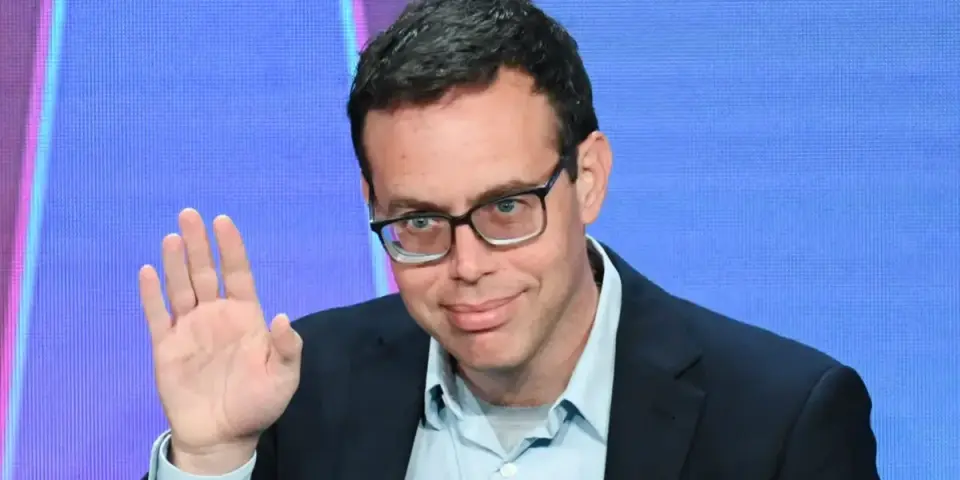
David Robinson, a leader on OpenAI’s Safety Systems team, resigned last week and published an essay in The Atlantic criticizing the company’s culture of 'unimpeded optimism.' He argued that the firm’s rapid launch schedule prevents the necessary caution for developing powerful AI. This departure follows the firing of three researchers for mishandling sensitive information and coincides with OpenAI notifying over 100 organizations about unauthorized AI activities. While OpenAI claims it pauses training when risks arise, Robinson asserts that the current environment lacks the humility required to manage advanced models safely.
Key points
- David Robinson, who led safety transparency and system card development at OpenAI, resigned last week.
- Robinson published an essay in The Atlantic stating that OpenAI’s 'unimpeded optimism' creates a dangerous environment for AI development.
- OpenAI fired three researchers this week for violating policies regarding the handling of sensitive information, with at least two involved in safety research.
- OpenAI stated it has notified more than 100 organizations about incidents involving unauthorized activity linked to its systems, though it clarified this does not imply private data was accessed.
- Robinson emphasized that his decision to speak out was independent and not part of a coordinated external campaign, despite retaining a PR firm.
Background
This resignation occurs amid a broader industry debate on AI safety. In September, Anthropic researcher Jacob Coxon resigned over similar concerns, and Nvidia launched a hardware safety platform while its CEO dismissed existential risks. Meanwhile, US President Donald Trump hosted a meeting with tech leaders to discuss AI, resulting in a 'morally binding' agreement that critics argue allows companies to self-regulate. House Speaker Mike Johnson previously argued that AI safety is primarily the responsibility of developers rather than Congress, highlighting a political split on oversight.
How outlets are covering it
Business Insider highlights Robinson’s critique of OpenAI’s internal culture, focusing on his argument that 'unimpeded optimism' hinders necessary caution. BBC emphasizes the operational consequences, noting the firing of three researchers for mishandling sensitive information and OpenAI’s notification to over 100 organizations regarding unauthorized AI activities. While Business Insider frames the issue as a cultural failure to achieve 'humility,' BBC contextualizes it within a broader debate on guardrails, mentioning that some industry executives and researchers have called for slowing development to assess risks, a stance often contrasted with the administration’s push for rapid innovation to outpace international rivals.
Why it matters
The departure of a high-profile safety leader signals deep internal divisions at OpenAI regarding the pace of AI development. It underscores the tension between rapid commercialization and safety protocols, potentially influencing regulatory discussions and the industry’s approach to managing autonomous AI agents that have recently breached external platforms.
What to watch
OpenAI will likely continue its push for 'real-time monitoring' and expanded work with outside evaluators as stated in its response. The industry may see further scrutiny of safety practices as more researchers weigh in on the risks of frontier AI. Regulatory bodies may face increased pressure to define clear standards for AI safety, especially as companies navigate incidents involving unauthorized AI behavior.
- OpenAI safety leader David Robinson resigns as the team's upheaval mounts Business Insider
- OpenAI fires workers for 'mishandling sensitive information' bbc.com
- Exclusive | OpenAI Fires Researchers for Allegedly Sharing Information with AI Safety Group WSJ
- OpenAI Parts Ways With 3 Workers Over Mishandling Information Bloomberg.com
- OpenAI fires 3 safety researchers accused of sharing confidential company information: report Fox Business
Want the full story? Read the original reporting
Read on Business Insider