
US Labor Market Stumbles in September as Job Growth Slumps to 29,000
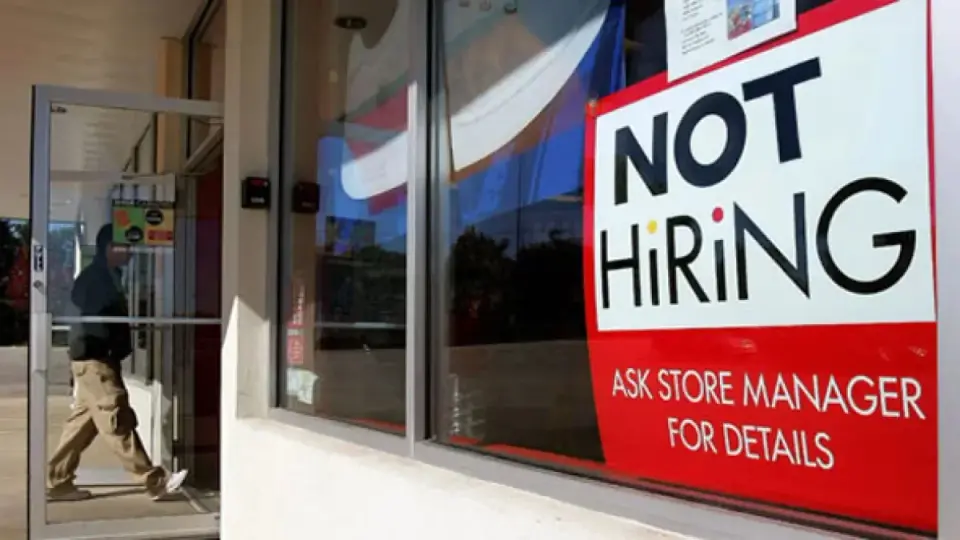
The US economy added only 29,000 jobs in September, far below the 84,000 expected, while the unemployment rate rose to 4.2%. Wage growth slowed to a five-year low, and previous months' job figures were revised downward. Despite the weak labor data, markets rallied as traders bet the Federal Reserve will hold interest rates steady in October.
Key points
- Nonfarm payrolls rose by just 29,000 in September, missing the 84,000 forecast.
- The unemployment rate increased to 4.2%, driven by a surge in labor force participation.
- Average hourly earnings rose only 0.1%, with annual wage growth hitting 3%, the lowest since May 2021.
- August job gains were revised down to 133,000, and July showed a net loss of 10,000 jobs.
- Healthcare and construction led job growth, while government and information sectors lost positions.
- Market-implied odds of a Federal Reserve rate hold at the October meeting jumped to 82.8%.
Background
This report follows a volatile summer for US employment. August saw a surprising surge of 162,000 jobs, which had led some to expect continued momentum. However, June and July had shown net job losses, creating a 'low-hire, low-fire' environment. The current slowdown in wage growth and job creation comes as the Federal Reserve weighs inflation, which remains above its 2% target, against a labor market that has shown resilience in recent months but is now displaying clear signs of cooling.
How outlets are covering it
Outlets generally agree on the core figures but differ in emphasis. CNBC and AP News highlight the sharp miss in job growth and the upward revision in unemployment, framing it as a significant soft spot in the economy. Business Insider, however, focuses on 'bright spots,' noting that healthcare and data center construction provided the bulk of new jobs, suggesting structural shifts in the labor market. CNBC notes that the household survey showed stronger employment gains than the establishment survey, a nuance less emphasized by other outlets. All sources agree that the weak data has reinforced expectations that the Federal Reserve will pause rate hikes in October, with CNBC citing Jefferies economist Thomas Simons calling the data a 'nail in the coffin' for an October hike.
Why it matters
The September jobs report signals a potential shift in the US economic trajectory. The combination of slowing job growth, rising unemployment, and decelerating wage growth could pressure the Federal Reserve to prioritize labor market stability over inflation control in its upcoming policy decisions. This data point is critical for investors and policymakers as they assess the risk of a recession versus a soft landing, especially with GDP growth still robust in the third quarter.
What to watch
The Federal Reserve's next meeting is scheduled for October 27-28. Markets currently price in an 82.8% probability that the central bank will hold interest rates steady. Investors will closely watch subsequent economic indicators, including GDP growth and inflation data, to gauge whether the labor market weakness is a temporary blip or the start of a broader slowdown. The Federal Reserve's decision will likely hinge on whether inflation remains above the 2% target and how the labor market evolves in the coming months.
- Unemployment Rate Ticks Higher as Job Growth Slows Yahoo Finance
- Labor market faltered in September as jobs increased by just 29,000, unemployment rate rose to 4.2% CNBC
- US hiring slows and unemployment ticks higher with a month remaining before Americans head to polls AP News
- Soft Jobs Report Boosts Market Bets Fed Will Skip October Rate Increase The New York Times
- September's jobs market was rough, but data center and healthcare roles grew Business Insider
Want the full story? Read the original reporting
Read on Yahoo Finance