
G7 Unveils 100 Million Barrel Fuel Release to Offset US Export Threats
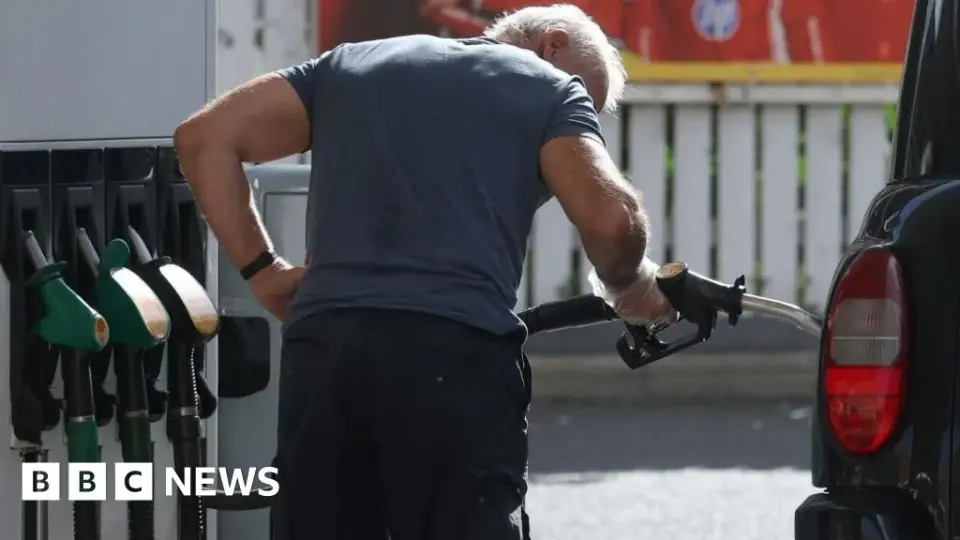
The G7 has agreed to release 100 million barrels of oil and diesel from strategic reserves over four months to stabilize soaring fuel prices. This coordinated action, led by the International Energy Agency, averts a threatened US export ban on diesel. While the move aims to lower costs for consumers and businesses, experts warn that depleting emergency stocks without clear replenishment plans poses long-term risks, especially amid ongoing geopolitical conflicts.
Key points
- The G7 announced a release of 100 million barrels of oil and diesel, with a substantial portion of diesel released within the first 20 days.
- The release is coordinated by the International Energy Agency and will last for four months, with no export restrictions between G7 members.
- US President Donald Trump confirmed that a diesel export ban, previously threatened to lower domestic prices, would not proceed.
- Brent crude oil prices briefly dropped below $100 per barrel but rebounded to around $102 due to renewed tensions in the Middle East.
- UK diesel prices exceeded £2 per litre for the first time, highlighting the severity of the supply crunch.
Background
This development follows earlier G7 agreements in early October to release fuel reserves in response to US pressure. The current crisis is driven by the US-Israeli war in Iran, which has disrupted supply routes, and Ukrainian attacks on Russian refineries, leading to Russian export bans. These factors have caused global diesel prices to surge to record levels, prompting the latest coordinated release to mitigate price shocks.
How outlets are covering it
BBC reports that the release will begin immediately and emphasizes the political resolution of the US export ban threat, noting that Trump praised Europe's contribution. The Times of India highlights the uncertainty surrounding whether the 100 million barrels are additional to a previous March commitment of 426 million barrels. It also raises concerns from energy experts about the long-term risks of depleting emergency stocks without a clear replenishment strategy, especially given ongoing conflicts in the Middle East and Ukraine. While BBC focuses on the immediate market impact and political dynamics, The Times of India scrutinizes the sustainability and clarity of the supply intervention.
Why it matters
The G7's coordinated release aims to stabilize global fuel prices, which have surged due to geopolitical conflicts and supply disruptions. Diesel, critical for agriculture and haulage, has seen record prices, affecting food costs and economic stability. The move prevents a US export ban that could have exacerbated global shortages, but the long-term impact depends on the ability to replenish reserves and resolve underlying supply chain issues.
What to watch
The G7 will monitor the release of 100 million barrels over the next four months, with a focus on diesel. They will also coordinate refinery maintenance schedules to avoid simultaneous shutdowns and encourage increased diesel refining. The market will watch for clarity on whether this release is additional to previous commitments and how it affects global oil prices amid ongoing geopolitical tensions.
- G7 to release 100 million barrels of oil and diesel after Trump export ban threat bbc.com
- ‘Blackmail’: Europe fumes against White House demand for more diesel Politico
- G-7 Agrees to Release 100 Million Barrels of Diesel and Crude WSJ
- U.S. and Allies Agree to Release Diesel Reserves as Prices Soar The New York Times
- G7’s 100-million-barrel diesel fix: What happens after the emergency release The Times of India
Want the full story? Read the original reporting
Read on bbc.com