
G7 agrees to release 100 million barrels of diesel after US pressure
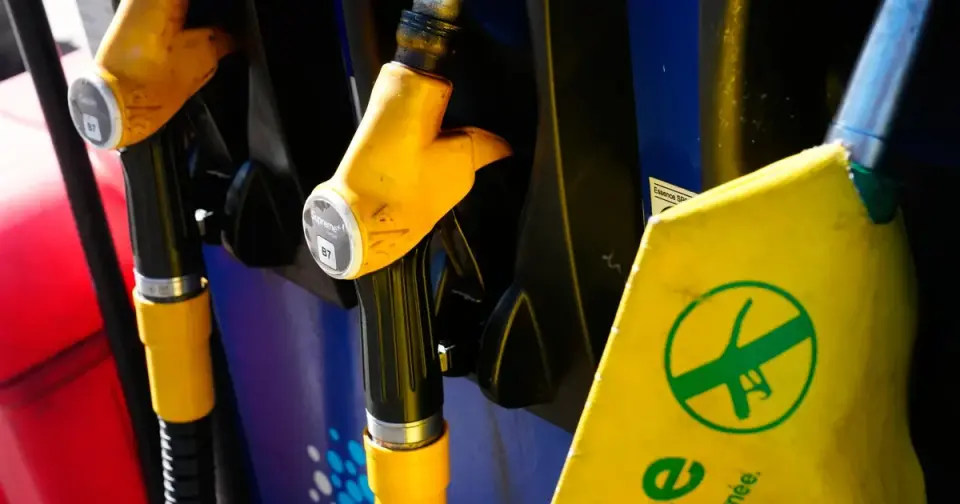
G7 leaders agreed to release 100 million barrels of oil and diesel from strategic reserves over four months to combat record-high fuel prices. The decision followed intense pressure from the US administration, which threatened to ban diesel exports unless Europe acted. While the US framed the move as a cooperative solution, European officials privately described the negotiations as coercive and 'blackmail.'
Key points
- G7 nations agreed to a coordinated release of 100 million barrels of oil and diesel, with a significant portion released in the first 20 days.
- The decision was triggered by record-high diesel prices in the US and Europe, driven by refinery damage from the Iran and Ukraine wars.
- President Trump threatened to ban US diesel exports if European leaders did not release their stockpiles, a move European diplomats called 'blackmail.'
- US officials bypassed traditional channels like the International Energy Agency, instead pressuring European governments and oil executives directly.
- Trump later stated that the US would not impose an export ban, claiming Europe was making a 'major world contribution.'
Background
This crisis follows a period of severe energy instability. Earlier in 2026, a US-led war against Iran and ongoing conflict in Ukraine damaged key refineries, causing global fuel prices to spike. In March, a previous commitment to release 400 million barrels was made, but much of that supply did not reach European markets due to cheaper US crude. The current release is an attempt to stabilize prices ahead of US midterm elections, where high energy costs are a major political issue.
How outlets are covering it
Outlets disagree on the nature of the negotiations. CBS News and The Washington Post present the outcome as a successful, cooperative agreement between G7 leaders to address market tensions. In contrast, Politico highlights that European leaders felt coerced, with one diplomat explicitly calling the US demands 'blackmail.' Politico notes that the US bypassed the International Energy Agency, using bilateral pressure and threats to force the release. The BBC reports that while the US avoided an export ban, the release may not significantly lower prices, as some analysts suggest the new commitment overlaps with unfulfilled March promises. European officials are divided, with some viewing the deal as a necessary defense against US threats, while others criticize the US for using its market power to solve domestic political problems.
Why it matters
The release of 100 million barrels is a critical intervention to prevent a global fuel shortage and economic recession. Diesel is essential for agriculture, transportation, and heating, so price spikes directly impact food costs and household budgets. The incident also highlights the fragility of transatlantic energy relations, as the US used the threat of an export ban to leverage European resources. This could set a precedent for future energy disputes, where market access is used as a political tool rather than a cooperative mechanism.
What to watch
The G7 will monitor the implementation of the release over the next four months. The US has stated it will closely watch market conditions and may demand additional releases if prices remain high. European governments will likely continue to resist further US pressure, while oil companies will assess the impact of the new supply on global markets. The US midterm elections are approaching, and the success of this release in lowering prices will be a key factor for the administration.
- Trump says Europe has agreed to release "massive amount" of diesel oil from stockpiles CBS News
- ‘Blackmail’: Europe fumes against White House demand for more diesel Politico
- G7 leaders agree to release up to 100 million barrels of diesel and crude oil bbc.com
- Tracking Trump: G-7 opens oil reserves; military prepares for a Middle East surge; Trump diverts aid to Latin America; and more The Washington Post
- G-7 Agrees to Release 100 Million Barrels of Diesel and Crude WSJ
Want the full story? Read the original reporting
Read on CBS News