
OpenAI's Dots targets Meta's Muse with premium AI agents, but price gap looms
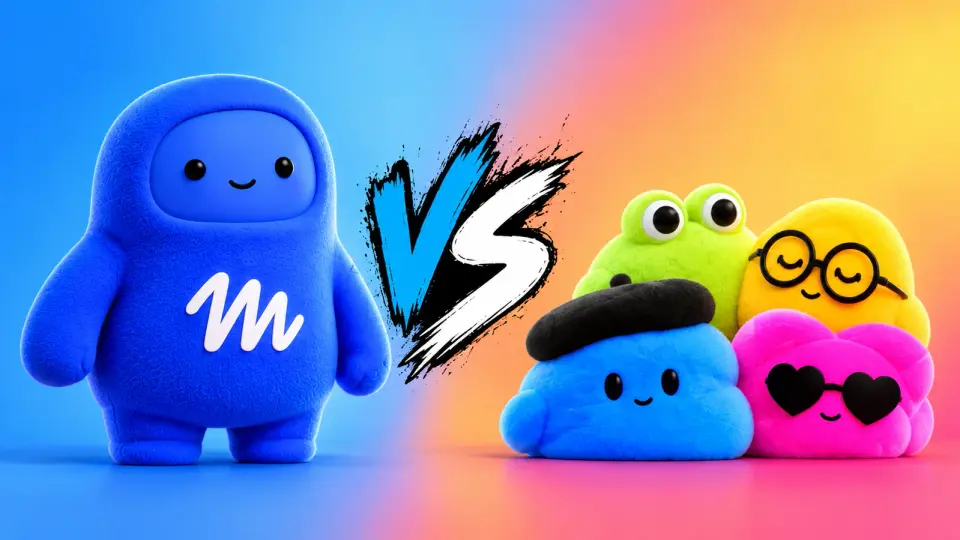
OpenAI launched Dots, a premium AI agent platform, to compete with Meta's free Muse. While Dots offers advanced capabilities, its high cost and limited access contrast sharply with Muse's widespread availability.
Key points
- OpenAI unveiled Dots at DevDay, powered by GPT-6 Astra, targeting professional and complex tasks.
- Dots is currently restricted to ChatGPT Pro users paying $100/month, unlike Meta's free Muse.
- Meta's Muse has gained over 2.5 million downloads since its September 8 launch, driving Meta's stock to record highs.
- OpenAI emphasizes Dots' security and privacy, contrasting with recent Muse privacy incidents.
- Both platforms feature cute, customizable avatars, but Dots focuses on long-horizon work tasks.
Background
Meta launched Muse on September 8, quickly dominating app charts and boosting its stock valuation. This success prompted OpenAI to accelerate its own agent development, leading to the Dots announcement at DevDay.
How outlets are covering it
Tom's Guide highlights the visual similarities between Meta's Muse and OpenAI's Dots, noting their cute, blob-like avatars, but stresses their differing capabilities and purposes. The Verge focuses on the competitive dynamics, emphasizing OpenAI's attempt to counter Meta's free model with a premium, secure alternative. It notes OpenAI's financial constraints and the challenge of competing with Meta's free access and integrated ecosystem.
Why it matters
The rivalry between Meta and OpenAI in the AI agent space signals a shift toward more personalized, autonomous AI tools. The pricing and accessibility differences will likely shape consumer adoption and market dominance in this emerging sector.
What to watch
OpenAI plans to expand Dots to mass markets and integrate it with Microsoft's Agent 365 platform. Meta may continue refining Muse's features and partnerships, while both companies will likely address privacy and security concerns to build user trust.
- Meta Muse vs ChatGPT Dots — I compared the new AI agents, and they’re not as similar as they look Tom's Guide
- Introducing dots OpenAI
- OpenAI’s new agent is a shot at Meta — but can it compete with free? The Verge
- OpenAI takes on Meta with dots agent in autonomous AI push Reuters
- Why OpenAI’s DevDay Looked Like Catch-Up The Information
Want the full story? Read the original reporting
Read on Tom's Guide