
Oura IPO Delay Highlights AI Wearable Privacy Crisis
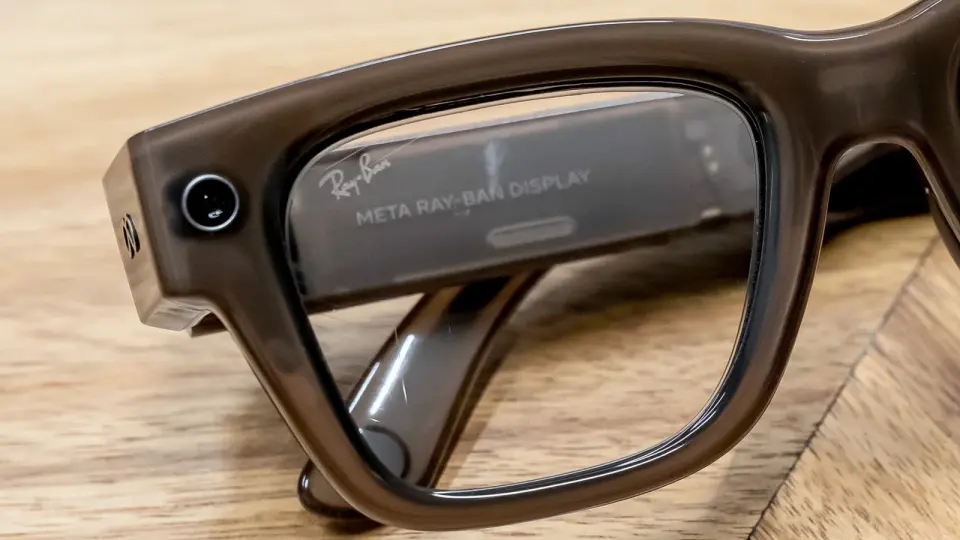
Smart ring maker Oura postponed its initial public offering, citing market uncertainty, while AI wearables face growing public backlash over privacy. Meta’s smart glasses have been criticized as surveillance tools, and analysts question if the technology’s utility outweighs consumer apprehension. The delay coincides with a broader trend of AI companies facing regulatory and public scrutiny.
Key points
- Oura delayed its IPO, blaming 'uncertainty in the IPO market,' though analysts suspect other factors.
- Meta’s Ray-Ban AI glasses face backlash, with users reporting unauthorized recording and harassment.
- Meta launched a camera-free smart glasses option to address privacy concerns.
- AI wearables are banned in some gyms and venues due to surveillance fears.
- The delay follows similar postponements by Holtec International and Bamboo Insurance.
Background
Oura’s IPO delay follows a pattern of AI-related companies facing market and public scrutiny. Earlier, Anthropic acknowledged public backlash against AI as a risk in its IPO plans, and AI hardware at IFA 2026 highlighted privacy concerns as a key issue. The broader AI market has seen significant investment, but public opposition to surveillance and data collection is intensifying.
How outlets are covering it
CNBC emphasizes the privacy backlash against AI wearables, particularly Meta’s smart glasses, and questions the utility of these devices. The Financial Times focuses on the broader IPO market, noting that Oura’s delay is part of a trend where AI companies face regulatory and public scrutiny. Athletech News highlights the impact of Oura’s delay on the fitness and wellness industry, suggesting that the company’s success is crucial for the sector. Analysts like Anshel Sag and Gil Luria express skepticism about the official reason for Oura’s delay, suggesting deeper issues.
Why it matters
The delay of Oura’s IPO and the backlash against AI wearables signal a growing public and regulatory resistance to surveillance technologies. This could impact the adoption and market value of AI wearables, forcing companies to prioritize privacy and utility over innovation. The broader AI market may face similar challenges as public opposition to AI surveillance intensifies.
What to watch
Meta may need to further address privacy concerns to regain consumer trust. Oura could reconsider its IPO strategy or face continued market uncertainty. The fitness and wellness industry may see a slowdown in AI wearable adoption if privacy concerns persist. Regulators may increase scrutiny of AI wearables, potentially leading to new regulations or bans in certain venues.
- A 'weird' IPO pull, a tainted reputation and the stalled breakout moment for AI wearables CNBC
- Oura Postpones IPO Over Market Uncertainty WSJ
- Is Anthropic losing its Oura? Financial Times
- Oura IPO Bluefield Daily Telegraph
- ATN Week in Review: Oura’s IPO Delay Is a Big Deal for Fitness & Wellness Athletech News
Want the full story? Read the original reporting
Read on CNBC