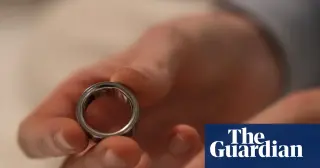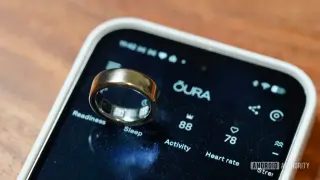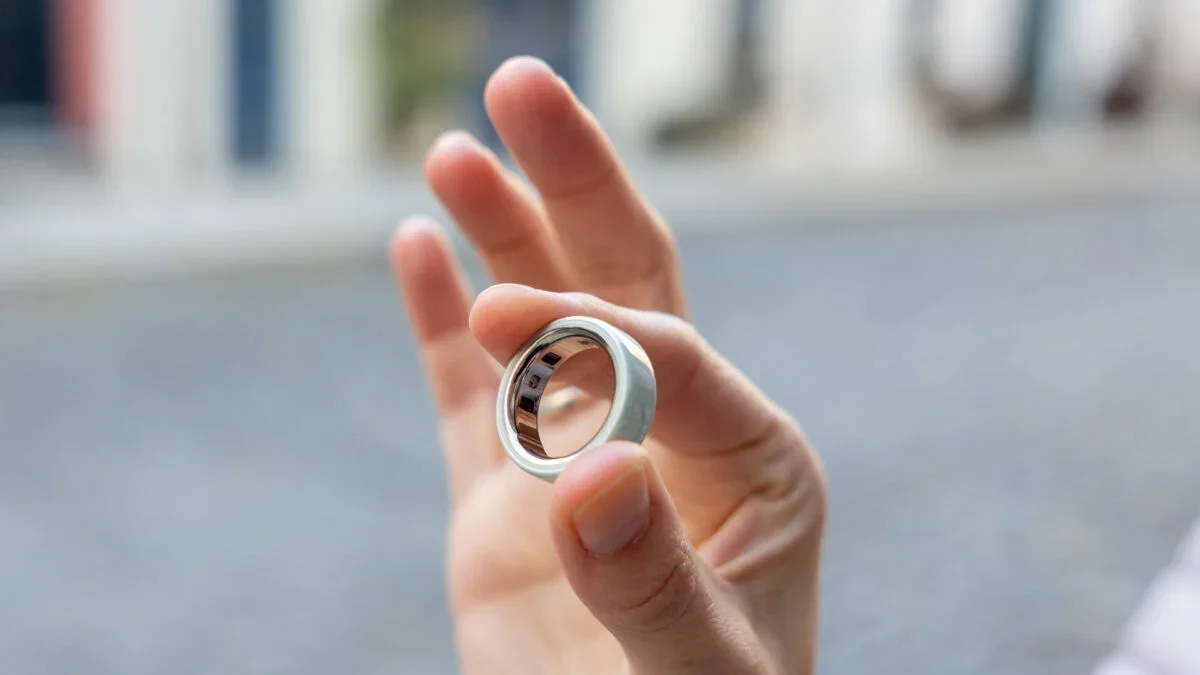
A San Francisco class-action alleges Oura’s $300 ring misleads consumers about its ability to track sleep and identify sleep stages, arguing that finger-based data and AI estimates cannot match clinical sleep studies. The suit cites claimed accuracies of 79% and 95% for sleep-staging and seeks injunctions plus restitution for buyers; Oura has not commented.
A California proposed class action accuses Oura of overstating the accuracy of its sleep-tracking, arguing the sleep-stage results rely on AI estimates based on finger signals rather than clinical sleep-staging sensors and that some results have little more than a coin flip’s chance of being correct. The suit cites a 2025 study showing 53.18% sleep-stage accuracy, contrasts with Oura’s prior 79% and 95% claims, and seeks to stop the misleading claims and restitution for affected customers, naming Oura Ring 5, Ring 4, and Ring 4 Ceramic.
A California class-action alleges Oura Ring overstated its ability to measure sleep quality and stages, arguing that sleep occurs in the brain and cannot be accurately read from a finger sensor; the suit seeks to halt alleged deceptive advertising and restitution for buyers who paid hundreds for the device, while Oura defends its methodology and cites supporting studies, highlighting ongoing scrutiny of wearable sleep trackers in a multibillion-dollar market.
Oura unveils Ring 5, the smallest smart ring yet—40% smaller than Ring 4 with longer battery life and a 2.28mm profile—focused on sleep, stress, readiness and heart health; priced from £399 and shipping June 4 with a £5.99/month subscription. Ahead of an IPO later this year, Oura has about 5 million paying subscribers, $1 billion in revenue in 2025, and an $11 billion valuation, with expanded software features like health radar and GLP-1 tracking alongside widespread sports and health partnerships.
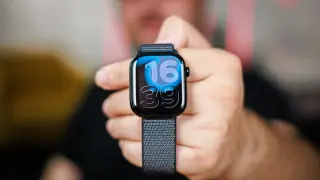
Apple’s 11-year-old Watch is losing momentum as rivals Whoop, Oura, and Google-backed Fitbit Air push screenless health tracking focused on recovery and sleep. Leadership churn at Apple—retirements and exits across health, hardware, and marketing—amid a push to simplify Health and pursue AI-driven services. Oura’s confidential IPO filing signals competitive pressure, while Apple’s Health app remains cluttered and less actionable. watchOS 27 will be incremental, with heart-rate improvements and AI features drifting into iOS 27 more broadly, and a glucose-monitoring project—once a Jobs-era ambition—still progress-laden. The market is expanding beyond wrists toward glasses and other devices, pressuring Apple to decide whether to lead a screenless, AI-powered health era or risk falling behind.
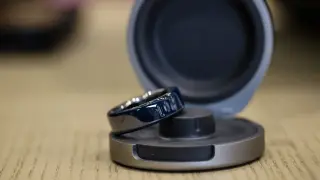
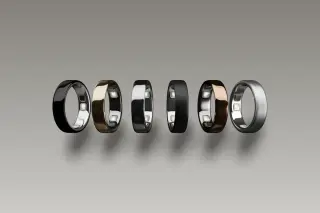
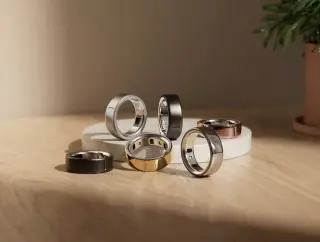
Renders allegedly from Android Headlines show the Oura Ring 5 with a new ‘deep rose’ color (replacing rose gold) alongside black, silver, and gold options, plus a matte ‘stealth’ black variant. The design appears slightly rounder with a sharper curve, the charging case and pedestal look unchanged, and battery life staying in the 5–8 day range. Potential new features may come from Oura’s Doublepoint gesture-recognition startup, hinting at future AI-driven interactions.
Smart rings are becoming mainstream, with a projected 49% increase in shipments in 2025, offering discreet health and activity tracking with longer battery life and more accurate readings than smartwatches. Leading brands like Oura, Ultrahuman, RingConn, and Samsung are innovating with features like sleep analysis, bloodwork integration, and AI insights, making smart rings a popular choice for continuous health monitoring. Oura remains a top contender due to its accuracy and design, as the category continues to grow and diversify.
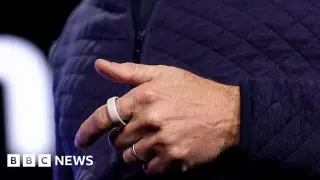
Oura, a popular sleep-tracking ring favored by celebrities and CEOs, aims to stay ahead of competitors like Apple and Google by expanding device connectivity, leveraging smartphone integration, and enhancing software with AI. Despite rising competition and the high cost of its device, Oura emphasizes trust, independence, and innovative partnerships to maintain its market position and explore new health monitoring possibilities, including integration with medical data and personalized health insights.
Oura is launching a redesigned app with new stress-tracking features, including a weekly Cumulative Stress overview, and is collaborating with the FDA on a blood pressure study to develop early hypertension detection tools, aiming to enhance health insights for users.
Finnish health tech company Oura has raised $900 million in funding led by Fidelity, valuing it at approximately $11 billion. The company plans to use the funds for AI, product innovation, and global expansion, with recent sales surpassing 5.5 million rings and revenue expected to exceed $1 billion in 2024. Oura is also expanding into health testing services and targeting new demographics, including young women.
Oura has launched Symptom Radar, a feature for its smart rings that flags early signs of respiratory illness by analyzing metrics like heart rate and temperature trends. While not diagnostic, it serves as an "illness warning light" to encourage precautionary measures. Initially introduced in beta, the feature is now available for Oura Ring Gen 3 and 4 users, offering insights into health trends and recovery from illnesses.
Oura, the smart ring maker, has secured a $75 million investment from glucose monitoring device firm Dexcom, raising its valuation to over $5 billion. This partnership will integrate Oura's rings with Dexcom's glucose monitoring technology, allowing users to track blood sugar levels and make informed health decisions. The first app integration is expected by mid-2025. Oura, which has sold 2.5 million rings, anticipates doubling its sales in 2024. This collaboration positions Oura and Dexcom against competitors like Apple, which is also exploring noninvasive glucose monitoring solutions.
Oura smart rings will soon offer enhanced blood sugar monitoring capabilities through a partnership with Dexcom, the maker of the first over-the-counter continuous glucose monitor in the U.S. This collaboration aims to integrate Oura's health data with Dexcom's glucose insights, providing users with a comprehensive view of their health. The first app integration is expected by mid-2025, and Dexcom is investing $75 million in Oura's Series D funding. This partnership will allow users to make informed lifestyle choices based on their glucose levels and other health metrics.
Oura, a pioneer in the smart ring market, is planning an international expansion and exploring new features, including nutrition tracking and AI integration. CEO Tom Hale emphasized Oura's focus on health and science, distinguishing it from competitors like Samsung. The company is also seeking FDA approval for diagnostic use and is testing a new AI product, Oura Advisor. Despite competition, Oura's business has strengthened, with nearly 2 million subscribers to its $5.99 monthly service. Oura is also considering new hardware products beyond its current smart rings.
Oura CEO Tom Hale expressed skepticism about Apple entering the smart ring market, suggesting that Apple is unlikely to introduce a ring product due to its successful Apple Watch and AirPods lines. Hale believes Apple is cautious about undercutting its own products and notes the complexity of creating a smart ring. Despite this, he acknowledges Apple's capability to develop a competitor if desired, but sees no immediate reason for Apple to pursue this product category.