
Hassett Urges Powell to Step Aside as Fed Leadership Tensions Persist
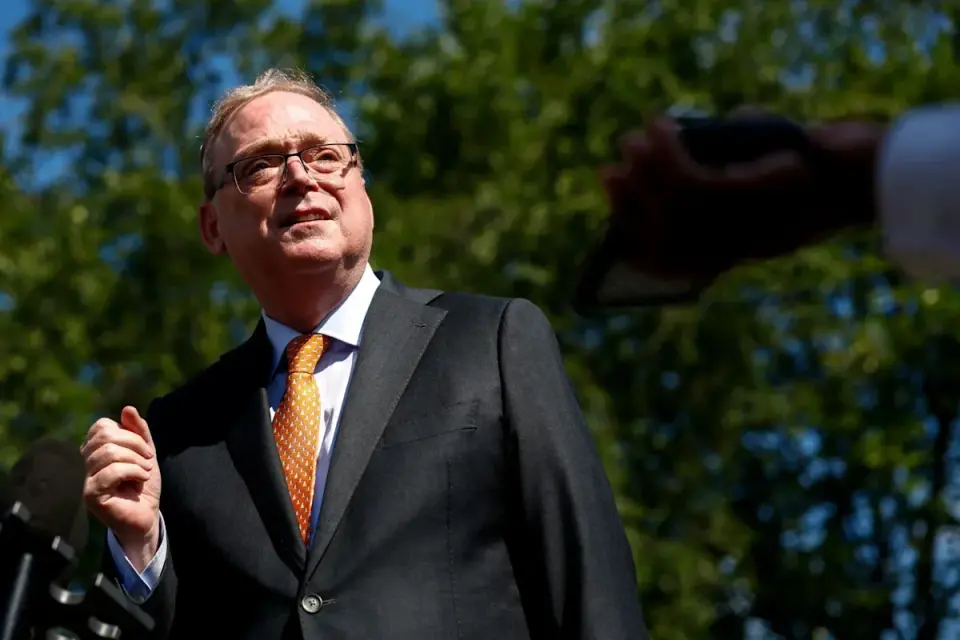
Kevin Hassett, a senior aide to President Donald Trump, has publicly called for Federal Reserve Chair Jerome Powell to leave the central bank’s board. This statement follows recent friction between the White House and the Fed regarding interest rate decisions and the independence of the central bank. The comment signals continued political pressure on the Fed’s leadership despite recent internal shifts within the institution.
Key points
- Kevin Hassett stated that Jerome Powell should 'move on' from the Federal Reserve board, according to Yahoo Finance.
- The remark comes amid ongoing tensions between the Trump administration and the Fed over monetary policy and central bank independence.
- Recent events include a 25-basis-point rate hike, the first in three years, which drew criticism from the White House.
- Former Fed governor Kevin Warsh, now a board member, has been highlighted as a potential influence on future policy, with speculation about a shift away from Powell.
- A recent Federal Reserve inspector general report cleared Powell of criminal misconduct in a headquarters renovation project but criticized the board for cost overruns, which Trump rejected.
Background
In late September 2026, the Federal Reserve raised interest rates by 25 basis points, its first hike in three years. President Trump criticized the decision but publicly supported former Fed chair Kevin Warsh, suggesting potential influence over the board. Shortly after, a Federal Reserve inspector general report cleared Powell of wrongdoing in a $2.4 billion renovation project but faulted the board for poor cost control. Trump rejected the findings and demanded Powell’s resignation, while Warsh accepted the report’s recommendations. These events have intensified debates over central bank independence and the political dynamics surrounding Fed leadership.
Why it matters
The call for Powell to leave the Fed board underscores the escalating political pressure on the central bank’s leadership. Such pressure could impact market confidence in the Fed’s independence, potentially affecting interest rate policy and broader economic stability. The ongoing tension between the White House and the Fed may influence future monetary decisions and the appointment of key financial officials.
What to watch
The Federal Reserve is expected to continue its monetary policy decisions amid political scrutiny. The outcome of the inspector general’s recommendations and any potential shifts in Fed leadership could influence future interest rate policies. Market participants will monitor for signs of political influence on the Fed’s independence and any changes in leadership that could affect monetary policy direction.
Want the full story? Read the original reporting
Read on finance.yahoo.com