
Class Action Sues Oura Over Alleged False Sleep-Tracking Claims
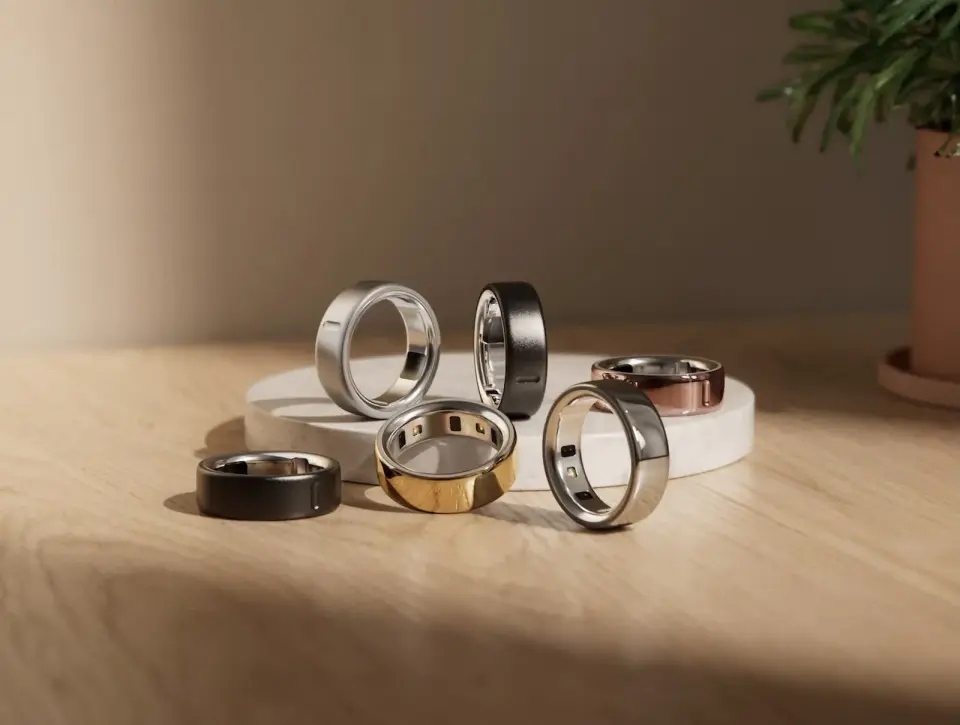
A proposed class action lawsuit filed in San Francisco alleges that Oura Ring falsely advertises its ability to accurately measure sleep stages. The complaint claims the device relies on AI estimates from finger sensors rather than clinical-grade brain and eye measurements, potentially misleading consumers who use the data for health decisions.
Key points
- A proposed class action lawsuit filed by Clarkson Law Firm in San Francisco alleges Oura Ring falsely advertises its sleep-tracking capabilities.
- The complaint claims Oura’s AI-generated sleep estimates are no better than a coin flip, as the device lacks the scalp electrodes and eye sensors required for clinical sleep staging.
- Oura markets its rings as having 95% sleep-staging accuracy compared to clinical labs, but the lawsuit argues this is misleading since sleep occurs in the brain, not on the finger.
- The lawsuit seeks to halt Oura’s alleged deceptive advertising and seeks restitution for consumers who purchased the rings based on these claims.
- Oura disputes the allegations, stating its methodology is validated by peer-reviewed studies and that its ring estimates sleep stages using multiple physiological signals.
Background
This lawsuit follows years of online complaints from Oura users questioning the accuracy of the ring’s sleep reports. Some users reported that the device logged a strong night of sleep when they felt exhausted, while others questioned its ability to identify REM and deep sleep. The Oura Ring 5, priced at $399, is the latest iteration of the device, which has been a popular choice for health-focused users. The lawsuit also joins a broader debate on the value of wearable devices to track human health, with some research suggesting that wearables can cause stress and anxiety for some users who put too much stock in the readings.
How outlets are covering it
TechSpot and CNET both report on the lawsuit, emphasizing the allegations that Oura’s sleep-tracking claims are misleading and that the device relies on AI-generated estimates rather than clinical-grade measurements. USA Today provides additional context, noting that the lawsuit joins a broader debate on the value of wearable devices to track human health, and that some research suggests wearables can cause stress and anxiety for some users. Sleep Review, on the other hand, focuses on the potential of wearables to improve sleep research and public health, highlighting the value of continuous monitoring and the development of new metrics like the Sleep Regularity Index. Oura, in response to the lawsuit, disputes the allegations and states that its methodology is validated by peer-reviewed studies and that its ring estimates sleep stages using multiple physiological signals.
Why it matters
The lawsuit could have significant implications for the wearable technology industry, as it raises questions about the accuracy and reliability of consumer health devices. If the lawsuit is successful, it could lead to changes in how companies market and advertise their products, and could potentially result in restitution for consumers who purchased the rings based on the alleged misleading claims. The lawsuit also highlights the ongoing debate about the value of wearable devices to track human health, and the need for more research to validate the accuracy and reliability of these devices.
What to watch
The next steps in the lawsuit will depend on the court’s decision on whether to grant class-action status and whether to allow the case to proceed to trial. If the case proceeds, it could result in a settlement or a trial, which could have significant implications for the wearable technology industry. Oura has stated that it intends to defend against the allegations, and it is unclear how the company will respond to the lawsuit in the coming weeks and months.
- Oura is facing a lawsuit over whether its $300 ring can actually track sleep TechSpot
- Oura Faces Lawsuit Over Alleged Inaccurate AI Sleep Tracking CNET
- Oura ring doesn't accurately measure sleep quality, lawsuit says USA Today
- Oura Ring Is Heading Toward an IPO. Now a Lawsuit Targets One of Its Biggest Selling Points inc.com
- How Wearables Are Updating Our Understanding of Sleep Sleep Review
Want the full story? Read the original reporting
Read on TechSpot