
Second Wave of Cyberattacks Spoils Millions in European Food as Freezers Heat to 50C
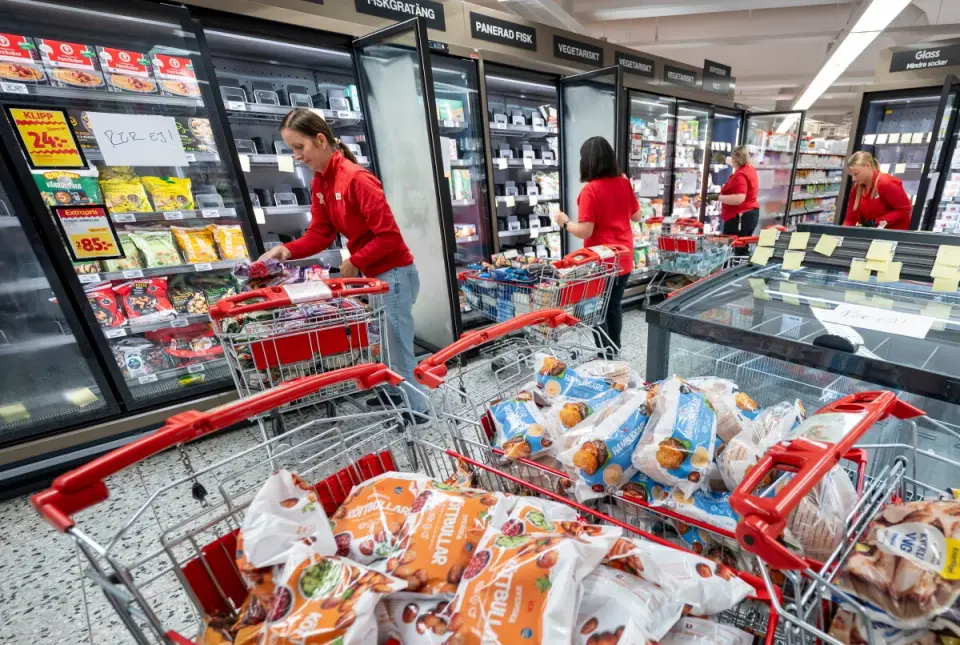
A second wave of cyberattacks has targeted refrigeration systems in at least 11 European countries, causing freezers to heat to 50 degrees Celsius and spoiling millions of euros worth of food. The attacks exploit legacy hardware from manufacturers like Danfoss and Copeland, which are connected to the internet with default passwords. While no group has claimed responsibility, experts warn that these incidents highlight critical vulnerabilities in industrial internet of things devices. The European Union is coordinating a response, emphasizing that these are not isolated incidents but part of a broader risk to essential services.
Key points
- Attacks hit supermarkets in Belgium, Sweden, Germany, Romania, and nine other European nations on November 1-2, 2026.
- Hijacked defrost cycles caused temperatures to spike to 50C, destroying food before staff could intervene.
- Vulnerabilities stem from outdated remote control modules by Danfoss and Copeland, often left with default passwords.
- No evidence suggests AI or state actors were involved; the attacks exploit known, long-standing technical debt.
- The EU and national authorities are urging retailers to disconnect vulnerable systems from the public internet immediately.
Background
This incident follows a major cyberattack in October 2026 that targeted hundreds of French supermarkets, causing similar temperature spikes and food losses. That initial wave, which affected chains like Intermarché and Coopérative U, prompted investigations by Paris prosecutors and highlighted the risks of legacy refrigeration software. The current events represent a broader, multi-country escalation of that same threat vector.
How outlets are covering it
Outlets differ on the scope and nature of the threat. AP and BBC report the attacks affected at least 10 to 11 countries, with BBC noting the EU’s concern over a deliberate disruption of the food supply chain. Al Jazeera highlights a Romanian official’s view that the attacks appear 'semi-amateurish' and not state-sponsored, contrasting with the EU’s call for collective resilience. Scientific American provides a technical perspective, explaining that hackers hijacked defrost cycles in connected units, a method that is more destructive than simple power cuts. While AP and BBC focus on the immediate economic impact and lack of attribution, Scientific American notes that a security advisory for the specific vulnerability existed since May 2025, suggesting the issue is one of neglected maintenance rather than a novel exploit.
Why it matters
These attacks expose the fragility of critical infrastructure reliant on outdated, internet-connected industrial devices. As retailers prioritize digital transformation in other areas, legacy systems like refrigeration controls remain exposed to basic cyber hygiene failures. The resulting food waste and supply chain disruptions demonstrate that physical world consequences can stem from simple, unpatched software flaws, posing a significant risk to food security and economic stability across Europe.
What to watch
Retailers are expected to accelerate upgrades to modern, secure networks, such as moving from 4G to 5G modems, as seen with Swedish chain Coop. Cybersecurity firms are urging businesses to isolate vulnerable controllers from the public internet immediately. National authorities, including the UK’s National Cyber Security Centre, are continuing to monitor and alert organizations with exposed technology, while the EU coordinates a joint response to prevent further isolated incidents from becoming a systemic crisis.
- European supermarket fridges got hacked. Again. Here’s what to know AP News
- Europe on alert after supermarket freezers hit by cyber-attacks in 10 countries BBC
- EU urges action as Germany, Romania and UK report supermarket cyberattacks Al Jazeera
- Supermarket fridge attack is just the start, says UK cybersecurity chief Reuters
- How hackers are turning grocery store freezers into heaters Scientific American
Want the full story? Read the original reporting
Read on AP News