
Oura files for Nasdaq listing as competitors eye its market lead
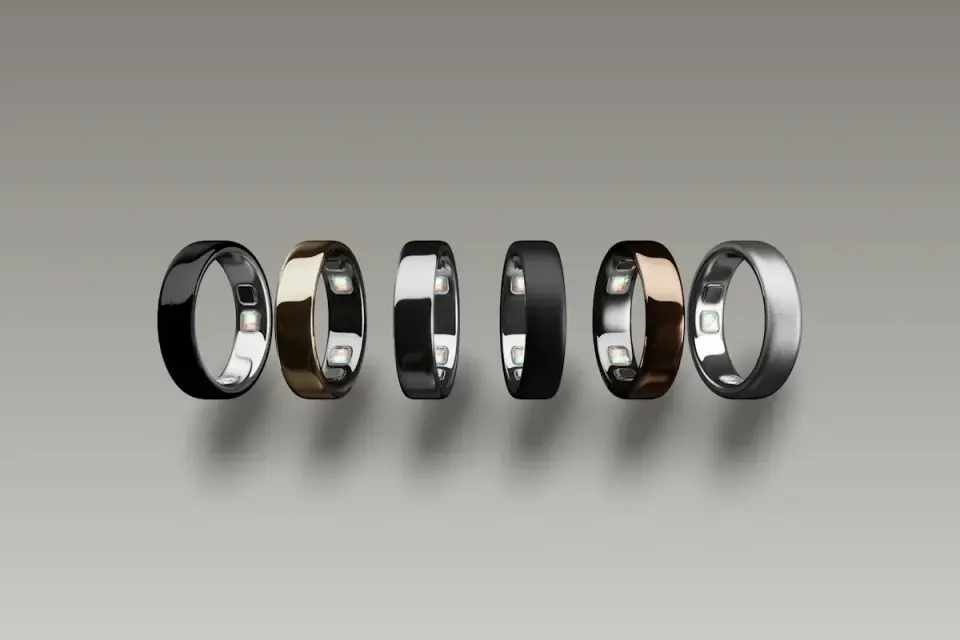
Oura has filed to list on the Nasdaq, aiming for a valuation exceeding $11 billion. The Finnish-founded company reported $1.21 billion in revenue for the first nine months of 2026, driven by a 74% year-on-year increase. Its subscription model, which now serves 5 million users with 89% gross margins, is a key driver for investors. While the company recently turned a profit, it faces legal challenges regarding the accuracy of its sleep-tracking features.
Key points
- Oura filed for an immediate listing on the Nasdaq, with a potential valuation surpassing its previous $11 billion mark from a 2025 funding round.
- Revenue reached $1.21 billion in the nine months ending June 2026, a 74% increase from the prior year, with hardware accounting for roughly 80% of sales.
- The subscription segment generated $240.5 million, growing 121% year-on-year, and boasts 89% gross margins with 5 million active users.
- The company achieved its first annual profit in 2025 and recorded a $60.8 million profit in the first nine months of 2026.
- The latest product, Oura Ring 5, launched in May at $399 and is 40% smaller than its predecessor, tracking over 50 health metrics.
Background
Oura's move to go public follows a period of intense scrutiny. In August 2026, a class-action lawsuit was filed in California alleging that Oura's sleep-tracking claims are misleading, as the device relies on AI estimates rather than clinical sensors. Previous coverage in September 2026 confirmed the filing and highlighted the company's rapid growth in both hardware sales and subscription revenue. The IPO filing marks a significant milestone for a company that has become a cultural staple among celebrities and health enthusiasts.
How outlets are covering it
The Guardian emphasizes the financial strength of Oura's subscription model and its high margins, noting the demographic skew toward women and the celebrity endorsements that have boosted brand visibility. Yahoo Finance frames the story around competitive pressure, suggesting that while Oura is going public, other smart ring companies are actively challenging its market dominance. The sources agree on the core financial figures but differ in focus: The Guardian highlights the business model's sustainability, while Yahoo Finance points to the emerging threat from rivals.
Why it matters
Oura's IPO signals a maturing market for consumer health wearables, moving beyond simple fitness tracking to comprehensive biometric monitoring. The success of its subscription model suggests a shift in how health data is monetized, potentially influencing competitors and healthcare providers. However, the ongoing legal challenges regarding data accuracy could impact consumer trust and regulatory scrutiny of wearable health devices.
What to watch
Investors will watch the Nasdaq listing closely, as it will determine the market's valuation of Oura's growth trajectory. The outcome of the class-action lawsuit regarding sleep-tracking accuracy may also influence public perception and regulatory responses. Competitors in the smart ring space are expected to accelerate their product launches and marketing efforts to capture market share from Oura.
- Oura is going public, but these smart ring companies are coming for its crown Yahoo Finance
- How Oura’s rings found their way onto millions of fingers The Economist
- Health-tracking smart ring maker Oura to list on US stock market The Guardian
- Smart ring maker Oura reveals revenue surge in US IPO filing Reuters
- Oura Revenue Surges as Smart-Ring Company Looks to Go Public. Apple Is a Risk. Barron's
Want the full story? Read the original reporting
Read on Yahoo Finance