Tag

Health Tech

All articles tagged with #health tech

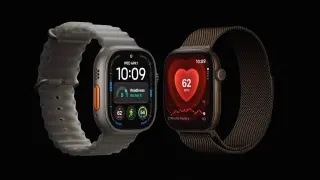
Apple Watch Ultra 4: Slimmer Design, Touch ID and AI Health Upgrades
technology-news1 day ago

Apple Watch Ultra 4: Slimmer Design, Touch ID and AI Health Upgrades

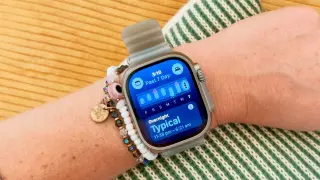
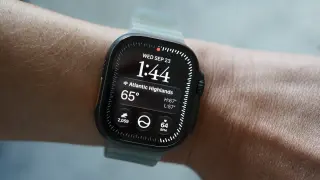
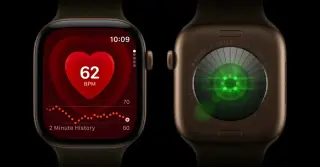
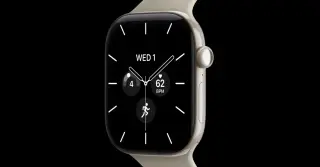
Rumors suggest the Apple Watch Ultra 4 will adopt a slimmer titanium body with rugged durability, possibly add Touch ID, and feature an upgraded health sensor suite with hypertension alerts, a brighter LTPO3 display up to 3,000 nits, extended battery life (about 42 hours standard, 72 hours in low-power mode) and fast charging, all paired with AI-powered enhancements in watchOS 27.

Two Months in an EMS Suit: Can Electrified Workouts Really Boost Fitness?
technology12 days ago

Two Months in an EMS Suit: Can Electrified Workouts Really Boost Fitness?

A WIRED writer tested Pepper’s at‑home full‑body EMS suit for two months (three workouts weekly plus regular training). Pepper touts 20 minutes of EMS as equivalent to an hour of traditional training, and research shows mixed but generally positive signals for muscle mass and strength when combined with standard workouts. After the trial, the author reported about 11,000 total EMS calories burned, ~2.7 lb of muscle gained, ~1.6 lb of fat lost, and modest overall toning, with the waist unchanged; he also noted improved arm definition and occasional soreness. The experience included glitches (app failures, battery/connectors) and intense, sweat‑dependent shocks. Experts say EMS can supplement but not replace traditional strength training. The author plans to continue with fewer sessions.

A $7B AI Drive to Automate Health Care—and the Controversial Referral Payments Behind It
technology13 days ago

A $7B AI Drive to Automate Health Care—and the Controversial Referral Payments Behind It

A STAT investigation examines Commure, a $7 billion health-tech startup aiming to automate medical administration with AI, while paying clinics and others substantial referral fees to win business, prompting questions about incentives, patient costs, and how to evaluate AI tools in health care despite broad adoption by major systems.

Could Apple go circular? A smart ring looks likelier
technology16 days ago

Could Apple go circular? A smart ring looks likelier

A Bloomberg report suggests Apple may explore a round Apple Watch, but the author argues a smart ring is more likely. While a round design appeals aesthetically and mirrors many traditional watches, rectangular screens maximize information density, a key utility argument for Apple. For health-focused users who don’t need to constantly view data, a smart ring (like the Oura Ring) is a smarter alternative, a view the author supports with personal experience and notes that Gurman and Eddy Cue allegedly share this sentiment.

Tiny Tools, Big Utility: 15 Must-Have Mini Gadgets for Everyday Carry
technology16 days ago

Tiny Tools, Big Utility: 15 Must-Have Mini Gadgets for Everyday Carry

A curated roundup of 15 ultra-compact gadgets—from a high-lumen flashlight and a flame-free plasma lighter to a loud personal safety alarm, mini action camera, pocket ECG card, security key, clip-on book light, and reusable smart notebook—each chosen for real-world usefulness, travel-friendliness, and strong user reviews, with prices ranging from under $10 to several hundred and features like USB-C charging, waterproofing, and companion apps.

AI-powered remote care slashes COPD and asthma hospitalizations
technology25 days ago

AI-powered remote care slashes COPD and asthma hospitalizations

Intermountain Health and CareCentra’s iCARE program monitored about 1,200 COPD and adult asthma patients across five Utah hospitals over two years using an AI-enabled platform fed by spirometers, pulse oximeters, connected inhaler devices, and wearables. The system detects early deterioration, nudges patients, and escalates to pulmonary navigators, cutting hospitalizations by 50%, emergency visits by 20%, and total care costs by 57% while increasing navigator capacity from roughly 30 to about 220 patients. Results were shared at the ATS 2026 conference, with plans to scale the technology across 34 hospitals.

Epic’s Leadership Shake-Up Sparks Discussion of a Health-Tech Exodus
health-tech1 month ago

Epic’s Leadership Shake-Up Sparks Discussion of a Health-Tech Exodus

STAT reports a leadership exodus at Epic, highlighted by Sumit Rana’s departure and other executive exits, fueling questions about the company’s direction amid health-tech talent churn; the issue also covers LifeMD’s GLP-1 telehealth controversy, Nabla naming a new CEO as AI competition intensifies, notable hires across Aledade and TytoCare, and a broader health-tech funding and policy roundup.

Oura Ring 5 Review: Slimmer Fit, Strong Sleep Data, Pricier Upgrade
technology1 month ago

Oura Ring 5 Review: Slimmer Fit, Strong Sleep Data, Pricier Upgrade

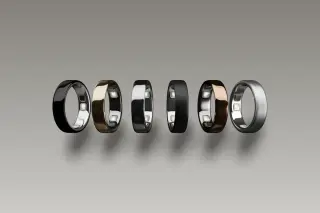
The Oura Ring 5 is 40% smaller than the Ring 4, delivering a more comfortable design and up to 9 days of battery life, plus solid sleep tracking and illness monitoring (Symptom Radar). It remains strongest for newcomers to the brand, but automatic workout tracking can be imperfect outdoors, and full features require an Oura membership (about $5.99/month or $69.99/year). Priced at $399, it’s a standout choice for new buyers and health-focused users, though Ring 4 owners can likely skip the upgrade unless they want the sleeker fit or a sale price.

Oura Ring 5: slimmer update, but upgrading isn’t essential
tech1 month ago

Oura Ring 5: slimmer update, but upgrading isn’t essential

The Verge’s Victoria Song says the Oura Ring 5 is a thinner, lighter Ring 4 with the same sensors, battery life, and software features, making it solid for newcomers but not a must‑upgrade for current Ring 4 users. Sizing is more limited (no sizes 4, 5, 14, or 15; no ceramic option), and the charging case is now a $99 accessory that isn’t backward/forward‑compatible. It also adds several software updates—GLP‑1 Insights, Health Radar, medical lab imports, data deletion, improved live activity tracking, and an AI doctor chatbot—which can feel cluttered and contribute to data fatigue. Still, at $399 and with a $6/month subscription, Oura remains the best smart ring for a simple health tracker, just not a dramatic leap over its predecessor.

FDA backs off enforcement on Whoop’s blood pressure reading after updates
health-tech2 months ago

FDA backs off enforcement on Whoop’s blood pressure reading after updates

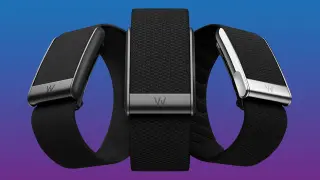
The FDA told wearable maker Whoop it would not pursue further enforcement action over its Blood Pressure Insights feature after tweaks; the agency had previously warned in 2025 that the reading constituted a medical device requiring clearance, a stance Whoop disputed by labeling the feature wellness-focused. Experts warn that even with these tweaks, the updated wellness guidance remains ambiguous and could pose risks to users.

The Oura Ring: Sleep Data as Insight, Not Verdict
health-and-wellness2 months ago

The Oura Ring: Sleep Data as Insight, Not Verdict

A longtime Oura Ring user found its sleep data unreliable, leading to anxiety and eventual disuse, illustrating that wearables can mislead if overemphasized. Experts say data should complement medical care, not replace it, and consumers should interpret metrics as partial insights. The story also highlights balance: the user still values certain metrics from Apple Watch without relying on it for sleep, suggesting wearables are useful in context but should be taken with caution.

Oura Ring 5 Slashes Size by 40% and Ups Health Capabilities
technology2 months ago

Oura Ring 5 Slashes Size by 40% and Ups Health Capabilities

Oura’s Ring 5 is 40% smaller than Ring 4, thanks to redesigned internals that shrink signal paths from 18 to 12 and boost LEDs for better readings across skin tones. It comes in sizes 6–13 (Ring 4 offered 4–15) and includes a charging case that can keep it powered for about a month. Hardware updates accompany Health Radar, AI-assisted guidance via Counsel Health, GLP-1 Insights, Health Records, and Live Activity on iPhone, among other features. Pre-orders are live with shipping starting June 6; pricing starts at $399 (base), $499 for additional finishes, $99 for the charging case, and a $6/month or $70/year subscription.

Fitbit Air: Early Impressions After 24 Hours
technology3 months ago

Fitbit Air: Early Impressions After 24 Hours

A DC Rainmaker 24-hour peek at the Fitbit Air covers a full unboxing, initial hardware comparisons (to Whoop 5.0/MG, Polar Loop, and Amazfit Helio), and on-wrist shots for both Ray and his wife. The post signals a deeper look once a 24-hour data pass is analyzed in Google Health, including early running and cycling data, with plans to expand the review as more metrics come in.

PMOS reveals the long road to truly personalized health
column3 months ago

PMOS reveals the long road to truly personalized health

Victoria Song argues that renaming PCOS to PMOS reflects a broader hormonal and metabolic condition, and that personalized health tech is not yet capable of reliably addressing chronic illnesses. While wearables and AI promise tailored guidance, PMOS manifests differently across individuals, interacts with insulin resistance and medications, and is influenced by factors like hormonal contraception, making universal personalization elusive. Despite industry optimism, real-world personalization still requires significant self-tracking, medical input, and trial-and-error, highlighting a gap between hype and what current science and healthcare systems can safely deliver.

Fitbit Air hints at May release with colorful, screen-free tracking
wearables4 months ago

Fitbit Air hints at May release with colorful, screen-free tracking

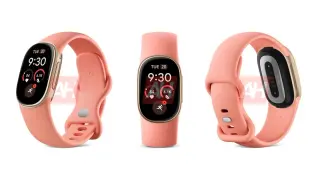
A rumored Fitbit Air, a screen-free fitness tracker aiming to rival Whoop, is expected to launch around May 16 for about $99. It would focus on passive metrics like sleep, heart rate, HRV, and activity without a monthly fee, and would offer multiple color options and bands (Obsidian, Lavender, Berry) as Google continues to push into health wearables.