
Sodium-ion batteries gain traction in storage and cold-weather vehicles despite energy density limits
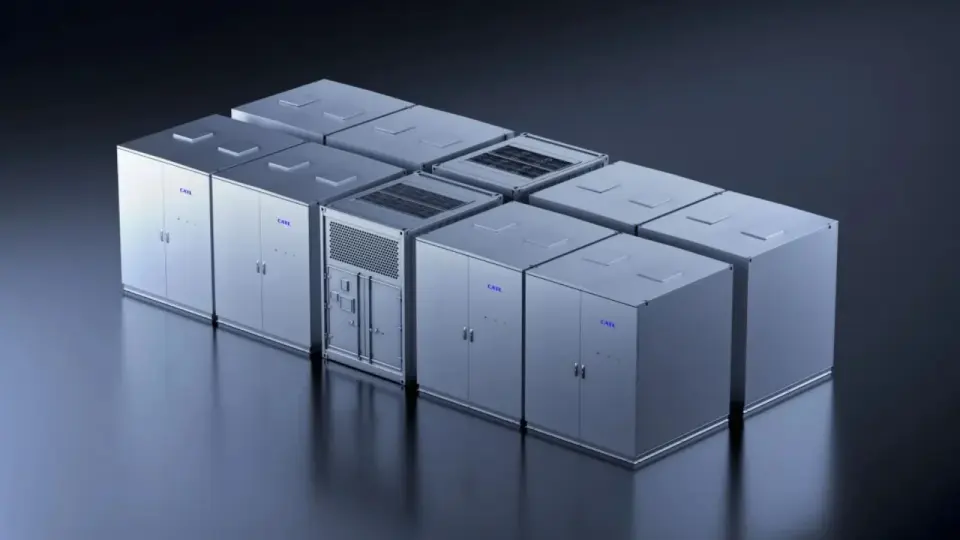
Sodium-ion batteries are moving from experimental to commercial scale, driven by grid storage demand and China’s tax incentives. While they offer superior cold-weather performance and supply chain resilience, they lag behind lithium-ion in energy density, limiting their use in long-range passenger cars.
Key points
- CATL and Changan unveiled the first mass-production passenger vehicle with sodium-ion batteries in February 2026, with sales expected mid-year.
- China exempted sodium-ion batteries from consumption tax through 2028, while imposing a 2-4% tax on lithium-ion batteries starting in 2026.
- Sodium-ion cells retain 90% capacity at -40°C, outperforming lithium iron phosphate (LFP) in cold conditions.
- The global sodium-ion market is projected to grow from $1.26 billion in 2025 to $8.64 billion by 2035.
- Energy storage accounts for nearly 39% of sodium-ion demand, as weight constraints are less critical than in vehicles.
Background
Lithium-ion batteries have dominated the electric vehicle and energy storage sectors for years. However, concerns over lithium supply chain concentration and price volatility have accelerated interest in alternative chemistries. Sodium, being abundant in seawater and common salts, offers a potential solution to these geopolitical and economic risks. Previous archive coverage on battery technology, such as the Harvard study on solar aircraft, highlights the ongoing industry focus on improving energy density, a metric where sodium-ion currently trails lithium-ion.
How outlets are covering it
Interesting Engineering emphasizes the fundamental trade-off: sodium-ion’s abundance and cold-weather resilience versus its lower energy density (175 Wh/kg vs. 205-265 Wh/kg for lithium-ion). CarNewsChina focuses on policy and heavy-duty applications, noting that China’s tax exemption creates a temporary advantage for sodium-ion, though falling lithium prices have narrowed the cost gap. It highlights Hina Battery’s 10 GWh production base in Wuhan and FAW Jiefang’s heavy truck tests. Yahoo Finance and openPR highlight commercial expansion, with Aeson Power showcasing residential and automotive starter batteries in Australia, and DataM Intelligence projecting significant market growth driven by grid-scale storage. While all sources agree on the technology’s viability in stationary storage, they differ on the timeline for automotive adoption, with CarNewsChina stressing that energy density limits remain a barrier for passenger cars.
Why it matters
The shift toward sodium-ion batteries could diversify global energy storage supply chains, reducing reliance on lithium and cobalt. For grid operators, sodium-ion offers a cost-effective, safe alternative for renewable energy integration. For consumers, it may lead to cheaper electric vehicles in cold climates or smaller urban vehicles. However, the technology’s success depends on scaling production and proving consistent performance against established lithium-ion standards.
What to watch
Watch for the mid-2026 launch of CATL’s sodium-ion passenger vehicle and the 2027 start of production at Hina’s Wuhan facility. Monitor the impact of China’s consumption tax on lithium-ion battery costs and the results of utility pilots like the 250 kW sodium-ion storage project in Rajasthan, India. The 2027 implementation of China’s GB/T 48072-2026 safety standard for stationary storage will also be a key milestone.
- Sodium-ion vs. lithium-ion: Tracking the battery race in 2026 Interesting Engineering
- China exempts sodium-ion batteries from tax as Hina targets 10 GWh commerical EV push CarNewsChina.com
- “Lithium batteries taxed, sodium batteries exempt”... Chinese government outlines direction for next-generation battery development 스타뉴스
- Aeson Power Demonstrates the Versatility of Sodium-Ion Technology at All Energy Australia 2026 Yahoo Finance
- Sodium-Ion Battery Market to Reach US$8.64 Billion by 2035 | openPR.com
Want the full story? Read the original reporting
Read on Interesting Engineering