
SpaceX's $2.9B Spectrum Acquisition Triggers Historic Plunge in US Telecom Stocks
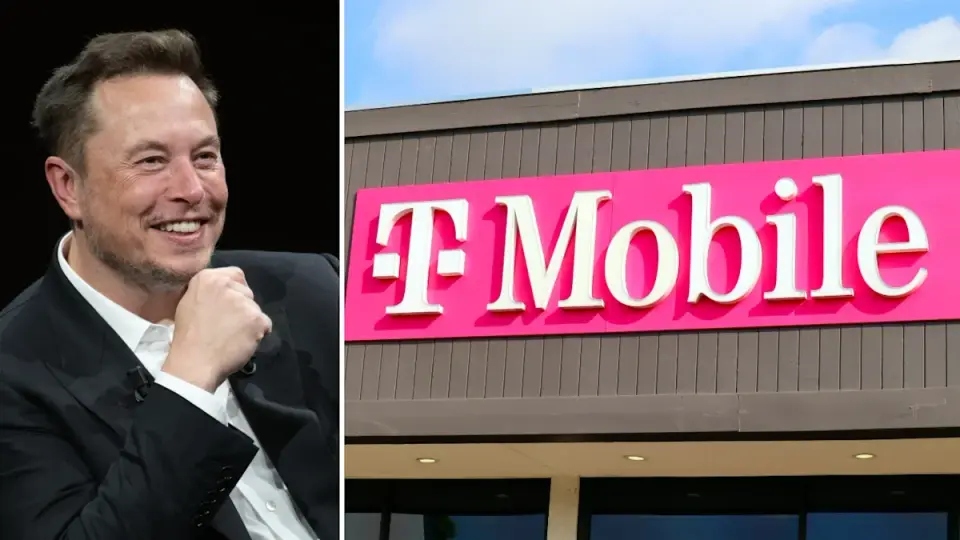
SpaceX has agreed to purchase the 800 MHz spectrum portfolio from Grain Management for $2.9 billion, a deal that triggered a historic sell-off in US telecommunications stocks. T-Mobile, Verizon, and AT&T shares dropped significantly on the news, with T-Mobile falling 13.27% and Verizon hitting its worst day since 2002. The acquisition, which includes up to 14 megahertz of paired spectrum, is expected to enable SpaceX's Starlink Mobile service to provide indoor and outdoor coverage without traditional tower networks. While the deal requires FCC approval, analysts note that the immediate threat to incumbents is limited due to the capital and time required for full deployment.
Key points
- SpaceX agreed to buy the 800 MHz spectrum portfolio from Grain Management for $2.9 billion, a deal that requires FCC approval.
- The acquisition includes up to 14 megahertz of paired spectrum in the 800 MHz band, which penetrates buildings better than higher-frequency satellite signals.
- T-Mobile shares dropped 13.27%, Verizon fell 8.75%, and AT&T declined 9.81%, marking their worst single-day performances in decades.
- FCC Chair Brendan Carr described the increased competition in the spectrum market as 'really good news for American consumers' and noted over $100 billion in spectrum entering the market over two years.
- Analysts from JPMorgan and Evercore ISI acknowledge the long-term credibility of Starlink Mobile but argue that near-term risks to incumbents are limited due to infrastructure requirements.
Background
This development follows a series of regulatory and competitive shifts in the US wireless market. In early October 2026, the FCC approved a major expansion of radio spectrum for satellite internet, unlocking 1,000 megahertz for services like Starlink and exempting satellites from certain environmental reviews. Additionally, in late September 2026, major carriers AT&T, T-Mobile, and Verizon formalized a joint venture to close coverage gaps using satellite technology, a move industry observers suggested was a strategic defense against potential competition from SpaceX and Amazon. The current spectrum acquisition by SpaceX represents a direct challenge to the terrestrial network dominance of these incumbents, leveraging low-band frequencies that complement existing satellite capabilities.
How outlets are covering it
While both Yahoo Finance and CNBC report the same core facts regarding the $2.9 billion deal and the subsequent stock declines, they emphasize different aspects of the market reaction. Yahoo Finance highlights the historical context of the spectrum sale, noting that T-Mobile was required to sell the 800 MHz portfolio as a condition of its 2020 merger with Sprint, and frames the deal as a potential catalyst for a price war led by Elon Musk. CNBC, on the other hand, focuses on the regulatory and analyst perspectives, quoting FCC Chair Brendan Carr’s positive view on competition and citing JPMorgan’s assessment that the near-term risk to incumbents is limited due to the capital intensity of building a competitive terrestrial network. Both outlets agree on the magnitude of the stock drops, with CNBC providing specific historical benchmarks for the declines, such as Verizon’s worst day since 2002.
Why it matters
The potential entry of SpaceX as a major mobile carrier could disrupt the oligopolistic structure of the US wireless market, potentially leading to lower prices and improved coverage for consumers. The acquisition of low-band spectrum allows Starlink to overcome the limitations of satellite-only services, which struggle with indoor penetration. If approved by the FCC, this move could force traditional carriers to accelerate their own infrastructure investments or engage in aggressive pricing strategies to retain customers. The deal also signals a shift in the regulatory landscape, with the FCC actively encouraging competition in the spectrum market, which could have long-term implications for the profitability and market share of established telecom giants.
What to watch
The immediate next step is the review and approval of the spectrum purchase by the Federal Communications Commission (FCC). SpaceX has stated that the addition of low-band spectrum will pave the way for Starlink Mobile to become a major mobile carrier in the US. Investors and industry watchers will be monitoring the pace of SpaceX's network deployment and any potential pricing strategies that could attract customers away from traditional carriers. The outcome of the FCC review will determine whether SpaceX can proceed with its plans to offer reliable service in both indoor and outdoor environments, potentially challenging the dominance of T-Mobile, Verizon, and AT&T in the coming years.
- SpaceX snaps up the 800 MHz spectrum T-Mobile dumped for $2.9 billion — and T-Mobile, Verizon, AT&T stocks are sliding Yahoo Finance
- Elon Musk's SpaceX just made a huge play to challenge the phone industry, and AT&T, T-Mobile, and Verizon stocks are getting crushed Yahoo Finance
- Verizon posts worst day since 2002 as SpaceX U.S. network plans whack cell provider stocks CNBC
- SpaceX’s Wireless Move Trips Up Telecoms WSJ
- Explainer: What is the low-band spectrum that SpaceX acquired for Starlink Mobile Reuters
Want the full story? Read the original reporting
Read on Yahoo Finance