
Starlink’s Profitability and Geopolitical Leverage Cement Its Role as Musk’s Central Asset
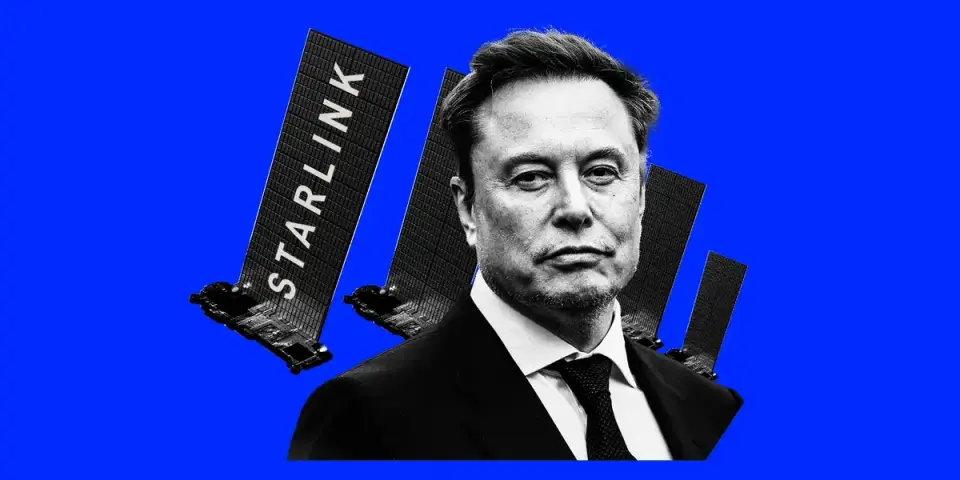
Starlink has become the financial and strategic cornerstone of Elon Musk’s empire, generating over 60% of SpaceX’s $18.6 billion revenue and serving as its only profitable division. With 13 million users in 167 countries, the service offers critical connectivity in remote and conflict zones, particularly in Ukraine, where it provides unhackable military communications. However, this dominance creates a 'Faustian pact' for governments, granting Musk unilateral power to influence geopolitical outcomes, from disabling Russian terminals to potentially cutting off Ukrainian support. While rivals like Amazon struggle to match SpaceX’s launch capacity, Starlink faces challenges in urban density and geopolitical risks, including potential leverage from Musk’s business ties in China.
Key points
- Starlink accounted for over 60% of SpaceX’s $18.6 billion revenue last year and is the only profitable part of the business.
- The service serves 13 million users in 167 countries, providing essential connectivity in remote areas and war zones.
- In Ukraine, Starlink is vital for military communications, but Musk’s control over the network has led to disputes, including a 2023 refusal to assist a Ukrainian assault on Crimea.
- SpaceX plans to launch 100,000 V3 satellites to expand coverage, aiming to become a full mobile carrier competing with AT&T, Verizon, and T-Mobile.
- Geopolitical risks include Musk’s business ties in China, which could complicate Starlink’s adoption in Taiwan, and concerns over the service’s reliability in military contexts.
Background
Starlink’s rise from a side project in 2015 to a central revenue driver reflects SpaceX’s strategic shift. Earlier coverage highlighted tensions between Musk and Ukraine over Starlink’s use in the war, including Musk’s refusal to support certain military operations and subsequent awards from Kyiv. The service’s expansion into new markets, such as Taiwan and India, is complicated by geopolitical sensitivities and Musk’s broader business interests.
Why it matters
Starlink’s dominance reshapes global connectivity and geopolitical power dynamics. Its profitability and critical role in military and civilian communications make it indispensable, yet it grants Musk unprecedented influence over international affairs. This raises concerns about the concentration of power in a single private entity, potentially undermining national sovereignty and creating vulnerabilities in critical infrastructure.
What to watch
SpaceX aims to launch tens of thousands more satellites, including 100,000 V3 units, to expand coverage and compete with traditional telecoms. The company is also exploring new markets, such as Taiwan and India, while addressing geopolitical risks. In the long term, Starlink could become the primary internet provider for AI-driven technologies, including robotaxis and humanoid robots, as Musk predicts it will supply the majority of the world’s internet within a decade.
Want the full story? Read the original reporting
Read on Business Insider