
Starship’s Orbital Debut Triggers Industry Panic as SpaceX Retires Falcon 9 and Dragon
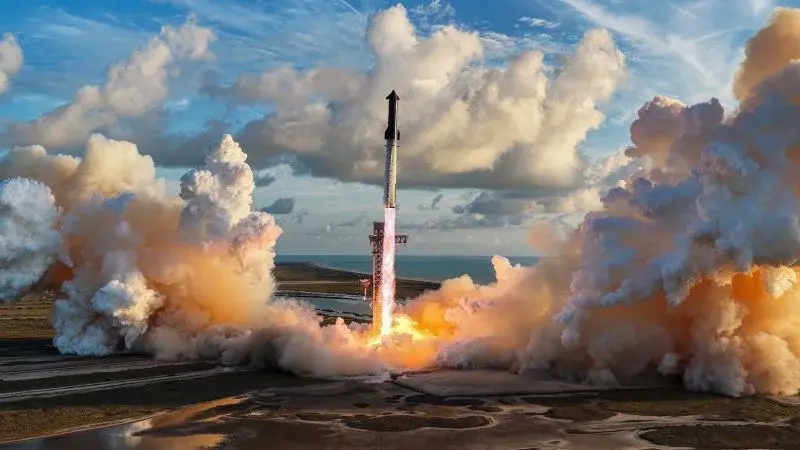
SpaceX’s Starship successfully reached orbit on September 28, deploying Starlink satellites. This milestone accelerates the retirement of Falcon 9 and Dragon, creating a launch supply crisis for commercial operators and leaving NASA reliant on Boeing’s troubled Starliner for crewed flights.
Key points
- Starship’s first orbital flight marks the beginning of the end for Falcon 9 and Dragon, which SpaceX plans to phase out to focus resources on its new megarocket.
- The retirement of Falcon 9 threatens to worsen an existing launch bottleneck, driving up costs and delaying startups that rely on frequent rides to orbit.
- NASA faces a critical gap in crewed spaceflight, as Boeing’s Starliner remains grounded after a 'Type A mishap,' with crewed flights not expected until mid-2028.
- SpaceX’s space segment lost $542 million in its first quarter, while Starlink generated nearly $1.7 billion, justifying the shift toward Starship despite high development costs.
Background
In late September, SpaceX delayed its first orbital Starship flight from September 22 to September 28 due to regulatory and technical checks. The mission, Flight 14, aimed to deploy 26 Starlink V3 satellites. Prior to this, SpaceX stock had slipped due to investor concerns over Starlink economics and share unlocks. The successful launch now shifts the focus from technical validation to the broader industry impact of retiring legacy vehicles.
How outlets are covering it
CNN emphasizes the 'crisis' among small satellite operators who lack backup launch options, noting that launch prices have actually risen over the past decade despite SpaceX’s dominance. Space.com focuses on the technical milestone of Starship reaching orbit and its implications for future missions. Yahoo Finance highlights the market reaction, noting a 2% drop in SpaceX stock post-launch, suggesting investors may be underappreciating the long-term strategic value of the Starship transition despite short-term disruptions.
Why it matters
The retirement of Falcon 9 and Dragon removes the most reliable and frequent launch providers in the world, potentially stalling the development of direct-to-cellular connectivity and space-based AI data centers. For human spaceflight, the gap between Dragon’s retirement and Starliner’s return creates a precarious situation for NASA and future commercial space stations, raising concerns about US competitiveness in low-Earth orbit.
What to watch
Satellite operators are actively seeking alternatives, with some turning to European providers like Arianespace. NASA is funding Boeing to fix Starliner, with an uncrewed test flight planned for December 2026. SpaceX will continue to ramp up Starship flights, potentially offering commercial launch slots in the future, though no timeline has been set. The industry will likely experience a return to longer booking lead times and higher launch costs as supply tightens.
- SpaceX’s megarocket is on the verge of paradigm-shifting success. It’s spurring a ‘crisis’ CNN
- SpaceX launches Starship into orbit for first time ever but cuts mission short Fox Business
- Starship just reached orbit for the 1st time. What's next for the SpaceX megarocket? Space
- SpaceX Stock Falls 2% After Starship's First Orbital Launch: Gene Munster Explains Why Market is 'Underappreciating' the Event Yahoo Finance
- SpaceX's Starship engine failure could impact NASA's moon mission objectives Reuters
Want the full story? Read the original reporting
Read on CNN