
Tech Giants Pledge to Cover AI Power Costs, But Critics Warn of Enforcement Gaps
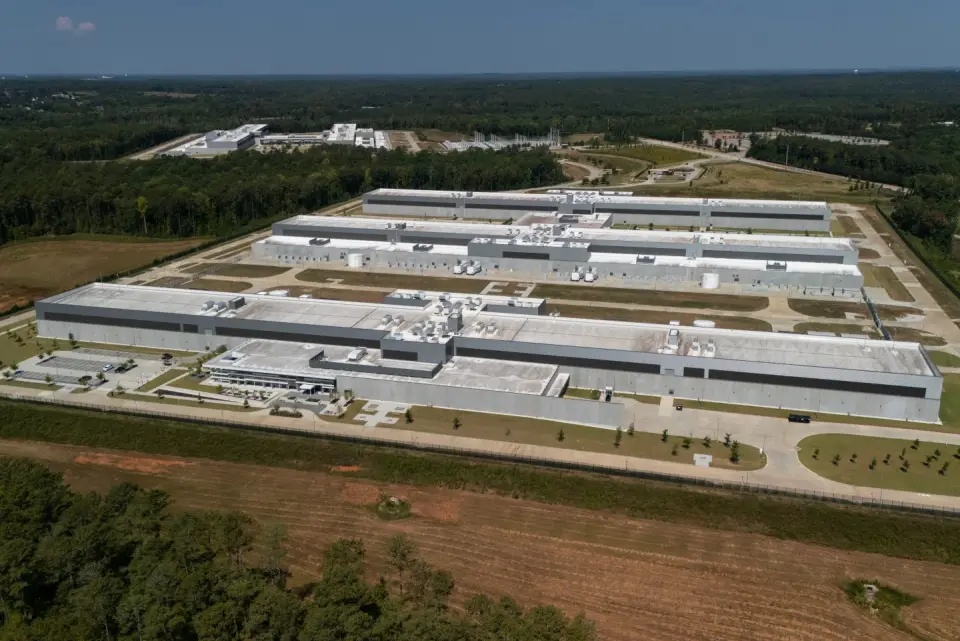
Seven major technology companies signed a voluntary pledge to cover the electricity and grid upgrade costs for their AI data centers, aiming to prevent rate hikes for residential consumers. While the agreement includes a 'take-or-pay' clause to protect utilities from stranded assets, it lacks specific financial commitments and relies on state-level enforcement. Critics argue the voluntary nature of the pledge is insufficient, as state utility commissions remain the primary battleground for cost allocation, and some lawmakers have blocked federal legislation that would have made such protections mandatory.
Key points
- Amazon, Google, Meta, Microsoft, OpenAI, Oracle, and xAI signed the Ratepayer Protection Pledge on March 4, 2026, agreeing to build, bring, or buy power for their data centers.
- The pledge includes a clause requiring signatories to pay for power and infrastructure even if they do not use the electricity, protecting utilities from stranded assets.
- The agreement was expanded in July 2026 to include state governors and utilities, but remains voluntary with no statutory penalties for non-compliance.
- No specific dollar amounts, megawatt targets, or procurement deadlines were included in the pledge, leaving details to state-level negotiations.
- State utility commissions in states like Ohio, Georgia, and Virginia are now the primary venues for enforcing these cost-allocation principles.
Background
This development follows a period of rising electricity costs and public backlash against data center expansion. In August 2026, surging demand from AI infrastructure turned power bills into a political flashpoint globally. In September 2026, a bipartisan Ratepayer Protection Act passed the House but was blocked in the Senate by a lone Democrat who argued it did not go far enough. Additionally, community opposition and grid uncertainty have stalled data center expansion in several U.S. states, with 54% of Americans viewing data centers as harmful to the environment.
How outlets are covering it
RealClearMarkets argues that the proliferation of data centers will naturally drive down electricity prices for all consumers due to economies of scale, suggesting that Ohio gubernatorial candidate Vivek Ramaswamy’s call for free electricity for those near data centers is a politically motivated pivot that nonetheless aligns with market realities. In contrast, shattered.io highlights the voluntary nature of the Ratepayer Protection Pledge, noting that while it addresses the principle of cost allocation, it lacks enforceable federal mechanisms and specific financial commitments. The outlet emphasizes that the real impact will depend on state utility commissions, where enforcement remains uncertain. Yahoo Finance’s coverage, while largely obscured by technical errors in the source, suggests a broader market context where AI infrastructure costs are becoming a significant line item in corporate capital expenditure, influencing investor sentiment and regulatory scrutiny.
Why it matters
The outcome of these negotiations will determine whether residential electricity rates rise due to AI infrastructure or remain stable. If state commissions fail to enforce strict large-load tariffs, ratepayers may subsidize the costs of data centers, leading to political backlash and potential federal legislation. Conversely, successful implementation could set a precedent for cost allocation in other energy-intensive industries, influencing future infrastructure investments and regulatory frameworks.
What to watch
State utility commissions in key data center states will finalize large-load tariffs over the next 12 months, potentially revealing specific dollar and megawatt commitments. Congress may revisit federal legislation if voter frustration over electricity costs persists before the midterms. Additional companies, including colocation and chip infrastructure firms, may join future rounds of the pledge as the framework matures.
- Data Center Proliferation Foretells Rapidly Falling Electricity Prices RealClearMarkets
- AI Data Centers vs. Your Electric Bill: Here's What Congress Is Doing About It Yahoo Finance
- Data Center Boom Raises Issue of Who Pays for Grid, RWE Says Bloomberg.com
- One economist's answer to data center anxiety : The Indicator from Planet Money NPR
- 7 Tech Giants Sign Pledge, Name $0 in Power Costs [2026] shattered.io
Want the full story? Read the original reporting
Read on RealClearMarkets