
Tesla FSD Outperforms Rivian Autonomy+ in Non-Highway Driving Tests
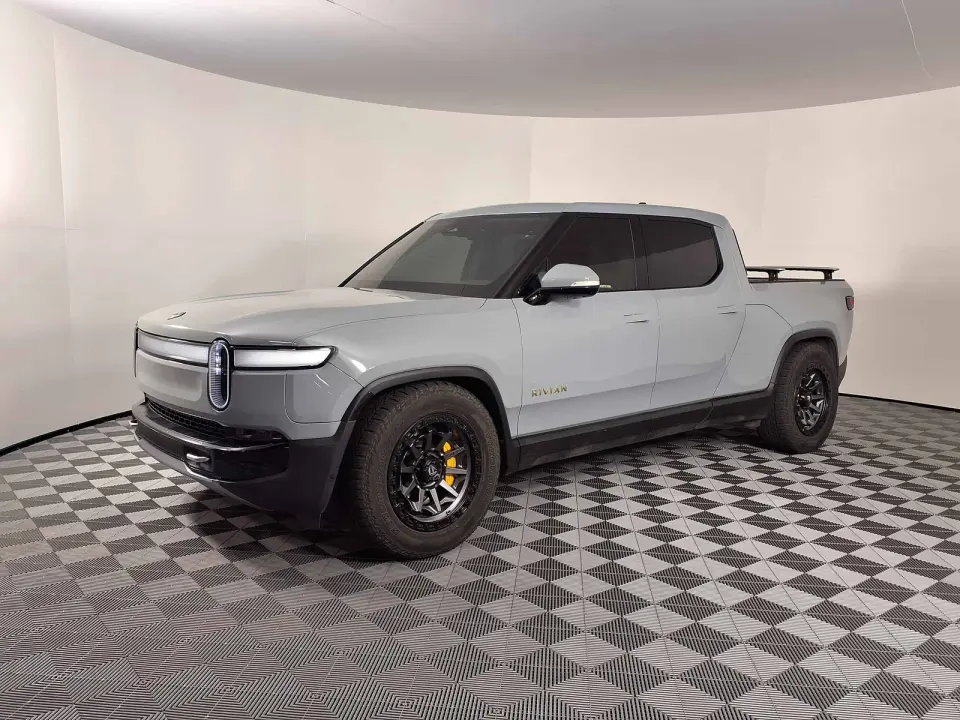
CNBC testing shows Tesla's FSD (Supervised) significantly outperforms Rivian's Autonomy+ in non-highway and point-to-point driving, handling unmarked roads and traffic signals without intervention. Rivian's system requires painted lane lines and driver input for lane changes, though it offers lower pricing. No US system currently allows fully unsupervised driving.
Key points
- Tesla FSD (Supervised) v14 successfully navigated rural and urban roads, including roundabouts and construction zones, for over 200 miles without driver intervention.
- Rivian's Autonomy+ requires painted or dotted lane lines to function and currently cannot perform autonomous lane changes, requiring driver use of the blinker.
- Tesla's system costs $99 per month, while Rivian's Autonomy+ is available for $49.99 per month or a one-time fee of $2,500.
- Rivian plans to introduce point-to-point driving capabilities later in 2026 and is developing lidar technology for future models.
- No US advanced driver-assistance system has received regulatory approval for fully autonomous, unsupervised driving; drivers must remain attentive at all times.
Background
Recent incidents, including a Tesla FSD crash in Issaquah and a fatal collision in Texas, have highlighted safety concerns regarding driver oversight in automated systems. Prior coverage noted that while Rivian's Autonomy+ has improved highway performance, it has historically lagged behind Tesla in city driving capabilities.
How outlets are covering it
24/7 Wall St. emphasizes Tesla's decisive superiority in handling unmarked roads and darkness, noting that Rivian's reliance on painted lane lines is a major drawback. CNBC acknowledges Rivian's progress in highway driving and safety guardrails but confirms it is still 'playing catch-up' to Tesla in non-highway and point-to-point scenarios. Both sources agree that while Tesla leads in capability, no US system is approved for unsupervised driving, and Chinese autonomous vehicles remain excluded from US markets due to tariffs.
Why it matters
The performance gap between Tesla and Rivian highlights the competitive landscape for EV software subscriptions. As automakers seek recurring revenue from ADAS, Tesla's superior non-highway capabilities may influence consumer choice despite higher costs, while Rivian's lower price point and planned lidar integration could help it close the gap in future updates.
What to watch
Rivian expects to launch point-to-point driving capabilities later in 2026 and plans to introduce lidar on its R2 model early next year. Tesla continues to refine its vision-based system, though regulatory scrutiny from the NHTSA remains a factor for both companies.
- Tesla Batters Rivian in Self-Driving Test 24/7 Wall St.
- I drove Tesla FSD, Rivian Autonomy+ ‘hands-free’ driving systems. Here’s how they compare cnbc.com
- Rivian’s Point-to-Point Due in Limited Form This Year, Widely in 2027 eletric-vehicles.com
- CNBC: Rivian Autonomy+ outperforms Super Cruise on the highway but falls short of Tesla FSD in the city UA.NEWS
- Rivian’s Tesla-Style Point-to-Point Driving Coming to Owners This Year Autoblog
Want the full story? Read the original reporting
Read on 24/7 Wall St.