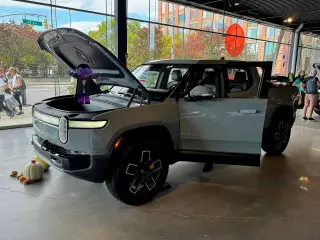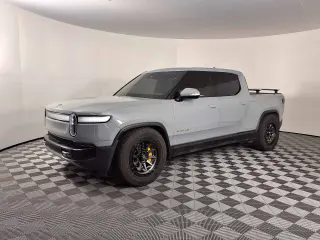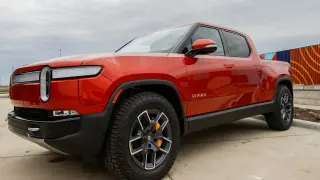
Rivian Automotive secured a major victory in Washington by obtaining the right to sell vehicles directly to consumers, challenging traditional dealership franchise laws and potentially signaling a broader shift in how electric vehicles are marketed and sold in the United States.
Uber will invest $1.25 billion in Rivian through 2031 (with an initial $300 million) to deploy up to 50,000 autonomous Rivian R2 robotaxis, starting with 10,000 in San Francisco and Miami in 2028 and expanding to 25 more cities by 2031; the Rivian fleet will be exclusive to Uber’s app and contingent on hitting autonomy milestones and regulatory approval, as Rivian pursues Level 4 tech (with its own AI chips) that is still largely unproven.
Uber will invest up to $1.25 billion in Rivian to deploy up to 50,000 robotaxis through 2031, starting with a $300 million initial investment after signing and regulatory approval. The deal envisions 10,000 autonomous Rivian R2s, with an option for up to 40,000 more from 2030, rolled out across 25 cities in the U.S., Canada, and Europe, beginning in 2028 with San Francisco and Miami. Uber’s platform would host these robotaxis exclusively in the first markets; Rivian’s tech stack and vertical integration underpin the plan, which follows other mobility investments and signals a push into the anticipated robotaxi market. Licensing fees for the software are part of the agreement.
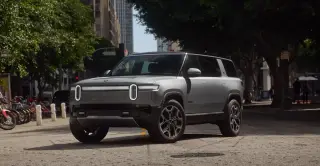
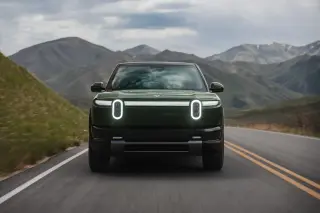
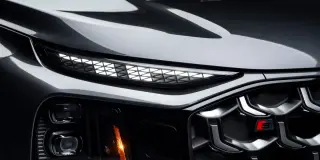
Rivian unveiled the R2, a midsize SUV designed to eventually start under $50k, but initial trims run about $55k–$60k (Launch edition $59,485 and Premium $55,485) with a later $45k version planned. Rivian targets 20,000–25,000 sales this year and has claimed over 100,000 reservations since mid-2024, though no new numbers have been released. Early reviews are positive, but success hinges on ramping production and converting price-sensitive buyers amid stiff EV competition, especially Tesla’s Model Y. A strong R2 could push Rivian toward mass-market status, while a failure could threaten the company.
Rivian unveiled the R2 platform with four trims and pricing aimed to broaden affordability: base around $45,000, long‑range about $48,500, Premium about $54,000, and Performance about $58,000. Deliveries begin in 2026 for the higher trims and 2027 for the Standard models. The move comes amid EV-market headwinds from the loss of a $7,500 tax credit and tariff costs. Analysts project 2026 volumes near 65,000, with long‑term demand potentially exceeding 200,000 vehicles annually; several analysts are cautiously optimistic. Rivian stock fell about 8% after the reveal, though some investors see upside if R2 gains traction against broader market challenges.
Rivian will roll out the R2 this spring starting with the $57,990 Performance trim, featuring two motors, all‑wheel drive, 656 hp, 3.6 seconds 0–60 mph, and over 300 miles of range, plus 21-inch Sport wheels and optional packages. The base R2 Standard won’t hit showrooms until late 2027, while Long Range and Premium variants arrive earlier with prices ranging from about $47,900 to $53,990.
Rivian has priced and detailed trims for the R2, its mass-market mid-size EV SUV: the R2 Performance with Launch Package arrives spring 2026 starting at about $57,990; Premium variants follow, with sub-$50k models coming in 2027–2028 and base R2s around $45k. EPA ranges reach up to ~330 miles depending on trim. All R2s include Autonomy+ hardware with a 60-day free trial, and the Launch Package adds a lifetime Autonomy+ subscription.
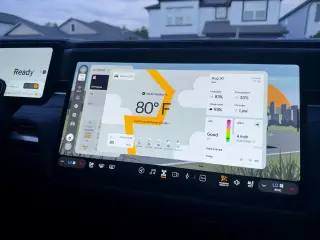
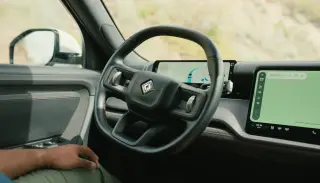
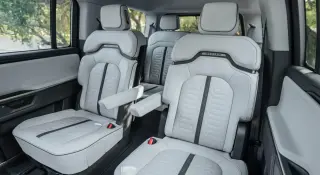
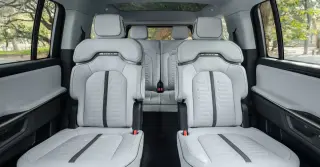
Rivian detailed the R2 SUV's pricing and trim lineup: the Performance starts at $57,990 (delivery extra) with about 330 miles from an 87.9 kWh pack and 656 hp; features include semi-active suspension, a drop-down rear window, birch interior, heated/ventilated fronts, nine-speaker audio, matrix LEDs, and the Halo wheel HMI, with Autonomy+ and a tow package available and included in the launch package; the R2 Premium is $53,990, same range and power but without some suspension modes and with 20-inch wheels; single-motor R2 Standard arrives in 2027 at $48,490 with 345 miles and 350 hp rear-drive; a late-2027 265-mile single-motor variant will cost about $45,000; the R2 uses a rear NACS port, offers 28.7 cu ft of cargo space (up to 79.4 cu ft with seats folded), no Apple CarPlay/Android Auto, and Rivian plans edge-AI/Autonomy+ integration with regular software updates; deliveries begin this spring.
Rivian will begin selling its smaller R2 EV this spring with a $58,000 Launch Edition that offers a 330‑mile range, 656 horsepower and lifetime access to Autonomy+; cheaper variants roll out through 2027, including an entry model around $45,000. The move is designed to drive profitability amid slower EV demand and policy changes, with production anchored in Illinois and a new Georgia plant planned to support up to 400,000 vehicles annually, and a pricing ladder that starts at about $57,990 for Performance, $53,990 for Premium, and $48,490 for the 2027 Standard before a late‑2027 version around $45,000 with 275+ miles of range.
Rivian confirmed the R2 lineup with the first model, the dual-motor Performance, starting at $59,485 and deliveries beginning spring 2026; a Premium trim starts at $55,485 in late 2026, followed by a Long Range Standard at $49,985 arriving early 2027, while the much-anticipated $45k base version is still planned for late 2027 but will cost about $46,495 after destination, meaning many buyers will pay well above the aspirational starting price.
Rivian’s forthcoming R2 pricing and specs were briefly published in a leaked review before the official SXSW reveal, showing a three-trim lineup: Performance from $57,990 with launch package (plus delivery), Premium from $53,990, and a late-2027 entry-level Standard around $45,000; the 87.9 kWh pack delivers up to ~330 miles, with 656 hp and 609 lb-ft in the Performance variant and 29‑minute fast charging to 80%. Production is slated for Normal, Illinois, with Rivian discontinuing entry trims of the R1S/R1T and targeting roughly 62k–67k deliveries this year, of which 20k–25k are R2 units. Leaked color options include Borealis and new shades Catalina Cove, Esker Silver, and Half Moon Grey.
Rivian (RIVN) jumped ~7% after TD Cowen upgraded to Buy, arguing the next US EV demand upcycle may arrive sooner than expected, driven by the upcoming R2 SUV (launching H1 2026 at about $45k) which could lift annual U.S. deliveries well above current estimates and lift 2027 projections; the move comes as Rivian has fallen ~20% YTD, offering an attractive entry, though the broader consensus remains Hold with limited upside.
Morgan Stanley remains cautious on Rivian (RIVN) ahead of the March 12 launch of the R2, maintaining an Underweight rating with a $12 target and citing ramp-up profitability risks, while the broader Street shows a Hold with an average target around $17.32, suggesting modest upside despite near-term hurdles.
Rivian will unveil the R2 at SXSW with pricing and trims, signaling a push toward profitability, after removing its $45,000 starting price; Lucid will host an investor day in New York to preview its midsize model and software/autonomy roadmap, with 2026 production guidance of 25k–27k and Saudi-backed liquidity. Both companies, once valued above GM and Ford in 2021, have slumped amid missed targets and leadership changes, and will be hoping the March 12 reveals translate into tangible orders and progress toward sustainable profitability.