
Tesla Ends Cybertruck Production by Mid-2027 to Prioritize Robotaxi
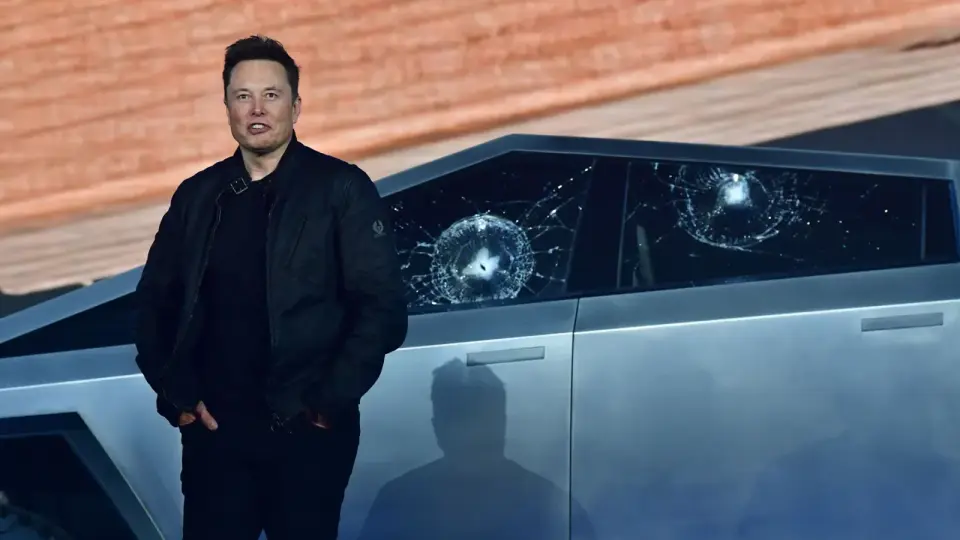
Elon Musk announced that Tesla will cease production of the Cybertruck at its Texas Gigafactory by mid-2027 to prioritize the autonomous Cybercab robotaxi. The decision follows a sharp sales decline, with only about 70,000 units sold since its 2023 launch, far below Musk’s initial projection of 250,000 annually. The move reflects a broader industry shift away from large, heavy electric vehicles toward smaller, more affordable models, aligning with trends seen in Ford’s cancellation of the F-150 Lightning.
Key points
- Production ends by mid-2027 to free up factory space for Cybercabs.
- Total sales reached approximately 70,000 units since November 2023.
- Musk’s initial annual sales target was 250,000 units.
- The Cybertruck faced multiple recalls, including one for 46,000 units in 2025 due to side panel issues.
- The discontinuation aligns with a broader industry trend toward smaller EVs and extended-range hybrids.
Background
The Cybertruck was unveiled in 2019 and launched in November 2023. It became a cultural symbol associated with Elon Musk’s political alignment with Donald Trump and the MAGA movement. Sales declined sharply in 2025, dropping 48% to 20,237 units in the U.S. The vehicle faced criticism for its design, reliability issues, and high price, while also becoming a polarizing political statement among owners and the public.
How outlets are covering it
Rolling Stone frames the Cybertruck’s end as a symbolic closure of a 'stupid, violent, get-rich-quick era,' criticizing its design flaws and Musk’s political ties. WIRED emphasizes the positive implications for the EV battery supply chain, noting that smaller vehicles like the Ford Fathom and Rivian R2 are gaining traction. The Atlantic highlights the vehicle’s cultural significance as a 'MAGA hat on wheels' and its role in Musk’s political strategy, while acknowledging its commercial failure. Ars Technica confirms the production halt but offers minimal analysis, focusing on the transition to the Cybercab.
Why it matters
The Cybertruck’s discontinuation signals a strategic pivot for Tesla toward autonomous transportation and smaller, more affordable EVs. It reflects broader market trends away from large, heavy electric vehicles, which have struggled with high costs and limited practicality. The move may benefit the U.S. battery supply chain by reducing demand for massive battery packs, while also highlighting the challenges of balancing innovation with market demand.
What to watch
Tesla will focus on scaling production of the Cybercab, a two-seater robotaxi with a 48-kilowatt-hour battery. The company may also explore smaller EV models to compete with emerging competitors like Ford’s Fathom and Rivian’s R2. The future of the Cybertruck remains uncertain, with existing units likely to depreciate or be scrapped, while Tesla’s stock performance will depend on the success of its autonomous vehicle strategy.
- Good Riddance to the Cybertruck, the Chariot of the Dumbest Gods Rolling Stone
- Tesla Is Ending Production of Its Cybertruck and Refocusing on the Cybercab The New York Times
- No more Cybertrucks; Musk moves on from the angular metallic flop Ars Technica
- The Cybertruck’s Death Is Actually Great News for EVs WIRED
- A Preposterous, Overpriced, Beautiful Disaster of a Car The Atlantic
Want the full story? Read the original reporting
Read on Rolling Stone