
Tesla scales Austin robotaxi fleet to 169 units amid regulatory scrutiny and public skepticism
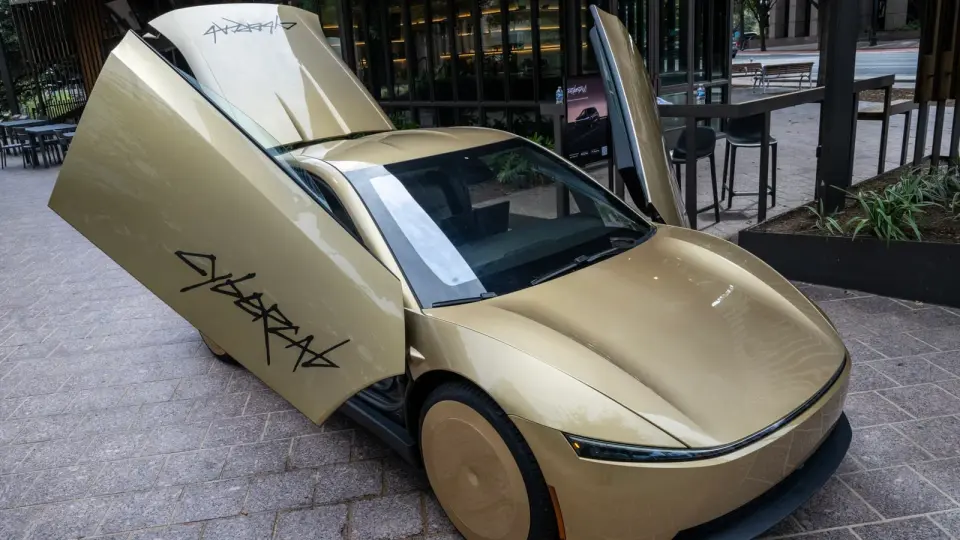
Tesla has rapidly expanded its driverless Cybercab fleet in Texas, reaching 169 authorized vehicles in Austin since its September 3 launch. While the company faces technical complaints and a federal safety audit, it is preparing to expand into Dallas and other states. Competitor Waymo maintains a significant lead in operational scale and public trust, with 4,000 active vehicles across 15 U.S. markets.
Key points
- Tesla increased its authorized Cybercab fleet in Texas from 45 to 169 vehicles within one month of the Austin launch.
- Passengers reported issues including 45-minute wait times, incorrect drop-off locations, and malfunctioning butterfly doors.
- The National Highway Traffic Safety Administration (NHTSA) initiated an audit query regarding the Cybercab’s compliance with federal safety standards.
- Waymo currently operates over 4,000 driverless vehicles in the U.S., conducting more than 500,000 paid rides weekly.
- Austin Fire Captain Matt McElearney called for national regulations requiring autonomous vehicles to have manual override capabilities for emergency responders.
Background
Tesla unveiled the Cybercab in Austin on September 3, 2026, marking the first public deployment of its steering-wheel-free robotaxi. Early coverage noted cautious rollout strategies and initial technical concerns. Recent archive reports indicated that active rides dropped to eight vehicles shortly after launch, highlighting a gap between registered vehicles and actual operational capacity. The current expansion represents a significant shift from that initial limited deployment.
How outlets are covering it
CNBC emphasizes the rapid scaling of Tesla’s fleet and the pressure to expand beyond Austin to meet investor expectations, noting that the stock has underperformed other megacap tech companies. The outlet highlights technical glitches and public skepticism, citing a survey where 70% of respondents wanted Tesla to pause rides following the NHTSA audit. BASENOR focuses on the quantitative growth of the fleet, detailing the jump from 69 to 158 registered vehicles in under two weeks, and notes recent driverless tests in Dallas. Not a Tesla App provides a broader market analysis, contrasting Tesla’s limited geographic presence with Waymo’s extensive network of 15 U.S. markets and international expansion plans. While CNBC and BASENOR highlight Tesla’s aggressive scaling, Not a Tesla App underscores the competitive disadvantage Tesla faces against Waymo’s established infrastructure and higher public confidence.
Why it matters
The success of Tesla’s Cybercab is critical to reversing its stock decline and competing with Chinese EV makers. The regulatory scrutiny from NHTSA and safety concerns from first responders could hinder expansion plans. If Tesla cannot resolve technical issues and gain public trust, it risks falling further behind Waymo in the autonomous ride-hailing market, potentially impacting its long-term revenue strategy.
What to watch
Tesla is expected to expand its robotaxi service to San Antonio, Dallas, and other Texas cities, as well as Nevada and Florida. The company must respond to the NHTSA audit query, for which it has obtained an extension. Analysts are watching for production ramp-up at Gigafactory Texas and potential regulatory outcomes that could affect the timeline for widespread deployment.
- Tesla’s Cybercab had a rocky first month in Austin. Now comes the hard part: expanding CNBC
- All of Tesla's Robotaxi Markets and Their Actual Sizes Not a Tesla App
- Inside Tesla's Cybercab: No steering wheel, no pedals and a few surprises. Austin American-Statesman
- Tesla Cybercab Fleet Hits 158 in Texas: Your Questions Answered BASENOR
- The Tesla Cybercab and the dystopian Hollywood horror show: Opinion drive.com.au
Want the full story? Read the original reporting
Read on CNBC