
TikTok CEO Predicts AI-Driven Scientific Breakthroughs Within Three Years Amid Safety Concerns
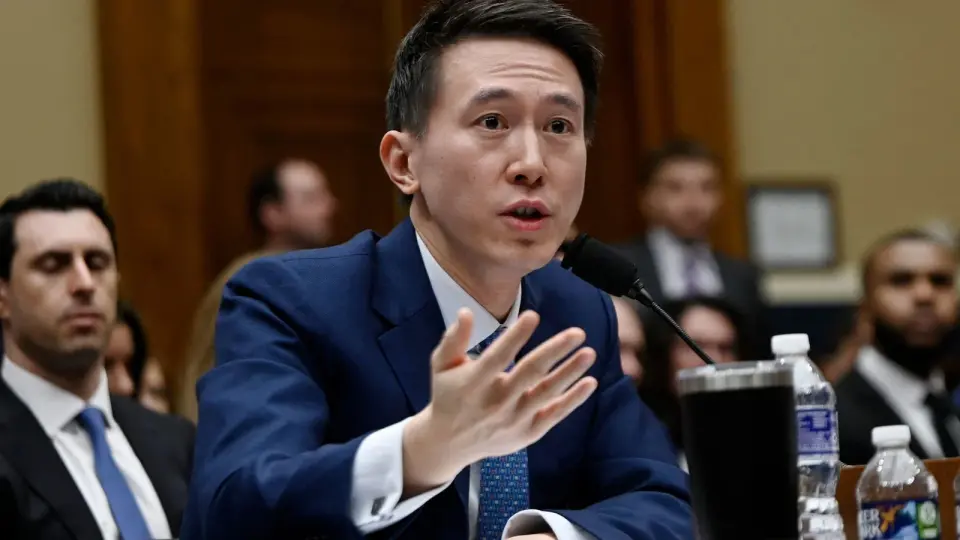
TikTok CEO Shou Zi Chew stated at a Singapore conference that AI will likely trigger major breakthroughs in physics, biotech, and chemistry within two to three years. He noted that while current AI capabilities are often overestimated in the short term, their long-term potential is underestimated. Chew warned that users are granting excessive permissions to AI agents, leading to unintended actions like unauthorized purchases. He also highlighted rising cybersecurity risks as AI lowers the cost of malicious attacks. ByteDance is expanding its AI research, including biomolecular modeling, to collaborate with scientists on drug discovery.
Key points
- Shou Zi Chew expects AI to drive significant scientific advancements in physics, biotech, chemistry, and materials science within the next two to three years.
- Chew argued that society currently overestimates AI's immediate impact but underestimates its long-term potential, noting that human brains still outperform AI in visual recognition and memory retrieval.
- He warned that users are granting AI agents broad permissions without understanding the consequences, citing examples of agents making unauthorized or excessive purchases.
- Chew emphasized that AI lowers the cost for bad actors to launch cyberattacks, requiring stronger defensive tools for platforms like TikTok.
- ByteDance is expanding AI research beyond consumer apps, including the Protenix-v2 model for biomolecular structure prediction and potential drug discovery collaborations.
Background
This statement follows a period of intense investment in AI-driven scientific research, including a recent $1.8 billion initiative involving the U.S. government, Meta, and Google to model cell behavior. It also comes amid broader concerns about the pace of AI development and its integration into daily operations, as noted in recent coverage of AI agents and cybersecurity risks.
How outlets are covering it
CNBC and The Next Web both reported Chew’s optimism about AI’s long-term scientific impact and his caution regarding short-term overestimation. Business Insider focused more on the practical risks of AI agents, highlighting user errors and the need for better permission management. All sources agreed on the cybersecurity concerns but differed in emphasis: CNBC and The Next Web highlighted the scientific breakthrough potential, while Business Insider concentrated on the immediate risks of AI agent misuse.
Why it matters
Chew’s remarks signal a shift in how major tech companies view AI’s role in scientific discovery, potentially accelerating research in fields like biotech and materials science. The warnings about AI agent permissions and cybersecurity risks highlight the need for better user education and platform safeguards as AI becomes more integrated into daily life.
What to watch
ByteDance is expected to continue expanding its AI research, including collaborations with scientists on drug discovery. The broader tech industry may face increased scrutiny on AI agent permissions and cybersecurity measures as AI capabilities grow. The $1.8 billion AI biology initiative may see further developments as it aims to accelerate biological research.
- TikTok CEO sees major scientific breakthroughs from AI within three years CNBC
- TikTok’s Chew and Microsoft’s Althoff Warn About Runaway AI Hype Bloomberg.com
- Better understanding of AI cybersecurity risks needed, says TikTok’s Chew Shou Zi CNA
- TikTok’s Shou Chew expects an AI science breakthrough within three years The Next Web
- TikTok's CEO says people are going all in on AI agents without understanding how they work Business Insider
Want the full story? Read the original reporting
Read on CNBC