
US Construction Data Reveals AI Boom Masking Broad Economic Decline
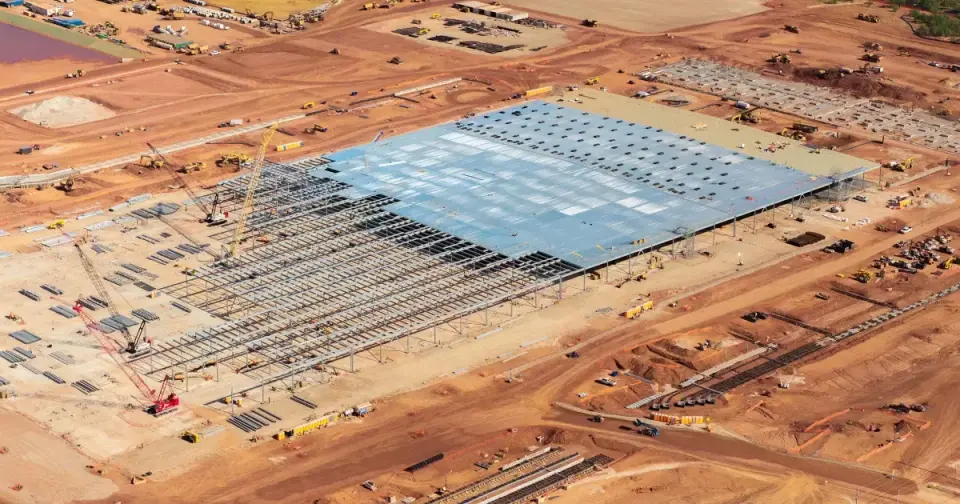
US data center construction surged 64.5% in 2026, driving overall economic growth while other sectors like manufacturing and housing collapsed. This AI-driven boom has created a temporary 'gold rush' for local businesses, but analysts warn that the benefits are transient and the broader economy remains fragile.
Key points
- Data center construction grew by 64.5% in 2026, the only major construction category to expand, according to data from Harvard economist Jason Furman.
- Manufacturing construction shrank by nearly 24%, while healthcare, retail, and education construction all fell by over 10%.
- Hyperscalers are expected to spend over $5 trillion on technology and data centers through 2030, with more than 1,500 projects currently in the works in the US.
- The construction boom has spawned a temporary service economy, including specialized catering, parking, and housing for workers, but these benefits often vanish once construction ends.
- Investors are growing skeptical about the sustainability of AI spending, raising concerns that the current economic growth is not broad-based or durable.
Background
This development follows a series of reports in 2026 highlighting the physical and economic impacts of the AI buildout. Earlier coverage noted that the AI boom was fueling a surge in skilled trades and industrial construction, with spending forecast to rise from $2.22 trillion in 2026 to $2.85 trillion by 2031. However, these gains have been uneven, with some regions facing environmental backlash, such as Finland's halt of Google's data center construction in October 2026. Additionally, the Fed's recent rate hikes have complicated the economic landscape, as the AI spending boom may keep inflation elevated while blunting the impact of higher rates on demand.
How outlets are covering it
Futurism emphasizes the fragility of the current US economy, arguing that growth is 'predicated almost entirely on the AI boom' and that other sectors are in collapse. In contrast, Business Insider focuses on the entrepreneurial opportunities created by the data center 'gold rush,' highlighting how local businesses in catering, parking, and housing are thriving during the construction phase. BNN Bloomberg takes a longer-term view, suggesting that the AI boom is driving a shift from an 'era of abundance into an era of scarcity' for physical infrastructure, creating investment opportunities in energy, copper, and nuclear power. While Futurism warns of a potential crash in data center spending, Business Insider notes that the benefits for host towns are often temporary, and BNN Bloomberg sees a sustained need for physical infrastructure to support AI.
Why it matters
The stark divergence between data center growth and the decline of other construction sectors highlights a potential structural weakness in the US economy. If the AI boom slows or investors pull back, the broader economy could face a sharp downturn, as the current growth is not supported by broad-based activity in housing, manufacturing, or healthcare. The temporary nature of the data center 'gold rush' also raises questions about the long-term economic benefits for local communities, which may face a steep drop in activity once construction is complete.
What to watch
Watch for signs of a slowdown in data center spending, which could trigger a broader economic downturn. Monitor the long-term economic impact on host towns, as the temporary benefits of the construction boom fade. Also, keep an eye on the development of physical infrastructure, such as power plants and pipelines, which will be critical to sustaining the AI boom in the long term.
- This Graph of Data Center Spending Compared to All Other Construction Will Give You Chills Futurism
- The data center gold rush is creating unlikely winners Business Insider
- Inside the tech boom: How local contractors are getting ahead of national demand The Business Journals
- AI spending drives a big share of U.S. economic growth Quartz
- 9 stocks powering the AI boom: Jon Erlichman BNN Bloomberg
Want the full story? Read the original reporting
Read on Futurism