
CPUC Greenlights Waymo Expansion to 18 California Counties
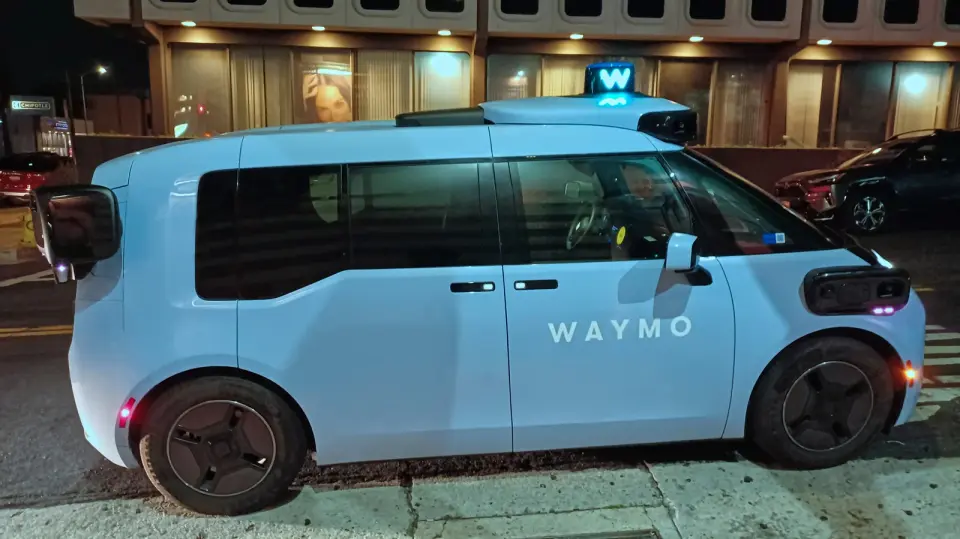
The California Public Utilities Commission has approved Waymo’s request to expand its autonomous ride-hailing service across 18 counties in the state. This regulatory clearance allows the Alphabet-owned company to launch services in Sacramento and San Diego for the first time, while also broadening operations in the San Francisco Bay Area and Los Angeles. The expansion, which was initiated by a safety plan filed in January 2026, covers both existing Jaguar I-Pace vehicles and the newer Zeekr-built Ojai minivans. While the approval is significant, Waymo emphasizes that the rollout will be gradual and guided by its safety framework, with immediate priorities focused on validating technology in Sacramento and preparing for rider-only service in San Diego later this summer.
Key points
- The California Public Utilities Commission (CPUC) approved Waymo’s expansion to 18 counties, including Sacramento, San Diego, Los Angeles, Orange, Riverside, and Ventura.
- The approval follows a safety plan Waymo filed in January 2026, which had previously faced suspension and feedback from regulators.
- Waymo plans to use both its existing Jaguar I-Pace fleet and its new, more affordable Ojai minivans for the expanded service.
- The rollout will be gradual, with Waymo prioritizing rider-only service in San Diego later this summer and continued technology validation in Sacramento.
- Sacramento officials anticipate potential service launches as early as August, though Waymo has not provided a specific timeline for public availability.
Background
This regulatory milestone follows Waymo’s earlier expansion into four U.S. cities—San Diego, Las Vegas, Tampa, and Denver—announced in July 2026. The company had also faced scrutiny in San Francisco regarding robotaxis obstructing emergency vehicles and causing traffic gridlock during major events like the Fourth of July. The new CPUC approval represents a significant step in Waymo’s effort to scale its operations across California, a key market for autonomous vehicle technology.
How outlets are covering it
Engadget and the Los Angeles Times both highlight the breadth of the CPUC approval, noting the expansion to 18 counties and the inclusion of new vehicle types like the Ojai. The Sacramento Bee emphasizes local impact, reporting that city councilmember Phil Pluckebaum suggested service could begin as early as August, while Waymo spokesperson Sandy Karp stressed the gradual, safety-guided nature of the rollout. KCRA focuses on the regulatory milestone itself, noting that Waymo has not provided an immediate timeline for public service in Sacramento. All sources agree on the core facts of the CPUC approval but differ in emphasis: national outlets focus on the scale of expansion, while local outlets focus on timing and community impact.
Why it matters
The CPUC approval marks a critical regulatory step for Waymo’s dominance in the U.S. robotaxi market, allowing it to triple its service area in California. This expansion could accelerate the adoption of autonomous vehicles in major urban centers, potentially reshaping transportation infrastructure and labor dynamics. However, the gradual rollout and ongoing safety validations suggest that widespread public access will take time, and the company must navigate local concerns about safety and emergency response, as seen in prior San Francisco incidents.
What to watch
Waymo will likely begin testing rider-only service in San Diego later this summer, as indicated by its spokesperson. In Sacramento, the company will continue validating its technology, with potential public service launches depending on safety framework compliance. The expansion to other counties, including Los Angeles and the Bay Area, will proceed gradually, with specific timelines to be determined by Waymo’s safety assessments and local regulatory approvals.
- Waymo Receives Permission To Offer Rides In Sacramento And San Diego Engadget
- Waymo wins approval for drastic expansion in Los Angeles, Bay Area regions Los Angeles Times
- Waymo just cleared key hurdle in Sacramento. Where robotaxi rides could come first Sacramento Bee
- Waymo gets green light from state regulators to operate in Sacramento, company says KCRA
- Waymo gains approval to launch fully autonomous ride-hailing in Sacramento ABC10
Want the full story? Read the original reporting
Read on Engadget