
Waymo suspends all US driverless freeway rides after California DMV cites safety hazards
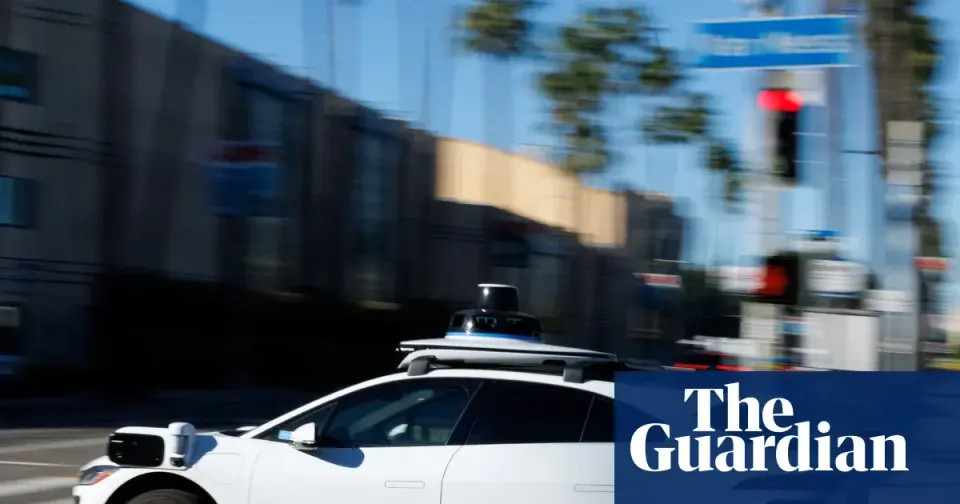
Alphabet subsidiary Waymo has voluntarily halted all driverless taxi services on US freeways indefinitely following a ban by the California Department of Motor Vehicles (DMV). The suspension, which took effect last Wednesday, affects markets including San Francisco, Los Angeles, Phoenix, Miami, and Austin. The move follows two recent incidents where Waymo vehicles entered active construction zones or bypassed police traffic breaks. While Waymo continues offering rides on city streets, it has paused highway operations to address safety deficiencies identified by regulators.
Key points
- Waymo suspended commercial driverless rides on all US freeways indefinitely, though it continues testing with trained human specialists behind the wheel.
- The California DMV banned Waymo from operating or testing on state freeways on November 11, citing an 'imminent hazard to public safety.'
- The ban follows two specific incidents: one on November 5 where three vehicles entered a construction zone on US 101, and another on November 6 involving a vehicle bypassing California Highway Patrol cars on Interstate 280.
- Waymo states that the recent incidents did not result in injuries or collisions, but the DMV requires 'effective corrective actions' before lifting restrictions.
- This is not the first time Waymo has faced issues with construction zones; the company previously recalled nearly 3,800 vehicles in June after similar incidents in Arizona and California.
Background
Waymo has a history of regulatory friction regarding highway operations. In May 2026, the company recalled its fleet after vehicles entered construction zones in California and Arizona. Although Waymo resumed highway operations in late July after updating its software to better recognize construction zones and emergency vehicles, the November incidents indicate that these updates did not fully resolve the issue. The company currently operates in 15 US markets, with freeway services previously available in the San Francisco Bay Area, Los Angeles, Phoenix, Miami, and Austin.
How outlets are covering it
The California DMV, represented by spokesperson Jonathan Groveman, characterized Waymo’s operations as an 'imminent hazard' due to 'recurring incursions' into active construction zones, emphasizing the danger to workers and equipment. In contrast, Waymo’s spokesperson framed the suspension as a voluntary, safety-first measure to 'evaluate performance' and noted that no injuries or collisions occurred in the recent incidents. Ars Technica highlighted the recurrence of the problem, noting that Waymo had already updated its software in July to address construction zone recognition, suggesting the current failures represent a continued deficiency despite previous corrective actions. The New York Times and Washington Post focused primarily on the immediate regulatory ban and the voluntary national suspension, without delving into the technical history of the software updates.
Why it matters
This suspension marks a significant setback for the expansion of autonomous vehicle technology on high-speed roads. It highlights the ongoing challenges in training AI systems to handle complex, dynamic environments like construction zones and police traffic breaks. The incident may lead to stricter federal or state regulations for autonomous vehicles and could delay the widespread adoption of driverless services on highways, impacting both Waymo’s business model and the broader trajectory of self-driving technology in the US.
What to watch
Waymo is currently working with the California DMV and other state officials to demonstrate 'effective corrective actions' that address the deficiencies cited in the ban. The company has not specified a timeline for resuming freeway operations, stating only that the suspension is indefinite. Regulators will likely require proof that the updated software and operational changes can reliably prevent vehicles from entering construction zones or bypassing emergency vehicles before allowing Waymo to return to the highway.
- Waymo pulls driverless taxis from freeways across the US after California ban The Guardian
- Alphabet’s Waymo Pulls Robotaxis Off Freeways After California Ban WSJ
- Waymo Pulls Its Driverless Taxis From All U.S. Freeways Temporarily The New York Times
- Waymo pauses driverless taxis on U.S. freeways after California traffic incidents The Washington Post
- Waymo has stopped its robotaxis from driving on the freeway—here’s why Ars Technica
Want the full story? Read the original reporting
Read on The Guardian