
ULA Blames Fuel Delivery, Not Engines, for Vulcan Centaur Failure
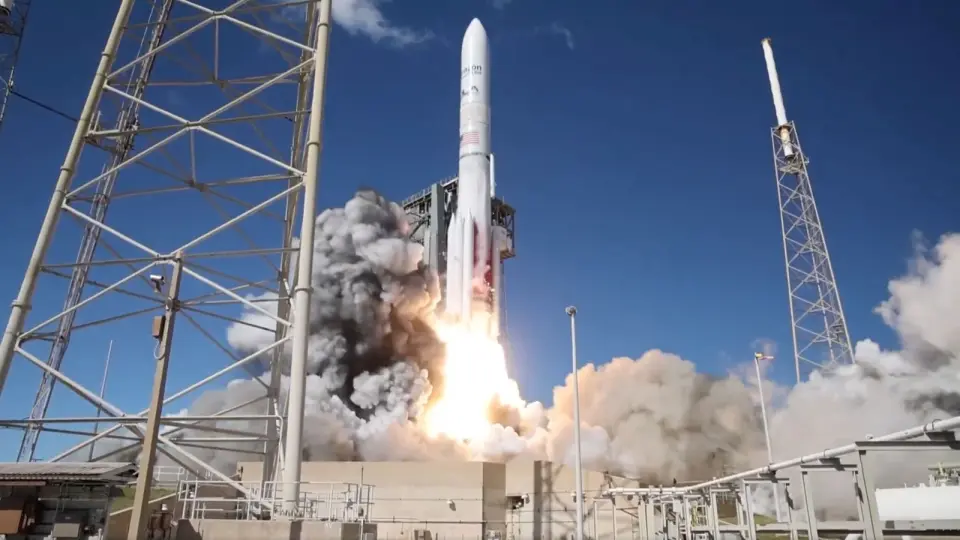
United Launch Alliance (ULA) has identified inadequate fuel supply to the first-stage engines as the preliminary cause of its Vulcan Centaur rocket failure on November 15, 2026. The malfunction resulted in the loss of 40 Amazon Leo internet satellites. ULA stated that the issue stemmed from the vehicle's fuel delivery system rather than the performance of the BE-4 engines manufactured by Blue Origin. This finding exonerates the engines, which are also critical to Blue Origin’s New Glenn rocket. The incident marks ULA’s first total mission failure since 2006 and follows a nine-month grounding due to solid rocket booster issues. The Federal Aviation Administration is overseeing the ongoing investigation.
Key points
- ULA’s preliminary review of flight data indicates that low thrust in the first stage was caused by inadequate fuel supply from the vehicle to the BE-4 engines, not by engine performance issues.
- The failure occurred on November 15, 2026, during a launch from Cape Canaveral, resulting in the loss of 40 Amazon Leo satellites.
- The first stage fired 30 seconds longer than planned, suggesting it underperformed just after liftoff, leaving the rocket too low and slow to reach orbit.
- The Centaur V upper stage and RL-10 engines performed as planned, but could not compensate for the initial loss of performance.
- The six Northrop Grumman solid rocket boosters, which caused issues on previous flights, performed normally during this mission.
- The Federal Aviation Administration is overseeing the ULA-led investigation, with further details expected as the analysis continues.
Background
The Vulcan Centaur rocket had been grounded for nine months following solid rocket booster nozzle failures on its second and fourth flights in October 2024 and February 2026. ULA and Northrop Grumman implemented a nozzle design fix that appeared to work during the November 15 launch. This failure is ULA’s first total mission loss since its founding in 2006. The incident adds to a series of setbacks for ULA and its competitors, including Blue Origin’s New Glenn rocket, which exploded during a test in May 2026. Amazon has 37 additional Vulcan launches booked for its Leo satellite network, and the failure may impact its competition with SpaceX’s Starlink service.
How outlets are covering it
Space.com and GeekWire emphasize that the failure exonerates Blue Origin’s BE-4 engines, which are also used in the New Glenn rocket. GeekWire notes that Blue Origin CEO Dave Limp expressed pride in his team’s support of the investigation. Scientific American highlights the broader implications for U.S. spaceflight, noting that the failure could delay NASA’s Artemis program and the U.S. Space Force’s missions, as both rely on ULA’s Vulcan and Centaur V stages. Scientific American also points out that Amazon’s Leo service is already behind schedule, and the failure may exacerbate delays. All sources agree that the investigation is ongoing and that the root cause is still being determined.
Why it matters
The failure of the Vulcan Centaur rocket has significant implications for ULA, Amazon, and the broader U.S. space industry. ULA, a joint venture between Boeing and Lockheed Martin, is a key provider of launch services for NASA and the U.S. Space Force. The failure may delay critical missions, including those related to the Artemis program and the development of a lunar base. Amazon’s Leo satellite network, which aims to compete with SpaceX’s Starlink, is already behind schedule, and the loss of 40 satellites could further hinder its rollout. The incident also raises concerns about the reliability of alternative launch providers as SpaceX continues to dominate the market with its Starship rocket. The ongoing investigation and potential delays could have long-term effects on U.S. space exploration and national security.
What to watch
ULA will continue its investigation into the root cause of the failure, with the Federal Aviation Administration overseeing the process. Further updates are expected as the analysis progresses. Amazon’s next Leo launch is scheduled for no earlier than November 23, 2026, using an Ariane 6 rocket from French Guiana. Blue Origin is targeting January 2027 for the return to flight of its New Glenn rocket. The outcome of the investigation will determine the timeline for Vulcan’s return to service and may impact future launch schedules for ULA and its customers.
- ULA traces Vulcan Centaur rocket failure to 'inadequate fuel supply' to 1st-stage engines Space
- Latest findings point to fuel supply, not Blue Origin’s engines, in loss of Amazon Leo satellites GeekWire
- The Vulcan rocket failure could haunt U.S. spaceflight for years to come Scientific American
- ULA lost a Vulcan Centaur rocket 10 minutes after launch — but the failure began just after liftoff Space
- Amazon loses 40 Leo satellites as Boeing-Lockheed rocket fails DW.com
Want the full story? Read the original reporting
Read on Space