
Contractual Barriers and Tower Deals Hinder SpaceX's Push for US Mobile Entry
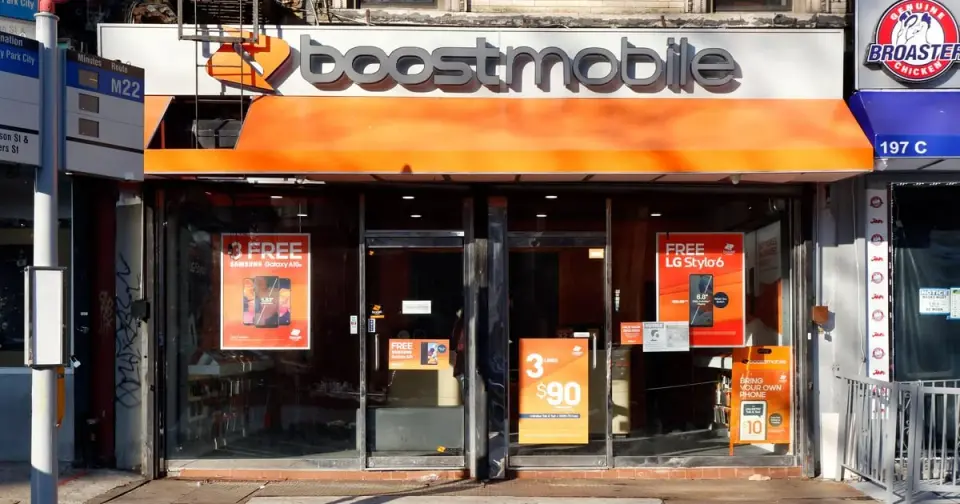
SpaceX is attempting to launch a US mobile carrier by acquiring or accessing Boost Mobile, but analysts warn that change-of-control clauses in existing MVNO contracts with AT&T and T-Mobile likely block this strategy. Simultaneously, SpaceX is building a terrestrial network by leasing up to 80,000 cell sites and acquiring 800 MHz spectrum, while betting markets have raised the odds of a 2027 launch.
Key points
- Analysts from LightShed Partners and New Street Research state that acquiring Boost Mobile will not automatically grant SpaceX access to AT&T or T-Mobile networks due to strict change-of-control provisions in EchoStar's existing agreements.
- EchoStar confirmed in a 2025 earnings call that it cannot pass through its AT&T MVNO deal without carrier approval, and AT&T retains the right to terminate the agreement if a 'restricted party' is involved.
- SpaceX has sent requests for information to tower owners and site acquisition firms, targeting over 20 US markets, with Southern California identified as an early test market for leasing infrastructure.
- Crypto betting platform Polymarket raised the probability of SpaceX launching a US phone plan by June 2027 to 22%, up from 13% the previous day, following reports of talks with EchoStar.
- SpaceX recently acquired up to 14 megahertz of 800 MHz spectrum from Grain Management for $8 billion, which CEO Elon Musk described as the final piece needed for complete phone coverage in the US.
Background
This development follows SpaceX's recent rejections from AT&T, Verizon, and T-Mobile regarding direct MVNO partnerships. Earlier in October, Deutsche Telekom CEO Timotheus Höttges warned against such deals, arguing satellite coverage cannot match terrestrial density. In late October, SpaceX began acquiring low-band spectrum and pursuing cell site leases to build a terrestrial network, aiming to bypass the need for carrier cooperation.
How outlets are covering it
Light Reading and LightShed Partners argue that the Boost Mobile acquisition is a dead end because contractual restrictions prevent SpaceX from inheriting MVNO rights, especially since T-Mobile's deal expires in 2027. Yahoo Finance highlights market optimism, noting that crypto bettors have increased the odds of a 2027 launch, viewing the EchoStar talks as a potential breakthrough. Inside Towers provides a physical infrastructure perspective, noting that while SpaceX is actively seeking tower leases, industry executives doubt Musk will pay standard rates, predicting a disruptive approach to network costs rather than traditional leasing models.
Why it matters
The outcome determines whether SpaceX can enter the US mobile market as a fourth major carrier or remain limited to satellite services. If contractual barriers hold, SpaceX must build its own terrestrial network, which requires massive capital and time. If it succeeds via Boost or tower leases, it could disrupt the oligopoly of the Big Three carriers, potentially lowering prices and increasing competition, though it may face regulatory scrutiny from the FCC and DOJ.
What to watch
SpaceX is expected to continue negotiations with tower owners and potentially test non-controlling stakes in Boost Mobile to see if they trigger change-of-control clauses. The company may also attempt to include Starlink Mobile e-SIMs in Boost devices to circumvent restrictions. AT&T and T-Mobile are likely to monitor these moves closely and may use legal mechanisms to block any arrangements that violate their existing agreements.
- Why Boost Mobile isn't SpaceX's shortcut to an MVNO Light Reading
- Inside Musk’s plan to upend the wireless phone industry The Washington Post
- SpaceX in talks to buy Boost Mobile or use its network, Washington Post reports Reuters
- Elon Musk Will Launch a US Phone Plan? Crypto Bettors Raise Odds SpaceX Becomes a Mobile Carrier in 2027 Yahoo Finance
- SpaceX Seeks Tower Industry Partners Inside Towers
Want the full story? Read the original reporting
Read on Light Reading