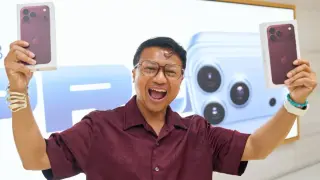
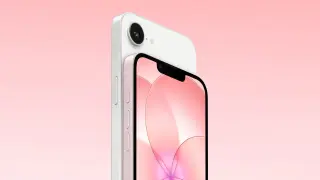
RedPocket Mobile, a network-agnostic MVNO offering service on Verizon, AT&T, and T-Mobile, has unveiled a $100 rebate on the iPhone 18 Pro and Pro Max for new and upgrading customers, with prepaid plans and no contracts or surprise fees, and the option to pay via Katapult financing.
A tech-focused personal piece explaining why the author left T-Mobile after price hikes to pursue an MVNO route. It explains what an MVNO is, compares Mint Mobile, Visible, and US Mobile, and details why US Mobile won out (multi-network access, competitive pricing, and a convenient switch). The author switched via eSIM with minimal hassle, kept the same iPhone numbers, and saw substantially lower costs (two lines for a year around $500 versus over $1,350 with T-Mobile), plus added an Apple Watch plan on the new carrier. Pros include no contracts, easy switching, and inclusion of taxes/fees on some plans; cons can include fewer perks, potential limits on international data, and plan-specific caveats. The piece emphasizes that savings depend on individual usage and priorities, and that MVNOs can offer comparable coverage at a lower price if chosen carefully.
A former T-Mobile customer details the downsides of using Mint MVNOs—data deprioritization in crowded areas, limited hotspot data, and roaming gaps—along with practical workarounds: force LTE or use a VPN/public Wi‑Fi when needed, add a hotspot data boost or upgrade the plan, set metered connections to curb background usage, and consider international eSIMs or short‑term data passes for travel. Despite saving over $100/month, success with MVNOs requires planning and flexibility and choosing features to fit your usage.
SpaceX plans to turn Starlink into a true mobile service by building out terrestrial infrastructure using 65 MHz of EchoStar spectrum and a dense network of base stations, with the goal of drawing customers away from Verizon, AT&T and T-Mobile. A key hurdle is securing an MVNO agreement with a major carrier; SpaceX also expects next-generation Starlink Mobile satellites in 2027 and a significantly upgraded service by year-end 2027, and it already has a T-Mobile satellite connectivity partnership in place.
With major carriers reportedly rejecting Starlink’s MVNO deals, Wolfe Research suggests SpaceX buy a traditional network operator—most likely T-Mobile—to accelerate Starlink Mobile and gain quicker access to customers (potentially expanding into Germany via Deutsche Telekom). Other analysts see SpaceX building an MNO from scratch; the Besen Group even predicts up to 20 million US subscribers in five years if SpaceX acquires a network. No deal has been announced yet.
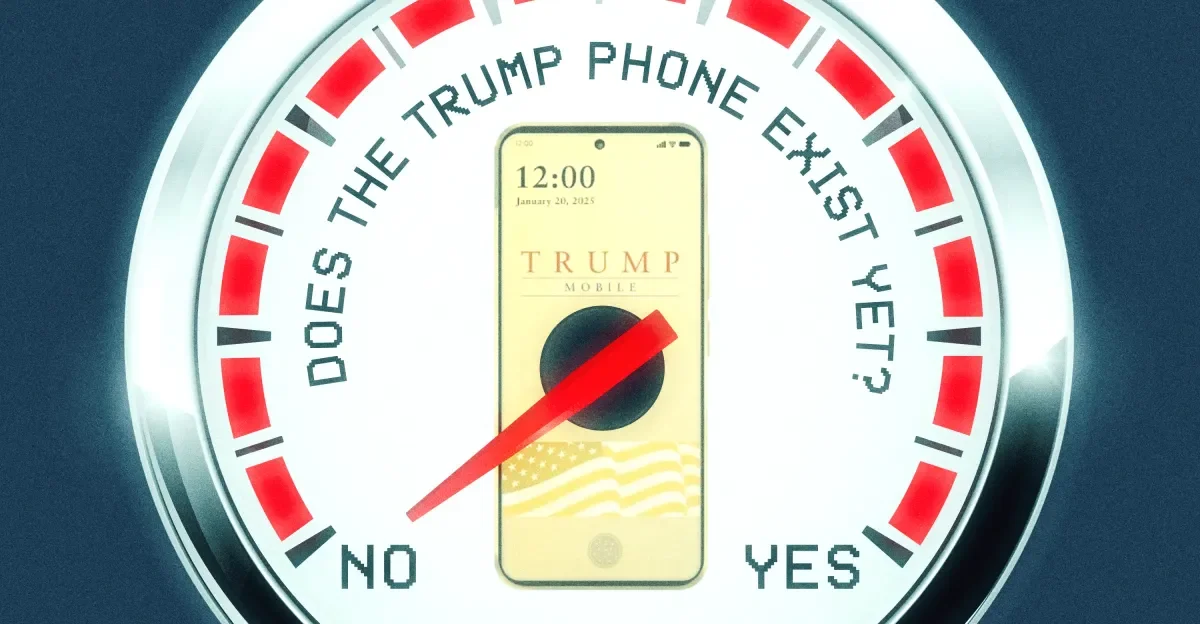
Trump Mobile didn’t originate with the president; executives say Liberty Mobile pitched the idea, echoing Liberty’s earlier Canelo Álvarez project. Canelo Mobile, launched in 2020, was an MVNO using budget hardware (Hotpepper) and boxer-branded apps, tied to Liberty Mobile. Trump Mobile later pushed for its own hardware in Miami to differentiate, but remains an MVNO-focused business with premium pricing and questions about value. The piece traces how branding, partnerships, and hardware ambitions shaped both ventures.
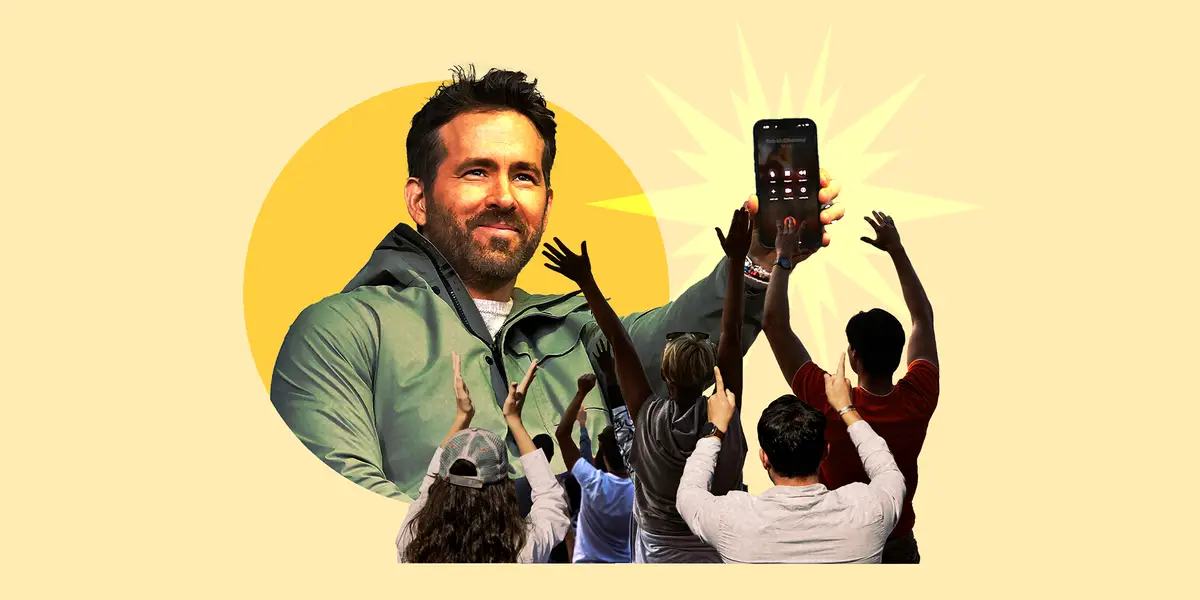
Celebrities like Ryan Reynolds, Donald Trump, and others are entering the mobile phone plan market by launching their own MVNOs, inspired by Reynolds' success with Mint Mobile. These brands aim to capitalize on their fame by offering inexpensive, targeted plans, but face challenges in achieving scale and differentiation in a competitive industry. The trend reflects a broader strategy of monetizing celebrity influence across various sectors.
A growing number of celebrities and high-profile brands are entering the mobile phone market by launching branded wireless services, including Trump Mobile by the Trump Organization, SmartLess Mobile by actors Jason Bateman, Sean Hayes, and Will Arnett, and celebrity stake in Mint Mobile, alongside traditional MVNOs like Straight Talk and Cricket, highlighting a trend of brand-driven mobile service offerings.
The article explains how celebrities like Ryan Reynolds and Donald Trump are entering the wireless industry by launching Mobile Virtual Network Operators (MVNOs), which buy network capacity from major carriers and resell it, targeting niche markets. Reynolds' success with Mint Mobile, which he sold to T-Mobile, has popularized celebrity-backed MVNOs, especially with the rise of 5G and eSIM technology making it easier for consumers to sign up. The trend reflects a broader shift in marketing and branding strategies within the telecom industry.
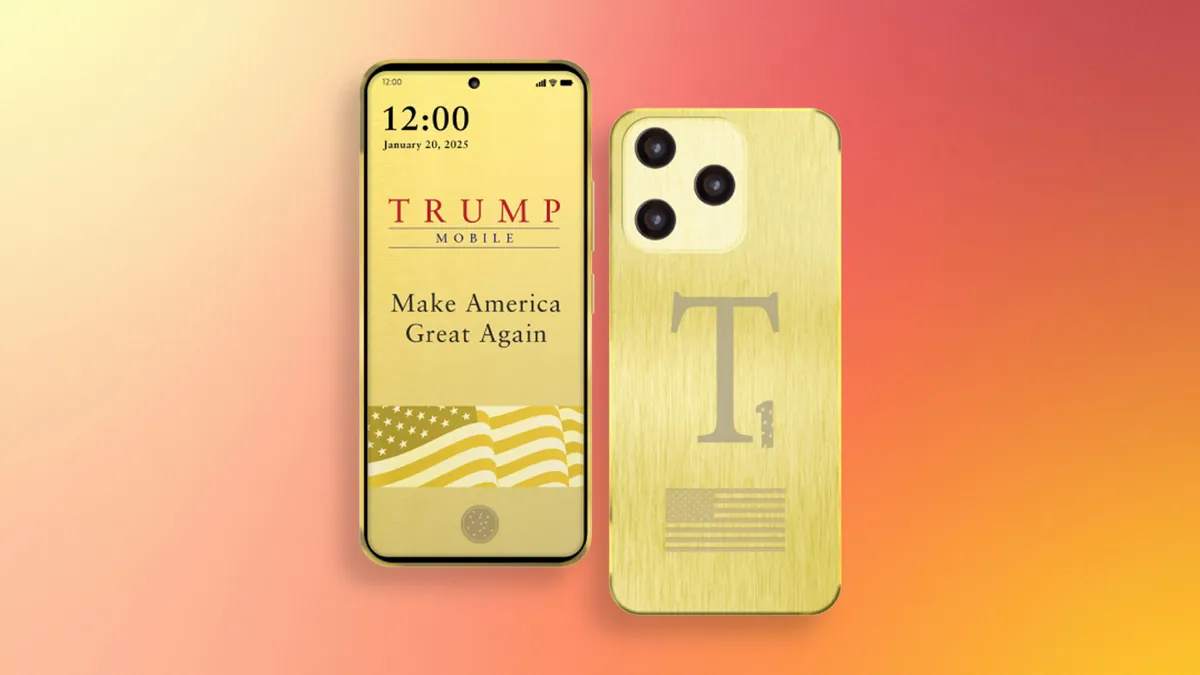
The Trump Organization has launched Trump Mobile, a new wireless service offering a $499 phone called the T1, with plans costing $47.45/month, including unlimited talk, text, data, and additional services like telehealth. The phone is marketed as designed and built in the US, but manufacturing details remain unclear, and it will operate on major US networks via an MVNO. The move appears to be part of a trend of celebrity-branded mobile services, though industry experts suggest it may not significantly disrupt the market.
The Trump Organization announced the launch of Trump Mobile, a new wireless service offering 5G plans through major carriers and a US-designed Android smartphone, emphasizing American manufacturing and customer service, with regulatory oversight by the FCC.
Amazon is reportedly in talks with major US carriers to offer low-cost phone service to Prime customers, potentially for as little as $10 a month or even for free. The move could inspire customer loyalty and make it harder for customers to cancel their Prime subscription. However, it's unclear what customers might be giving up if they opt to purchase cell service through Amazon, as MVNOs often have limits on data speed and capped limits, access to 5G spectrum, tethering, and streaming video quality. Amazon has not confirmed the plans.