
Brightline's Bankruptcy Highlights the Structural Barriers to US High-Speed Rail
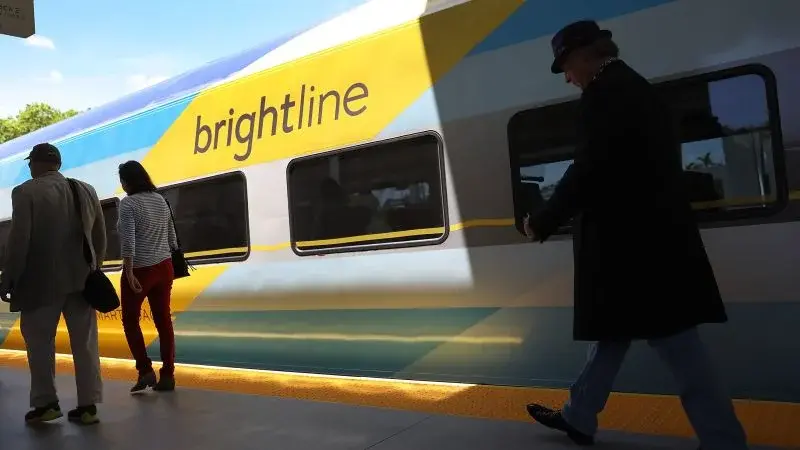
The US lacks true high-speed rail due to historical underfunding, geographic challenges, and strong lobbying from auto and aviation industries. Recent developments include Brightline's bankruptcy and the launch of Amtrak's NextGen Acela, which offers limited speed improvements but faces significant hurdles.
Key points
- Brightline filed for bankruptcy last month but continues operating its Florida route and planning a Las Vegas to Rancho Cucamonga line.
- Amtrak's NextGen Acela, launched in August 2025, can reach 160 mph but only in short bursts.
- The California high-speed rail project is years behind schedule and billions over budget, with a projected cost of $231 billion.
- US cities are often farther apart than those in countries with established high-speed rail, making air travel faster for longer distances.
- Lobbying from auto, oil, and aviation industries has historically diverted funding away from rail toward highways and air travel.
Background
The California high-speed rail project has faced significant delays and cost overruns, with a projected cost of $231 billion and completion pushed to 2039. A recent watchdog warned of a potential funding crisis by the end of 2027. Additionally, a Chicago startup has proposed a privately funded rail link from O'Hare to the Loop, though experts remain cautious about its feasibility.
Why it matters
The failure of high-speed rail in the US reflects broader issues in infrastructure investment and policy prioritization. Without significant government support and a shift in public and private investment, the US is likely to remain an outlier in global high-speed rail development, impacting economic growth, environmental sustainability, and transportation efficiency.
What to watch
Brightline aims to proceed with its Las Vegas to Rancho Cucamonga line despite bankruptcy. Amtrak's NextGen Acela will continue to operate, but its limited speed capabilities may not significantly change the landscape. The California high-speed rail project faces ongoing challenges, including funding and environmental reviews.
Want the full story? Read the original reporting
Read on CNN