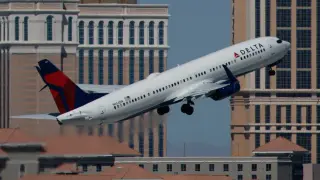
The Federal Aviation Administration is deploying its $875 million AI system, SMART, across all 22 national air traffic control centers. While the agency reports early success in saving fuel and time, the move has drawn criticism from the air traffic controllers' union, which claims it was excluded from the system's design and testing.
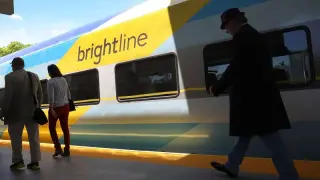
The US lacks true high-speed rail due to historical underfunding, geographic challenges, and strong lobbying from auto and aviation industries. Recent developments include Brightline's bankruptcy and the launch of Amtrak's NextGen Acela, which offers limited speed improvements but faces significant hurdles.
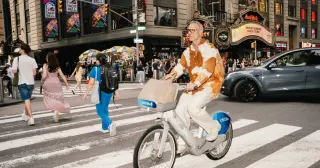
Mayor Zohran Mamdani unveiled 'Vision Zero Reimagined,' a 104-page, decade-long strategy to eliminate traffic deaths in New York City. The plan includes installing speed-capping devices in repeat offenders' vehicles, lowering speed limits near schools, and redesigning intersections. Critics note the proposal lacks specific locations for pedestrian-only zones and relies on state legislation for key enforcement measures.
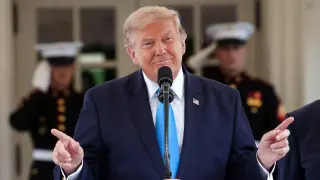
President Donald Trump launched the 'Freedom Haulers' initiative on July 31, 2026, at the White House to expedite commercial driver's license (CDL) waivers for military veterans with heavy-vehicle experience. The program aims to address a shortage of truck drivers by allowing eligible veterans to skip duplicate training and knowledge tests, while simultaneously targeting the removal of unauthorized immigrant drivers from U.S. highways. Transportation Secretary Sean Duffy highlighted that veteran drivers have a 42% lower accident rate, and the initiative currently operates in 34 states. Industry leaders praised the move as a way to replenish an aging workforce with disciplined, high-paying jobs, though critics note the event highlighted tensions between immigration enforcement and federal licensing standards.
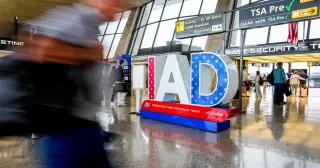
President Donald Trump announced a $22.5 billion plan to overhaul Washington Dulles International Airport, featuring five new terminals, an underground transit system to replace aging shuttles, and a massive parking garage. The project, which Trump personally designed using 3D models, will be financed by the Metropolitan Washington Airports Authority and United Airlines, aiming to transform the facility into a world-class hub.
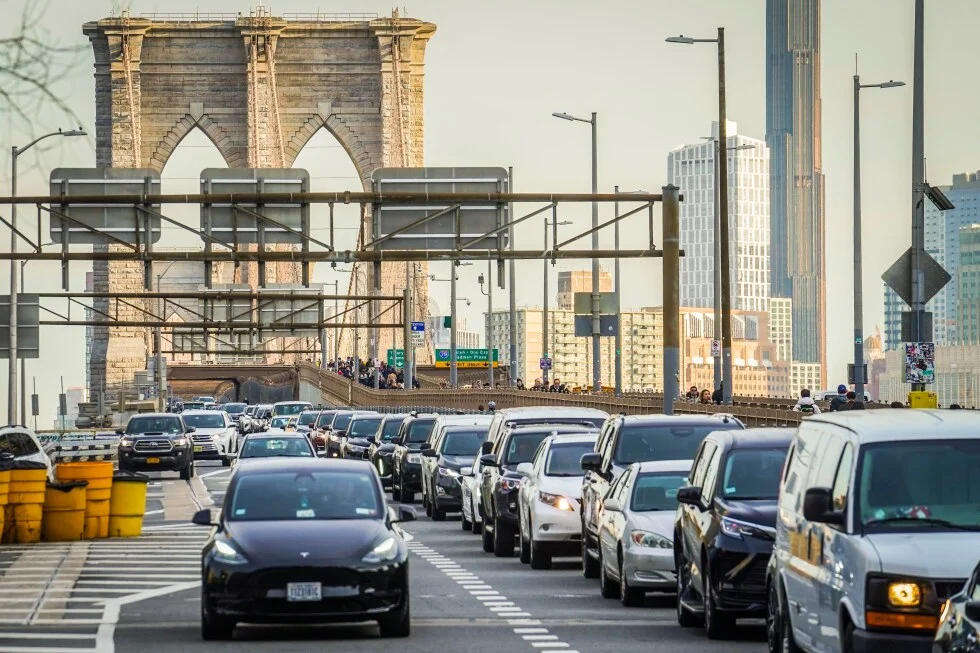
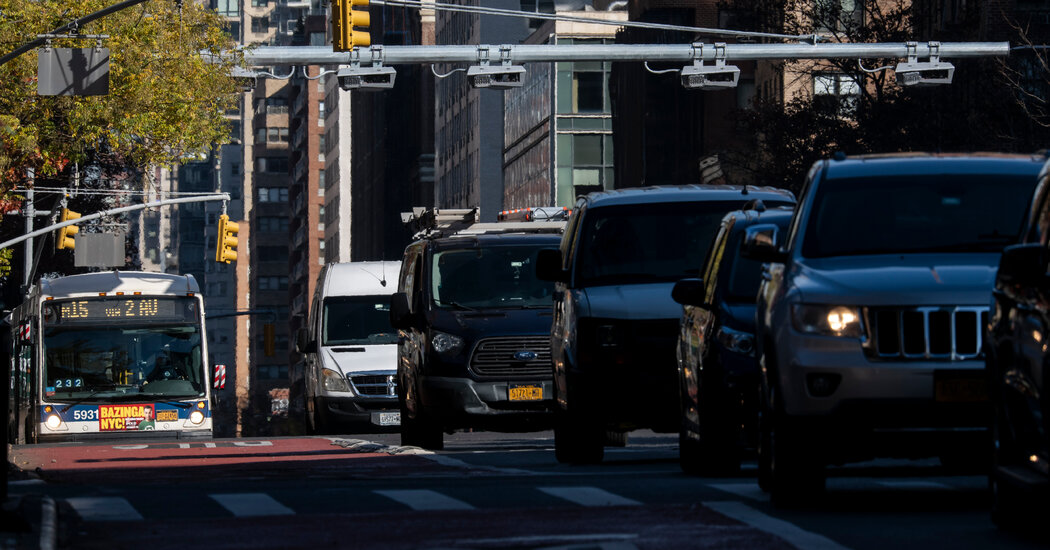
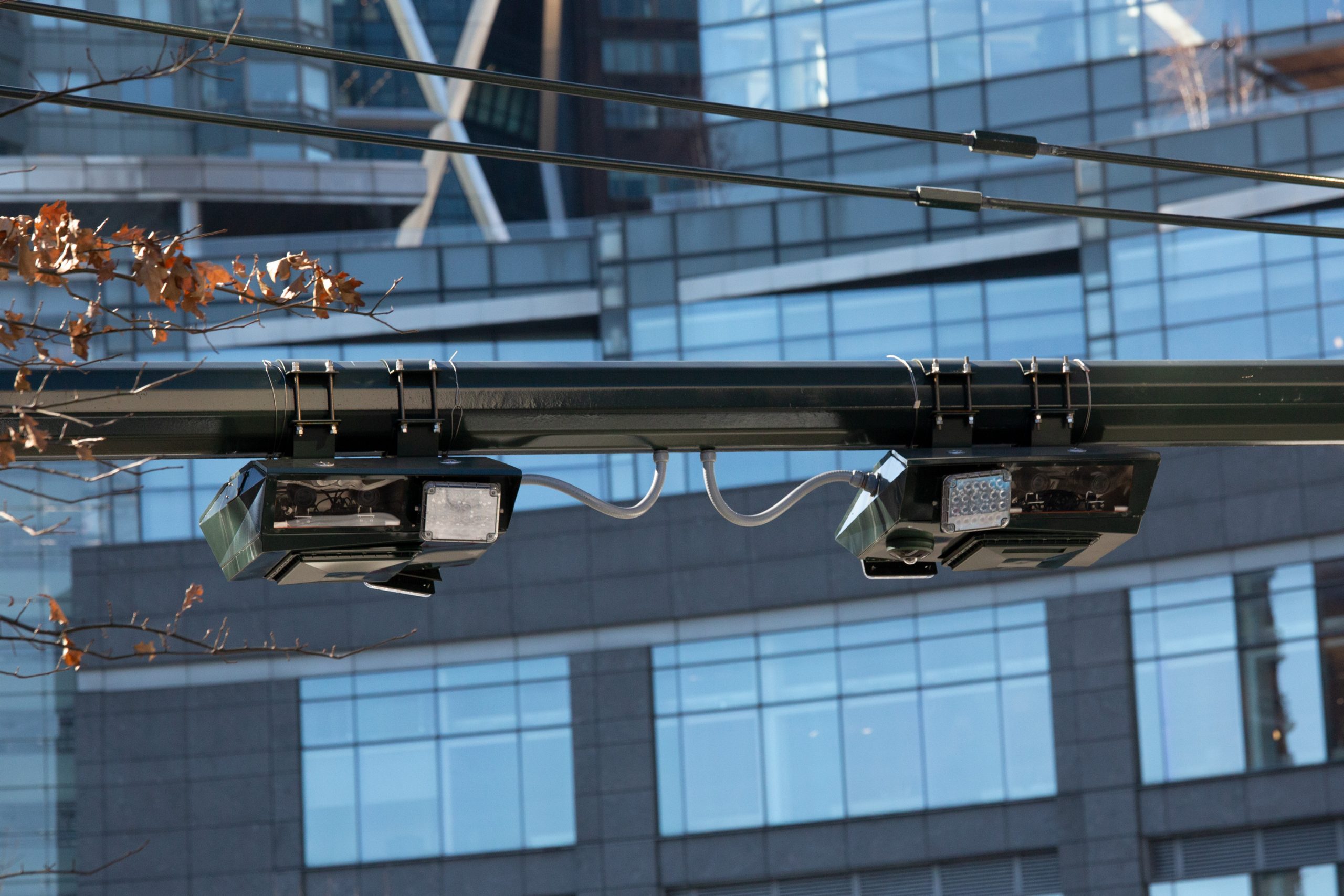
A federal judge rejected the Trump administration’s bid to block New York City’s plan to levy a congestion toll into Manhattan, allowing the pricing scheme to move forward and fund transit improvements.
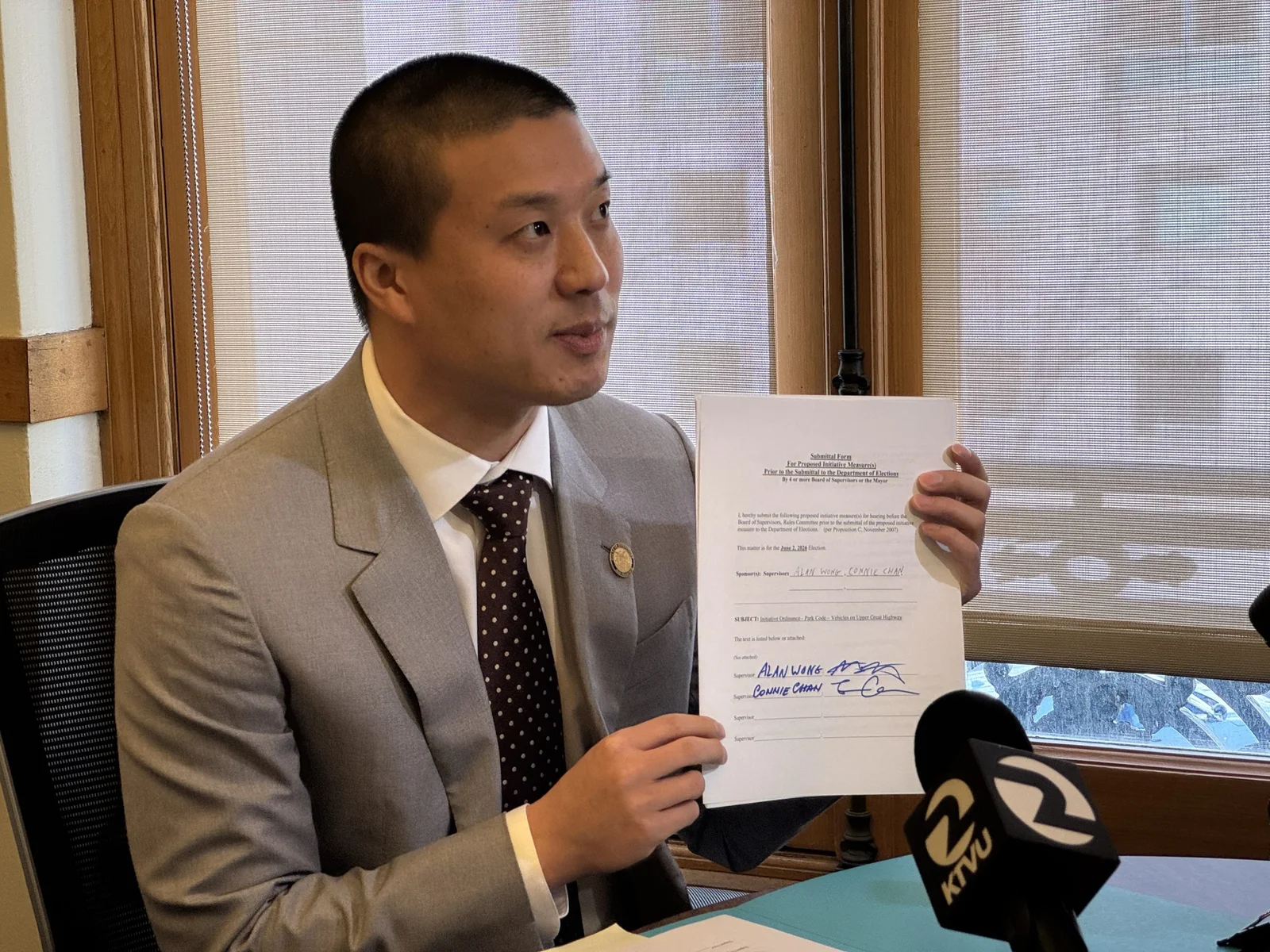
San Francisco Supervisor Alan Wong failed to gather the four required signatures to place a ballot measure to reopen the Great Highway to cars on weekdays before the deadline; only Wong, Connie Chan, and Chyanne Chen signed, with other supervisors and insiders criticizing the late, opaque process. The measure would have allowed cars on weekdays and possibly weekends under undefined “exceptional circumstances,” while the park remained pedestrian- and bicycle-focused on weekends. The failure highlights political risk for Wong ahead of a June election and suggests future efforts may need broader, earlier community consultation.
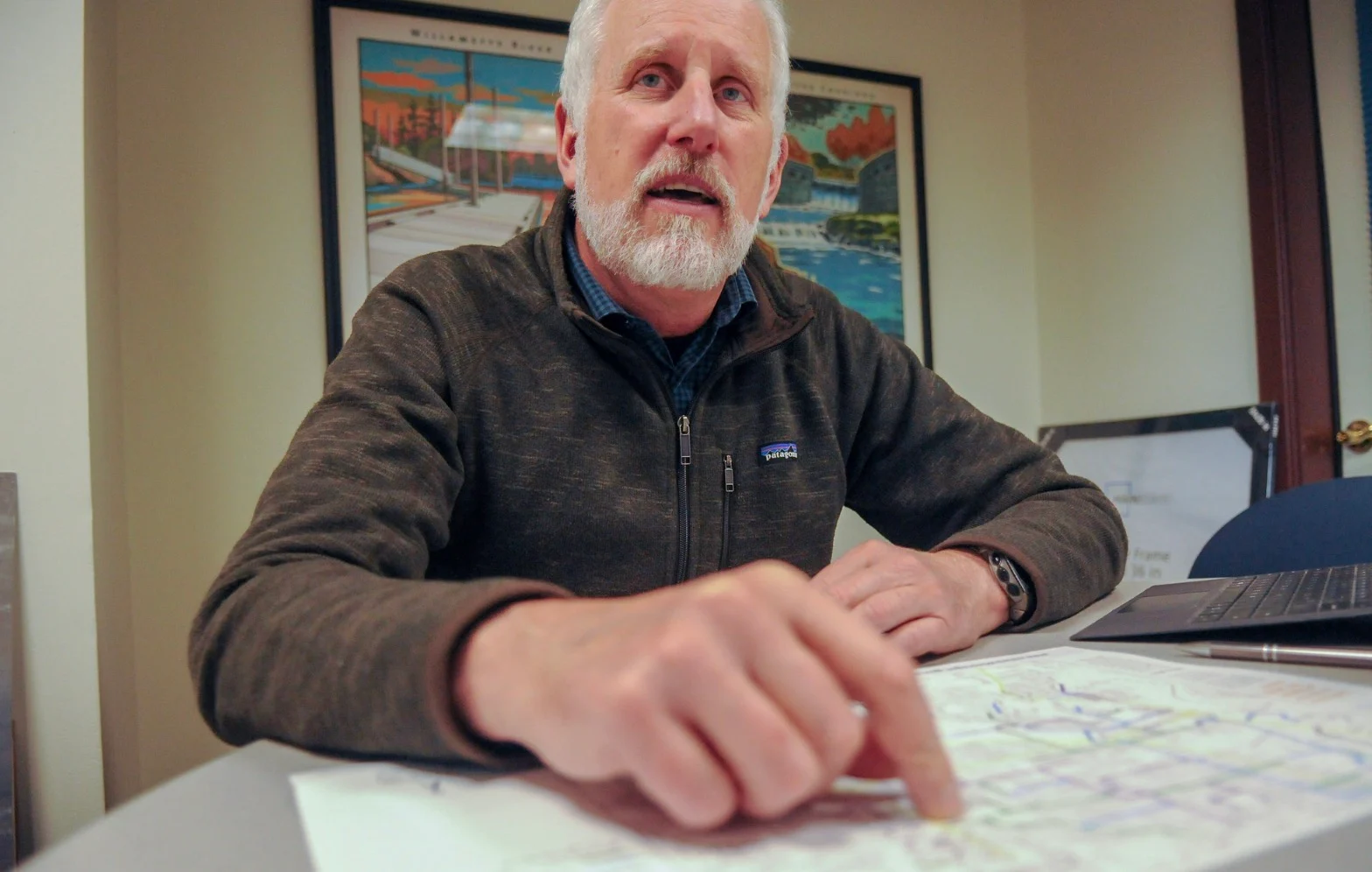
Oregon House Rep. Mark Gamba criticizes the handling of House Bill 2025, highlighting the state's underfunded transportation system, the political challenges faced, and the need for increased investment in infrastructure and safety, while criticizing the inefficiency of ODOT and the influence of misinformation and partisan politics on transportation policy.
New York City's congestion pricing plan has cleared its final bureaucratic hurdle, paving the way for its implementation. This plan aims to reduce traffic congestion and generate revenue for public transportation improvements by charging drivers entering the busiest parts of Manhattan. It marks a significant step in urban planning and traffic management for the city.
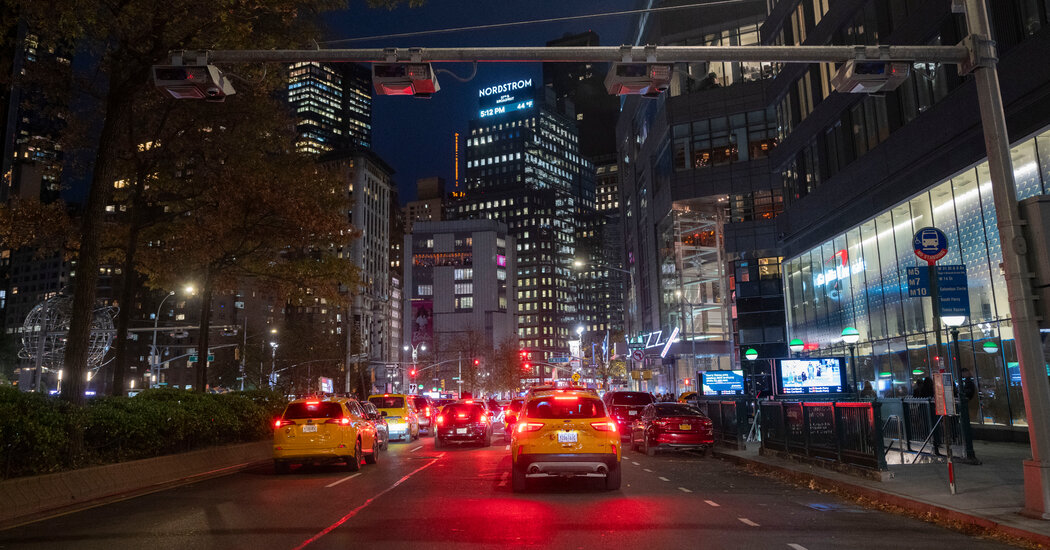
The MTA board has approved a $9 congestion pricing fee for non-commercial vehicles entering Manhattan's central business district south of 60th Street, set to begin on January 5. This decision follows the lifting of a hold by Governor Kathy Hochul, who proposed the reduced fee from an initial $15. The plan aims to reduce traffic congestion, although board member David S. Mack opposed it, suggesting alternative revenue sources.
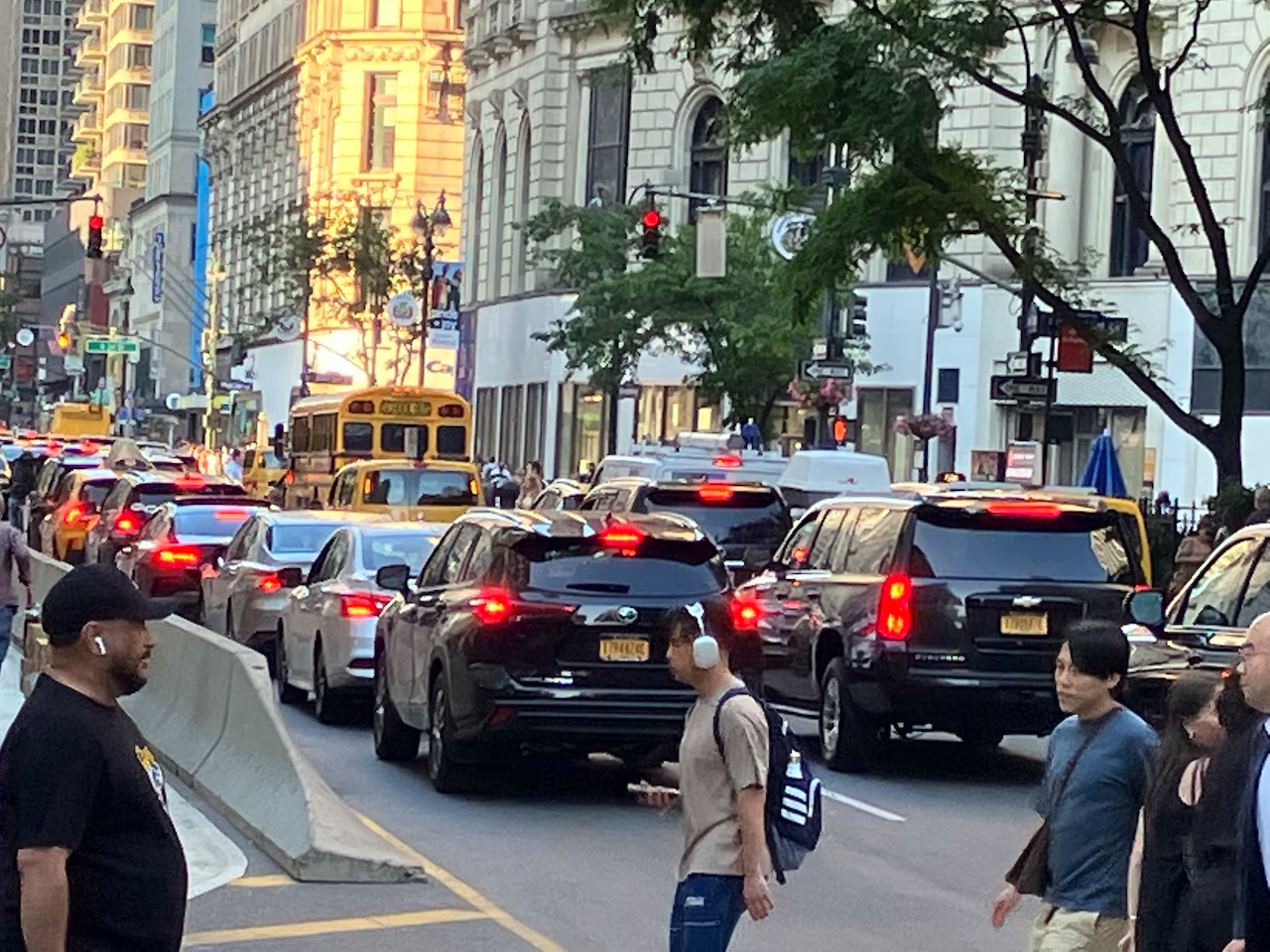
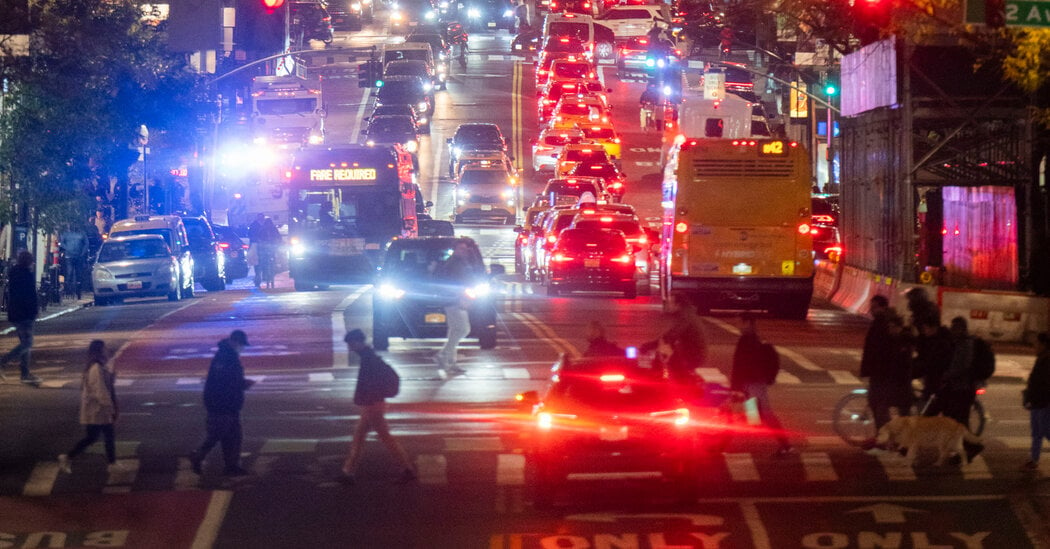
New York City's proposed $9 congestion-pricing toll aims to reduce traffic and generate funds for the subway system. However, there are concerns about whether this toll will be sufficient to address the subway's financial and operational challenges. The plan is part of a broader strategy to improve urban transportation and reduce emissions, but its effectiveness in solving the subway's issues remains uncertain.
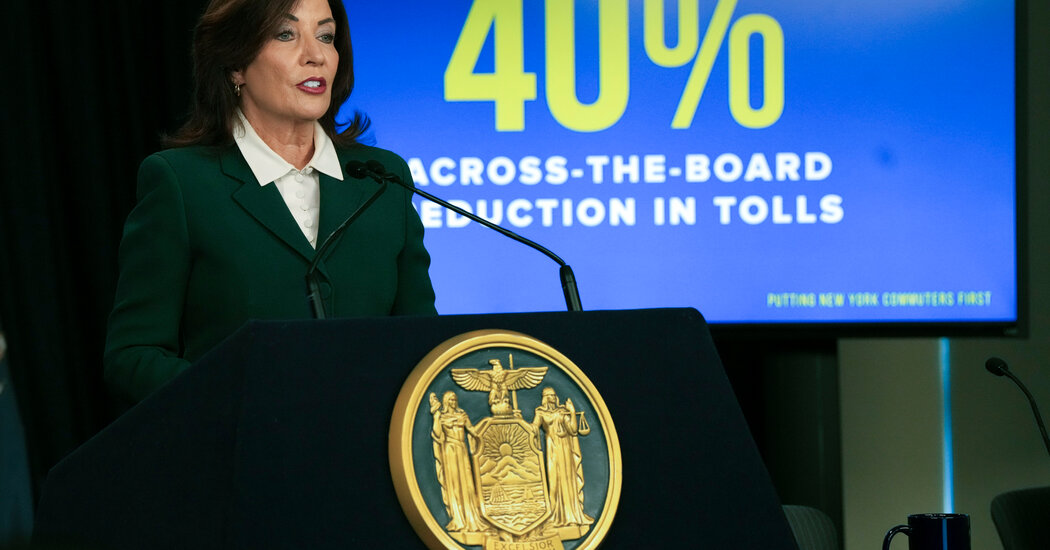
New York Governor Kathy Hochul's decision to lower tolls to $9 may have unintended political repercussions, as the move could be seen as insufficient or controversial among constituents. While the toll reduction aims to ease financial burdens on commuters, it may not fully address broader transportation and infrastructure concerns, potentially affecting Hochul's political standing.
New York Governor Kathy Hochul has reintroduced the congestion pricing plan, setting the toll rate at $9 instead of the previously proposed $15. This plan aims to reduce traffic congestion and generate revenue for public transportation improvements in New York City.
New York Governor Kathy Hochul plans to revive the congestion pricing program in Manhattan with a reduced toll of $9, after pausing the initiative due to economic concerns. The program aims to fund MTA improvements and reduce traffic congestion. This decision follows political pressure and legal challenges, especially after former President Trump's re-election, who opposes the plan. The revived tolling is expected to address a significant funding gap in the MTA's capital program, though it faces opposition from New Jersey politicians and transit worker unions.