
Vietnam's Two-Wheeler Market Shifts to Electric as One in Three New Sales Are Now Battery-Powered
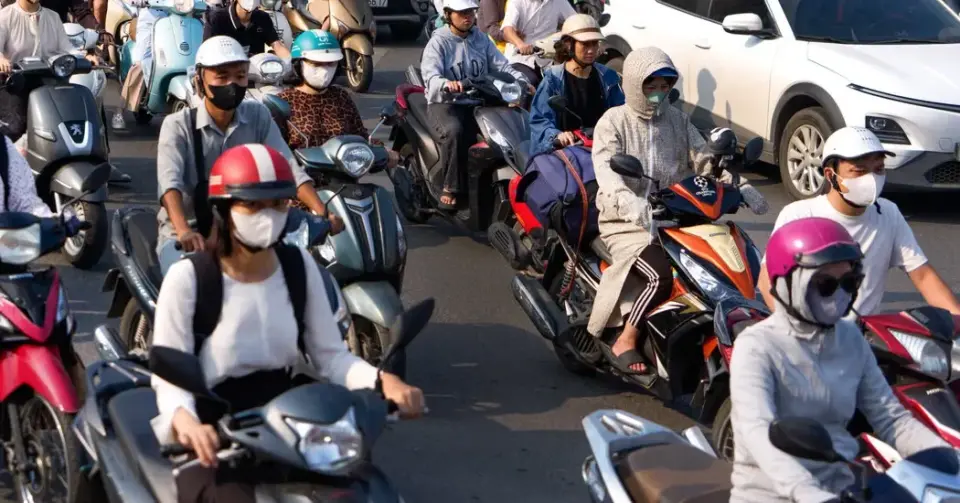
Vietnam is experiencing a rapid transition from gasoline to electric power in its massive two-wheeler sector. Driven by rising fuel costs, environmental regulations, and local manufacturing, electric motorcycles now account for one-third of new sales, positioning the country as a global testing ground for sustainable urban transport.
Key points
- Vietnam's streets are dominated by tens of millions of motorbikes used for commuting, school transport, and delivery services.
- A significant shift is occurring as more riders choose electric two-wheelers over traditional gasoline models.
- The transition is accelerated by soaring oil prices, government efforts to reduce pollution, and the rise of domestic manufacturers.
- In the current year, electric two-wheelers represent one in three new sales in the country.
- This market is now serving as a major testing ground for the future of transportation globally.
Background
While previous coverage has focused on high-performance electric cars in the US and luxury EVs in China, Vietnam's shift highlights a different trajectory. Unlike the luxury or performance segments, this transition is driven by mass-market utility and economic necessity, contrasting with the corporate restructuring seen in brands like Volvo due to market shifts in China.
Why it matters
Vietnam's rapid adoption of electric two-wheelers demonstrates how economic pressures and policy can drive large-scale infrastructure change in developing markets. This shift reduces reliance on imported fuel and lowers urban pollution, offering a model for other nations with similar transportation needs.
What to watch
As electric two-wheelers gain market share, expect continued growth in local manufacturing and infrastructure development. The success of this transition may influence future government policies on urban mobility and environmental standards in Southeast Asia.
Want the full story? Read the original reporting
Read on The New York Times