
VW Mission Efficiency Sets New Aerodynamic and Range Records
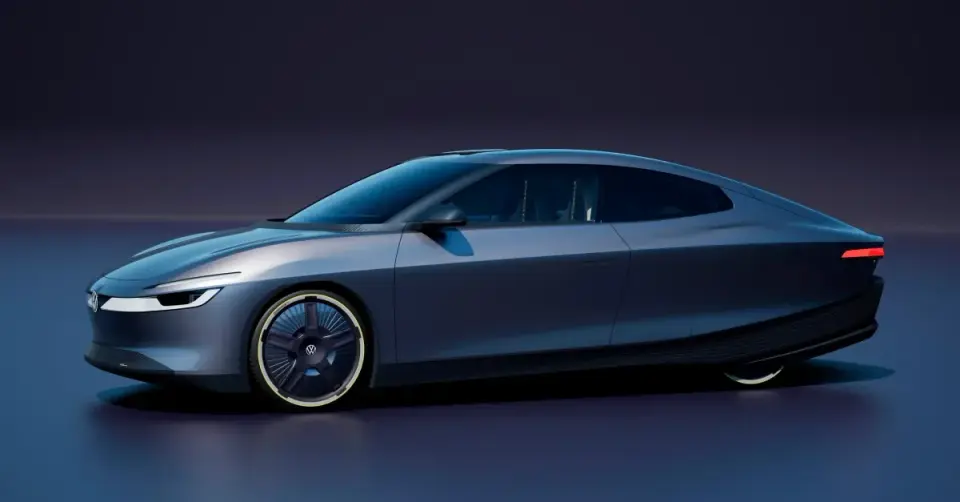
Volkswagen’s Mission Efficiency prototype has established three world records for aerodynamics, energy efficiency, and cost-effectiveness. With a drag coefficient of 0.158, it is the most aerodynamic road-approved vehicle. It achieved a consumption of 6.48 kWh/100 km in ideal conditions and completed a 1,278 km trip from Wolfsburg to Vienna on a single 54.9 kWh charge, leaving 164 km of range remaining.
Key points
- The Mission Efficiency concept features a drag coefficient of 0.158 and a frontal area of 2.08 square meters, making it the most aerodynamic road-legal car.
- It achieved an ideal consumption of 6.48 kWh/100 km at a constant 68 km/h with auxiliary systems off.
- A real-world test drive covered 1,278.36 km from Wolfsburg to Vienna, consuming 6.89 kWh/100 km without charging losses and 7.51 kWh/100 km with losses.
- The vehicle uses the same 99 kW motor and MEB+ platform components as the upcoming ID. Polo and ID. Cross, emphasizing mass-production technology over exotic hardware.
- Design features include a teardrop shape, covered rear wheels, patented rim deflectors, and a 370-watt solar roof that can add up to 30 km of daily range.
Background
This development follows Volkswagen’s earlier XL1 concept, which was praised for its efficiency in 2013. The current push for aerodynamic efficiency aligns with broader industry trends, where manufacturers like Ford, Mercedes, Audi, and Porsche are prioritizing drag reduction to improve EV range and attract consumers. The Mission Efficiency serves as a technological demonstration rather than an immediate production model, highlighting how design and weight reduction can enhance performance without requiring advanced battery or motor technology.
How outlets are covering it
The Verge emphasizes the practical implications of the efficiency records, noting that the vehicle’s design allows for vast distances with minimal charging stops. It highlights that the prototype is essentially a re-bodied ID. Polo, suggesting that significant efficiency gains can be achieved through design rather than exotic components. Volkswagen’s official press release focuses on the vehicle’s use of affordable, large-scale production technology, with CEO Thomas Schäfer stating that the records demonstrate the potential for efficiency in mass-produced electric cars. Motor1.com draws a parallel between the Mission Efficiency and the XL1, describing it as a spiritual successor for the electric era. It notes that while the vehicle is not intended for immediate sale, its practical features, such as 2+2 seating and 481 liters of luggage space, suggest a focus on real-world usability. All sources agree that the Mission Efficiency’s achievements are driven by aerodynamics and weight reduction, rather than advanced powertrain technology.
Why it matters
The Mission Efficiency demonstrates that significant improvements in electric vehicle range and efficiency can be achieved through aerodynamic design and weight reduction, using existing mass-production technology. This approach could lower costs and make EVs more accessible, addressing range anxiety and charging infrastructure concerns. The vehicle’s success may influence future design trends across the automotive industry, as manufacturers seek to optimize efficiency to attract consumers and meet regulatory standards.
What to watch
Volkswagen has not announced plans for a production version of the Mission Efficiency. However, the technology and design principles demonstrated by the prototype may be integrated into future models, such as the ID. Polo and ID. Cross. The industry is likely to continue focusing on aerodynamic efficiency as a key factor in improving EV performance and range. Consumers may see more vehicles with similar design features, such as covered wheels and streamlined bodies, in the coming years.
- Volkswagen’s slippery new EV breaks a bunch of efficiency records The Verge
- Mission Efficiency - Volkswagen presents the world’s most efficient near-production electric car volkswagen-newsroom.com
- VW Rewrote The Rules Of Aerodynamics Once, Now It's Embarrassing Rivals All Over Again carbuzz.com
- Volkswagen Just Built An EV That Can Go Nearly 900 Miles On A Charge Motor1.com
- Volkswagen’s Sleek New Concept Makes the ID.4 Look Like a Brick Autoblog
Want the full story? Read the original reporting
Read on The Verge