
Airlines Unbundle Premium Cabins: Delta’s Basic Business Keeps Lie-Flats, Cuts Lounges
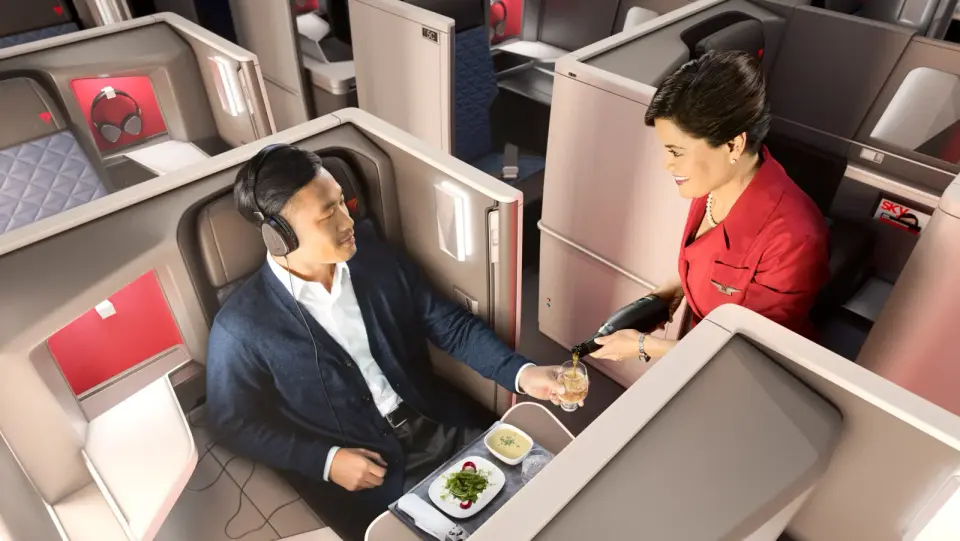
U.S. airlines are introducing entry-level fares for premium cabins, mirroring basic economy models. Delta’s new Basic Business ticket retains lie-flat seats and meals but removes lounge access, seat selection, and mileage perks. While this expands the customer base, added fees may negate savings for many travelers.
Key points
- Delta launched Basic Business in July 2026, offering lie-flat seats and meals but excluding lounge access, advance seat selection, and full mileage earnings.
- Lounge access for Basic Business passengers ends on January 19, 2027, requiring travelers to purchase higher-tier fares for ground privileges.
- United and JetBlue are implementing similar unbundled premium fares, though specific restrictions vary by carrier.
- Experts note that while base fares may be lower, adding optional perks often results in costs comparable to standard premium tickets.
Background
This development follows a broader industry trend of expanding premium cabins to boost revenue, as noted in recent coverage of Delta’s $200 wine upgrades and United’s chef-curated menus. Airlines are increasingly segmenting premium products to capture different price points, moving away from the all-inclusive model that defined traditional business class.
How outlets are covering it
USA Today emphasizes the trade-off between cost and convenience, noting that basic fares may not offer significant savings once fees are added. Simple Flying highlights the strategic value of retaining the lie-flat seat to attract long-haul travelers, while stressing the loss of flexibility for business travelers. Demokratis.co.id focuses on the specific January 2027 deadline for lounge access, clarifying that eligibility depends on the travel date rather than the purchase date. All sources agree that this unbundling allows airlines to appeal to a wider range of customers without redesigning physical cabin products.
Why it matters
This shift redefines the value proposition of premium travel, forcing consumers to evaluate whether the physical comfort of a lie-flat seat justifies the loss of traditional perks like lounge access and flexibility. It also signals a move toward more granular pricing structures across the entire airline industry.
What to watch
Travelers should monitor fare structures for their specific routes, as dynamic pricing may result in basic fares costing the same as standard tickets. Airlines may continue to adjust restrictions and perks in response to market demand and competitive pressures.
- Is basic business class worth it? What to know about the newest fare USA Today
- Delta Air Lines is introducing a basic fare for its first and business class cabins. The Lufkin Daily News
- Delta Air Lines' Basic Business Fare Keeps The Lie-Flat Seat, But Lounge Access Ends In 2027 Simple Flying
- Delta Ends Basic Business Lounge Access on January 19 2027 Demokratis.co.id
- Delta One Lounge Bars Basic Business From Jan. 19: Plan Ahead deeparrival.com
Want the full story? Read the original reporting
Read on USA Today