
American Airlines Overhauls Admirals Club Pricing to Push Credit Card Adoption
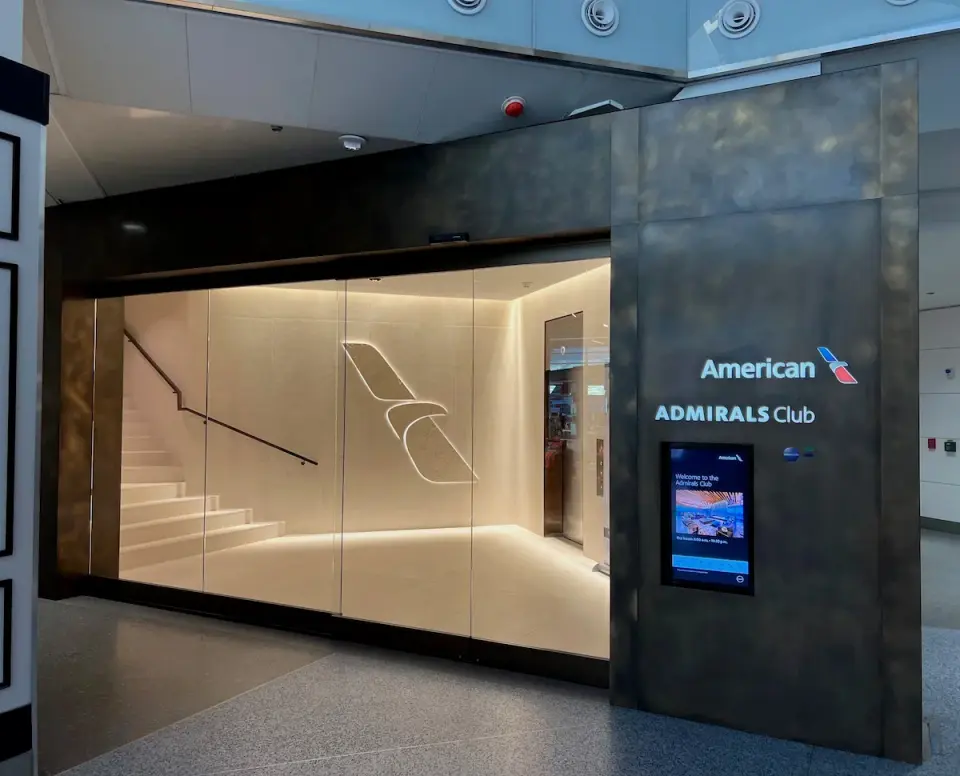
Effective August 23, 2026, American Airlines is restructuring its Admirals Club membership model, raising standard fees by up to 75% to $1,400 annually and introducing a new $750 single-tier option. The airline is eliminating household memberships and removing renewal discounts to steer customers toward the Citi AAdvantage Executive World Legend Mastercard, which costs $695 per year and includes lounge access. While the airline cites lounge upgrades and better service as justification, analysts note the move mirrors competitor strategies to prioritize credit card revenue over direct membership sales.
Key points
- Standard Admirals Club membership fees rise from $700-$850 to $1,200-$1,400 depending on elite status, with the general member rate hitting $1,400.
- A new single membership tier costs $750 annually but excludes guest privileges and partner lounge access, such as Alaska or Qantas clubs.
- Household memberships are discontinued, and the previous $50 renewal discount is removed, making the Citi AAdvantage Executive card at $695 the most cost-effective route to access.
- The Citi card refresh includes up to $2,300 in value, featuring a $500 American Airlines Vacations credit, Omni Hotels Champion status, and increased Loyalty Point bonuses.
- Existing members can renew at current rates until October 3, 2026, after which the new pricing structure takes effect.
Background
This shift follows a broader industry trend where airlines increasingly treat lounges as extensions of credit card businesses rather than standalone membership products. American Airlines has been investing in its lounge network, including new locations in Philadelphia and reimagined spaces in Chicago and Dallas-Fort Worth, alongside the launch of grab-and-go 'Provisions' concepts. The timing coincides with the airline's centennial year in 2026 and a strategic push to close the profit gap with competitors like Delta and United.
How outlets are covering it
One Mile at a Time emphasizes the aggressive nature of the price hike, noting that the primary goal is to drive customers toward the premium credit card, a strategy it compares to Delta's playbook. NerdWallet highlights that while the fees are steep, they align with Delta and United pricing, and notes that the card remains the most cost-effective option for frequent flyers. The Points Guy focuses on the enhanced value of the refreshed Citi card, pointing out that new benefits like the $500 vacation credit and Omni status make the $695 fee easier to justify for those who actively use the perks, though it warns that casual travelers may not benefit as much. American Airlines frames the changes as an investment in better food, service, and lounge expansion, while acknowledging the need to better reflect how customers actually use the lounges.
Why it matters
The restructuring signals a significant shift in how premium airline amenities are monetized, prioritizing credit card ecosystems over traditional membership models. For frequent flyers, the cost of direct lounge access has nearly doubled, making the Citi AAdvantage Executive card the primary entry point for premium services. This move may reduce lounge crowding but could also limit access for those who do not fit the credit card's spending profile, potentially impacting the overall user experience for non-elite or casual travelers.
What to watch
American Airlines is expected to continue rolling out lounge upgrades, including new locations in Austin and Nashville, and expanding the Provisions grab-and-go concept. The airline will likely monitor the impact of the new pricing on membership numbers and credit card adoption rates. Competitors like Delta and United may face pressure to adjust their own lounge and card strategies in response to American's aggressive push for credit card-driven revenue.
- American Admirals Club Membership Fees Increasing By Up To 75%, Will Cost Up To $1,400 One Mile at a Time
- American Airlines and Citi elevate premium travel with enhanced Citi / AAdvantage Executive World Legend Mastercard American Airlines
- American Hikes Admirals Club Membership Fees By Up to 75% NerdWallet
- Citi’s AAdvantage Executive Card gets a major refresh, but the annual fee is rising to $695 CNN
- Citi / AAdvantage Executive Mastercard is getting a major refresh — here's what's changing The Points Guy
Want the full story? Read the original reporting
Read on One Mile at a Time