
Airbnb’s New Chore Ban Triggers Host Backlash and Guest Relief
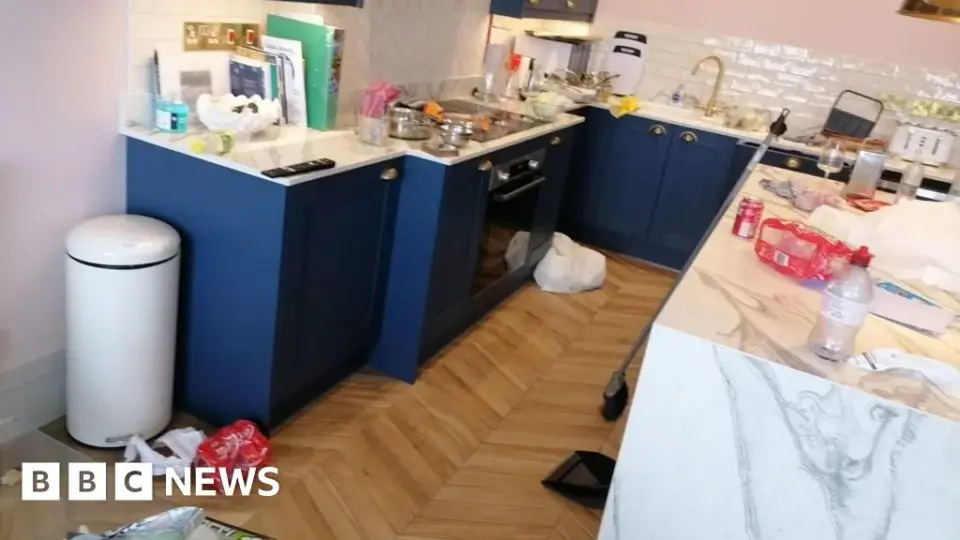
Airbnb has updated its house rules to prohibit hosts from requiring guests to perform labor-intensive cleaning tasks, such as stripping beds or taking trash off-site. Effective for bookings made from November 20, 2026, the policy aims to standardize guest expectations and ensure cleaning fees cover professional services rather than guest labor. While guests welcome the change as a relief from onerous checkout lists, many hosts are outraged, with some threatening to strike or unlist properties in protest.
Key points
- The new guidelines, effective for reservations booked on or after November 20, 2026, ban hosts from assigning tasks that typically require a professional cleaner, including washing dishes, stripping beds, and removing trash.
- Hosts are now limited to seven standard house rules and can only add other 'reasonable' requests, removing the ability to impose fines for guests failing to complete prohibited chores.
- Some hosts, such as Anthony Marsh in North Yorkshire, have reduced their listings on the platform, arguing that the rules give guests permission to leave properties in a state of disrepair without consequence.
- Guests, such as Jessica Newhook, have welcomed the changes, citing previous experiences where they were required to perform extensive cleaning despite paying substantial cleaning fees, such as $250 for a family reunion in Florida.
- The policy has intensified existing tensions between hosts and the platform, following previous increases in commission rates, with some hosts considering direct booking channels to avoid platform fees.
Background
This development follows a series of policy updates by Airbnb in late 2026 aimed at standardizing guest experiences and addressing complaints about confusing or excessive house rules. Previous coverage highlighted the platform's efforts to clarify the distinction between minor guest responsibilities and professional cleaning tasks, as well as the growing frustration among hosts regarding rising commission rates and the need to maintain property standards.
How outlets are covering it
BBC and The Guardian present a balanced view, highlighting both guest relief and host outrage. BBC emphasizes the practical concerns of hosts like Lisa Clewes, who fear increased cleaning costs, and the perspective of cleaning professionals like Krissi Foskett, who argue that professional cleaning is a cost of doing business. The Guardian, through columnist Arwa Mahdawi, takes a more critical stance toward Airbnb, describing the platform as 'soulless' and supporting a potential host strike, while also noting the lack of sympathy for hosts who impose unreasonable chores. The Financial Times offers a more analytical perspective, with economist Paul Belleflamme describing the move as a 'calculated trade-off' and noting the credibility of host threats to shift business to competing platforms. The FT also highlights the broader context of Airbnb's reputation issues, including overtourism and legal battles, while BBC and The Guardian focus more on the immediate impact on hosts and guests.
Why it matters
The new rules represent a significant shift in the power dynamics between Airbnb, hosts, and guests, potentially affecting the platform's business model and the broader hospitality industry. The policy could lead to increased costs for hosts, who may pass on expenses to guests, or result in a shift toward direct bookings, reducing Airbnb's commission revenue. For guests, the changes may improve the overall experience by reducing the burden of unexpected chores, but could also lead to higher prices if hosts adjust their fees. The outcome of this policy will influence the future of short-term rentals and the relationship between technology platforms and their users.
What to watch
The next steps will likely involve monitoring the impact of the new rules on booking volumes, host behavior, and guest satisfaction. Airbnb may need to address host concerns by providing additional support or incentives to maintain property standards. Hosts may continue to explore direct booking channels or seek loopholes in the new rules, while guests may benefit from a more standardized and predictable experience. The platform may also face increased scrutiny from regulators and local communities as it navigates the balance between guest and host interests.
- No more washing up: How Airbnb's new house rules have divided hosts and guests BBC
- The great Airbnb chore reprieve Financial Times
- Airbnb hosts can no longer ask guests to do housecleaning chores. Guests are cheering. The Boston Globe
- Airbnb feels like a soulless rip-off – and its hosts are revolting | Arwa Mahdawi The Guardian
- Airbnb guests no longer have to do chores. Furious hosts say they’ll raise cleaning fees instead Fortune
Want the full story? Read the original reporting
Read on BBC