
Hotel Staff Prioritize Demeanor and Luggage Over Appearance to Tailor Guest Experiences
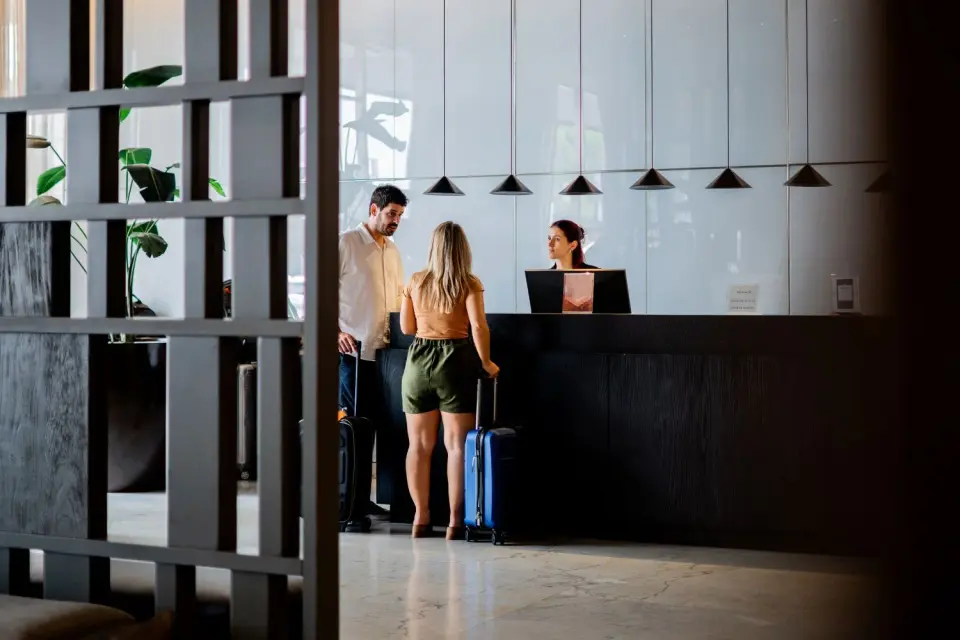
Hotel front desk agents primarily assess guests through body language, facial expressions, and luggage rather than physical appearance. Staff use these cues to determine if a traveler is exhausted, stressed, or excited, allowing them to adjust check-in speed and service levels. A friendly demeanor and willingness to share trip details can lead to personalized recommendations, upgrades, or special perks, while a positive attitude helps mitigate potential friction during the interaction.
Key points
- Front desk staff focus on non-verbal cues like body language, tone of voice, and facial expressions to gauge a guest's immediate needs.
- Luggage type and the number of accompanying travelers help staff infer the purpose and duration of the stay, such as business versus leisure.
- Staff adapt their approach based on observed emotions; for example, expediting check-in for stressed guests or offering personalized introductions for special occasions.
- A warm greeting and positive attitude from guests can encourage staff to offer upgrades, freebies, or local recommendations, as hospitality professionals aim to create memorable first impressions.
- Staff are trained to remain professional and accommodating even when dealing with difficult or rude guests, often viewing the interaction as an opportunity to de-escalate stress.
Background
This briefing synthesizes insights from hospitality professionals regarding the initial check-in process. While previous industry discussions often focus on room cleanliness or pricing, this report highlights the human element of guest arrival. The emphasis on reading subtle cues aligns with broader trends in luxury hospitality where personalized service is a key differentiator. The advice provided is consistent with general customer service best practices, emphasizing that a positive first interaction can significantly influence the overall guest experience and satisfaction.
Why it matters
Understanding how hotel staff perceive guests can improve the travel experience by helping visitors navigate the check-in process more effectively. By recognizing that staff are observing demeanor and needs rather than judging appearance, travelers can proactively communicate their expectations and foster a more positive interaction. This knowledge can lead to better service, potential perks, and a more comfortable stay, highlighting the importance of mutual respect and communication in the hospitality industry.
What to watch
Travelers are encouraged to adopt a friendly and open demeanor when checking in, sharing relevant details about their trip to allow staff to personalize their service. Hospitality professionals will continue to refine their observational skills to better anticipate guest needs, potentially leading to more tailored and efficient check-in processes. The industry may see a continued shift toward personalized, human-centric service as a competitive advantage in the hospitality sector.
Want the full story? Read the original reporting
Read on Travel + Leisure