
Passenger Sues Turkish Airlines Over $512 Hotel Refusal After Lavatory Malfunction
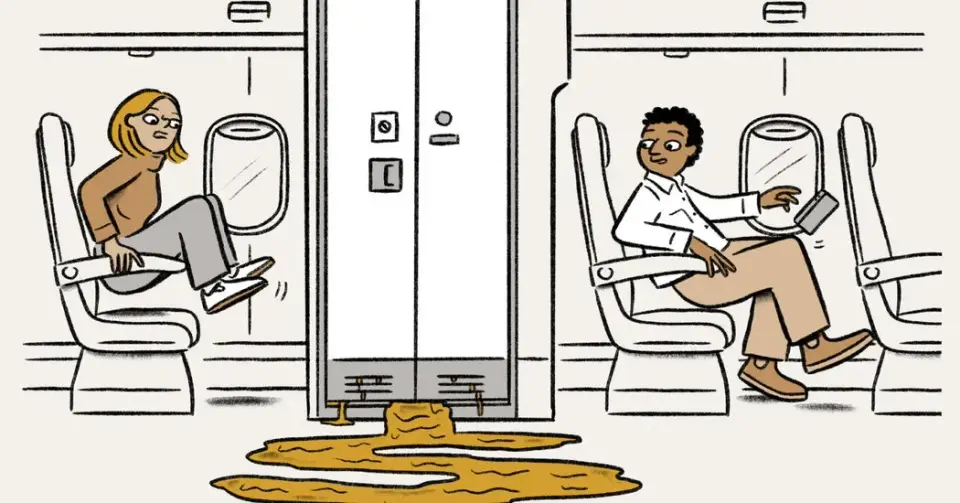
A couple from Colorado is disputing Turkish Airlines' refusal to reimburse a $512 hotel stay after a flight from Denver to Istanbul was canceled due to an overflowing toilet. The airline labeled the incident 'force majeure,' a term typically reserved for uncontrollable events like weather, while the couple argues it was a mechanical failure within the carrier's control. Despite submitting receipts twice, the passenger received no response from the airline.
Key points
- On May 30, a couple boarded a delayed Turkish Airlines flight from Denver to Istanbul at 11:30 p.m., only to return to the gate and have the flight canceled at 1:00 a.m.
- The Denver Post reported the cancellation was caused by an overflowing lavatory, but Turkish Airlines officially attributed the disruption to 'force majeure.'
- The couple stayed at the airport Westin for $512, including taxes and breakfast, and submitted their receipts to the airline twice without receiving a response.
- Turkish Airlines' customer service policy states it only covers hotel costs if the cancellation reason is under the airline's control, such as mechanical issues, not external factors like weather.
- The passenger questions whether the airline is evading responsibility by misclassifying a plumbing issue as an uncontrollable event.
Background
This dispute highlights ongoing tensions between airlines and passengers regarding compensation for delays and cancellations. While previous incidents, such as the United Airlines diversion in October 2026 due to a passenger threat, involved security issues, this case centers on a mechanical failure. Airlines often use 'force majeure' clauses to avoid liability for costs like hotels and meals, but passengers argue that equipment malfunctions fall under the carrier's operational responsibility.
Why it matters
The classification of a flight cancellation directly impacts passenger compensation rights. If an airline labels a mechanical issue as 'force majeure,' it may avoid covering lodging and meal costs, leaving passengers to bear significant expenses. This case underscores the importance of clear communication and adherence to customer service policies in aviation disputes.
What to watch
The passenger may escalate the dispute through consumer protection agencies or legal channels if the airline continues to ignore the submitted receipts. Airlines may face increased scrutiny if they are found to be misusing 'force majeure' definitions to avoid financial obligations for mechanical failures.
Want the full story? Read the original reporting
Read on The New York Times