
AI Firms and Rising Rents Drive Second-Wave Gentrification in Williamsburg
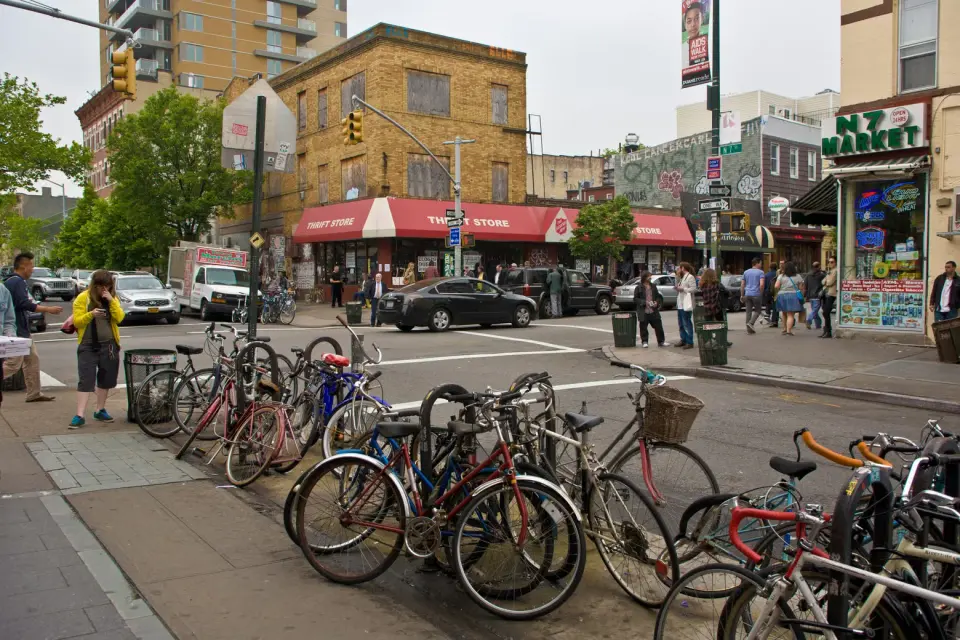
Williamsburg is undergoing a second wave of gentrification driven by AI startups and rising rents, displacing previous creative residents and homogenizing the neighborhood's cultural identity.
Key points
- Rent in Williamsburg has doubled between 2010 and 2026, with median prices reaching $5,100, surpassing the New York City average of $4,197.
- Major AI and tech firms, including Amazon Music, Queen One, and Autonomous Technologies, have established offices in the area, notably in the renovated Domino Sugar factory.
- The influx of tech workers has replaced the previous demographic of indie artists and hipsters, leading to a cultural shift toward wellness and standardized dining options.
- Displaced residents are moving to adjacent areas like Bushwick and Ridgewood, which are also experiencing rapid price increases.
- The neighborhood’s distinct cultural identity is fading as it adopts a homogenized aesthetic similar to other trendy urban areas, characterized by high costs and a focus on optimization over creativity.
Background
This development follows a broader national trend of AI infrastructure investment and urban displacement. Previous coverage noted that Big Tech is significantly increasing capital expenditure for AI infrastructure, which may correlate with the physical expansion of these firms into urban centers. Additionally, the area has a history of being a cultural hub for young professionals and artists, as highlighted in earlier media portrayals and local narratives.
Why it matters
The shift in Williamsburg illustrates how technological advancements and corporate expansion can fundamentally alter the social and economic fabric of historic neighborhoods, raising concerns about the loss of cultural diversity and the sustainability of urban creative economies.
What to watch
The displacement of current residents to further-outlying areas may continue, potentially leading to similar cultural homogenization in those neighborhoods. The long-term impact on local art scenes and the economic viability of small, independent businesses in Williamsburg will depend on whether the high cost of living can be sustained by the new demographic.
Want the full story? Read the original reporting
Read on Slate