
China's Industrial Surge Outpaces U.S. Retreat in Key Tech Sectors
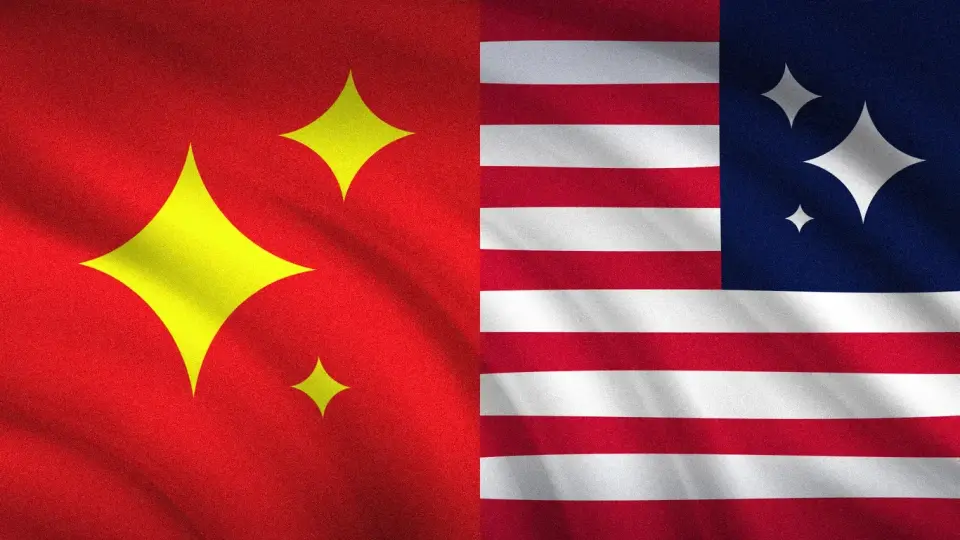
China is leveraging U.S. policy retreats to dominate emerging industries like AI, biotech, and robotics. While America focuses on trade and territorial disputes, Beijing has accelerated state-led innovation, achieving global leadership in manufacturing and clinical trials. Experts warn this shift could irreversibly alter the global balance of power.
Key points
- China produces 70% of the world's drones, electric vehicles, lithium-ion batteries, and solar cells, and deploys more industrial robots than the rest of the world combined.
- China has surpassed the United States in the number of registered clinical trials, signaling a potential lead in biotechnology and medical innovation.
- Chinese shipbuilding capacity is approximately 200 times that of the United States, raising concerns about military and industrial resilience.
- Beijing's AI strategy, described as an 'all-hands-on-deck' national innovation effort, contrasts with the U.S. reliance on private sector leadership.
- A recent Chinese AI model performed comparably to American competitors at a fraction of the cost, causing a plunge in microchip stocks.
- China's trade surplus reached a record $1.2 trillion as it redirected exports away from the U.S. following tariff disputes.
Background
This development follows a broader trend of U.S. policy shifts that have weakened its global standing. In 2026, the U.S. has faced declining international approval ratings, dropping nearly 40 points in recent surveys. Meanwhile, China has continued to expand its Belt and Road Initiative, investing roughly $1 trillion in infrastructure and technology across dozens of countries. Previous coverage noted how U.S. companies like Nike and Volkswagen are struggling in the Chinese market due to fierce competition from domestic brands and shifting consumer preferences, highlighting the competitive pressure facing Western firms in China's evolving tech and consumer landscape.
How outlets are covering it
Axios and The New Yorker present a largely aligned view that China is capitalizing on U.S. inaction to secure dominance in future industries. However, they differ in emphasis: Axios highlights the immediate impact on specific sectors like biotech and the 'infrastructure porn' of Chinese tech tours, while The New Yorker provides deeper historical context, noting China's shift from looking west to favoring its own visions of the future. The New Yorker also details the cultural and social implications of China's surveillance state, such as AI-driven behavior monitoring in schools and public spaces, which Axios touches on but does not explore in depth. Both sources cite Rush Doshi, who warns that losing the next wave of industries could irreversibly change the balance of power, but The New Yorker adds a historical analogy comparing the U.S. focus on territorial control to past European mistakes.
Why it matters
The U.S. risks ceding global leadership in critical technologies like AI, biotech, and robotics, which could have long-term geopolitical and economic consequences. China's state-led industrial policy is proving effective in achieving rapid advancements, while U.S. policies have led to a brain drain and a retreat from international alliances. This shift could redefine global power dynamics, with China positioning itself as the inevitable leader of the technological future.
What to watch
The U.S. may need to reassess its industrial and AI strategies to counter China's momentum. China is likely to continue expanding its global influence through initiatives like the Belt and Road Initiative and by offering surveillance and AI technologies to other nations. The outcome of this competition will depend on whether the U.S. can reverse its current trajectory and re-engage in global tech leadership.
Want the full story? Read the original reporting
Read on Axios