
Hormuz Closure Triggers Global Fertilizer Shock and Food-Price Pressure
TL;DR Summary
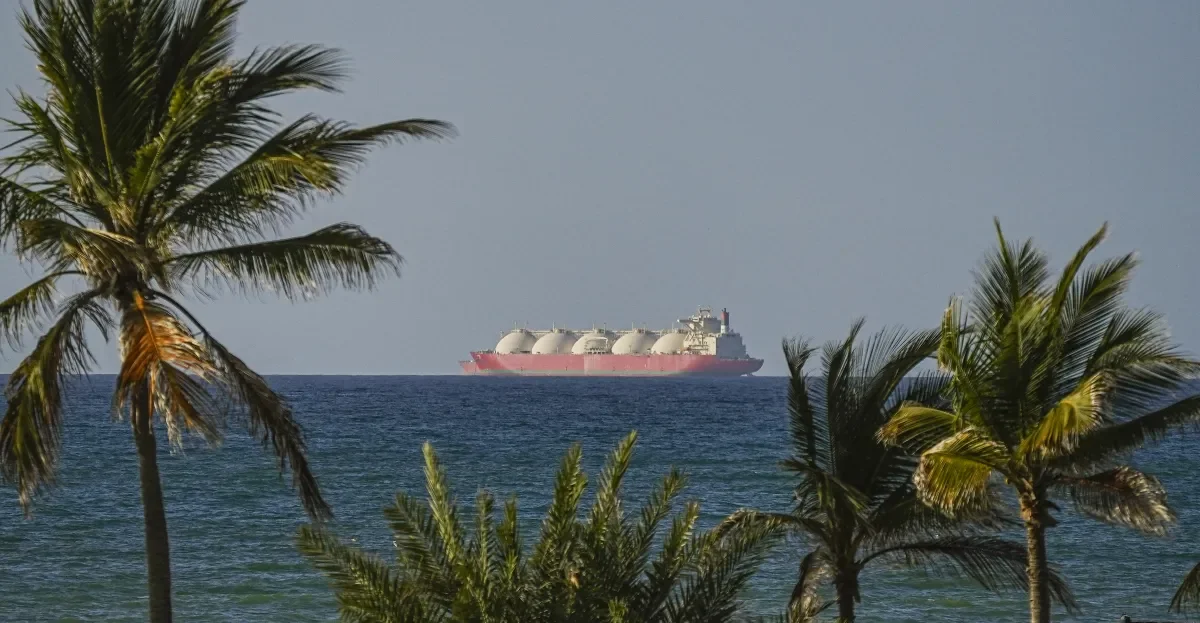
The closure of the Strait of Hormuz amid Iran’s war and disputed ceasefire has disrupted roughly half of fertilizer feedstock shipments, driving fertilizer prices up about 30–40% in the last month and threatening higher food prices or shortages as spring planting unfolds. Nitrogen fertilizer has climbed over 35% and phosphorus about 19%, and with the Haber‑Bosch process heavily dependent on LNG, cleaner alternatives aren’t online yet, so the shock could last months and affect crops through late summer and into 2027, potentially prompting farmers to cut fertilizer use or switch crops to cope.
- The Strait of Hormuz blockade is causing a slow-moving food crisis The Verge
- A Closed Strait of Hormuz Risks a Global Food Security Crisis War on the Rocks
- The Iran Conflict and Fertilizer Markets: Why Brazil Faces Greater Near-Term Risk than the U.S. farmdoc daily
- Diplomatic push underway on Hormuz fertiliser proposal, UN says, as shortages bite Reuters
- Fuel Shortages From Iran War Threaten Asia’s Biggest Food Staple Bloomberg.com
Reading Insights
Total Reads
0
Unique Readers
43
Time Saved
9 min
vs 10 min read
Condensed
95%
1,966 → 93 words
Want the full story? Read the original article
Read on The Verge