US Energy Secretary Chris Wright downplayed Europe’s record heat, arguing that winter deaths are higher, while urging Europe to buy more American natural gas as it grapples with climate-related heat and energy-security debates.
US and Qatar warn ahead of an EU energy ministers meeting that the proposed methane monitoring rules could trigger a Europe-wide gas crunch and higher prices, arguing exporters cannot meet the standards, even as Brussels signals a potential watering down of the rules; independent modelling has suggested there may be enough compliant gas, keeping the debate on energy security and prices ongoing.
Chevron will supply natural-gas-fueled power for Microsoft's new West Texas data center, Project Kilby, under a 20-year deal. The facility is expected to draw about 2.7 GW (roughly 2 million homes) via turbines from GE Vernova and Caterpillar, with power starting in 2028 as Microsoft expands AI-focused infrastructure.
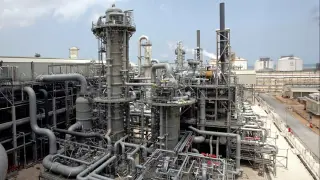
A large explosion at Qatar’s Ras Laffan Barzan gas facility injured at least 54 people and left 18 missing as search-and-rescue operations continued; the blast hit a major natural gas export terminal, potentially disrupting supplies and highlighting regional tensions amid ongoing conflict and Iran-related attacks on energy infrastructure.
The Interior Department will pay $765 million to Invenergy to abandon four offshore wind leases off New York, California, and Maine, redirecting the funds to build at least five natural gas plants and geothermal projects, bringing total government wind-cancellation spending to about $2.6 billion. Democrats criticize the move as blocking renewables and potentially raising power bills, while supporters say it shifts funding toward more reliable energy and national security concerns; the deals follow prior arrangements with TotalEnergies and have drawn legal challenges from some states.
Qatar reportedly pursued covert talks with Iran to shield Ras Laffan gas complex from strikes, highlighting Gulf back-channel diplomacy as Iran’s attack threatened global gas supplies and energy contracts.
Dwindling global oil inventories, driven by the Iran conflict, could push fuel prices higher in the near term, with energy executives warning that prices may stay elevated even if hostilities end due to tight supplies and ongoing geopolitical risks such as the Strait of Hormuz.
A natural gas–fueled explosion destroyed a 23-unit Oak Cliff apartment building, killing at least three people (two women and a child) and sending four others to the hospital, as rescuers excavate rubble and search for more victims; the NTSB is launching an investigation into the gas incident, Atmos Energy notes a nearby pipeline damaged by a construction crew, and authorities have set up assistance centers and community aid as the incident remains active.
Energy Secretary Chris Wright declined to predict gas prices as the Iran conflict keeps prices volatile, saying the U.S. remains the world’s largest producer of oil and natural gas and that natural gas costs haven’t risen; he noted gasoline and diesel will stay high for now but could eventually come down, and suggested considering relief options such as a federal gas tax.
Colorado lawmakers are racing to draft a last-minute bill to blunt Initiative 177, a voter-led effort to enshrine a constitutional right to natural gas. Supporters say the measure protects consumers from energy costs, while critics warn it could conflict with climate goals and air-quality regulations and complicate existing oil-and-gas rules as the signatures are gathered for a statewide vote.
Norway will reopen three North Sea gasfields—Albuskjell, Vest Ekofisk and Tommeliten Gamma—that last produced gas in the 1980s, with output planned for 2028 and expected to run about 20 years to bolster European gas supplies as Germany and the UK seek alternatives to Russia and the Middle East. The fields hold an estimated 90–120 million barrels of oil equivalent and are licensed to ConocoPhillips, Vår Energi, Petoro and Orlen. The government’s plan also includes offering 70 new exploration blocks, mostly in the Barents Sea, despite environmental concerns and political opposition.
A federal report shows utility companies shut off electricity 13.4 million times and gas 1.7 million times in 2024, signaling high financial distress among U.S. households, with disconnections concentrated in the South and consumer groups calling for protections against rate hikes and shutoffs.
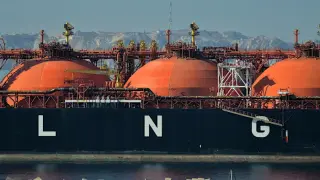
The IEA warns the Iran war will keep global natural gas markets tight through 2027 as damage to Qatar’s LNG facilities and the closure of the Strait of Hormuz curb supply, with a projected LNG shortfall and delayed expansion that could extend tighter markets for years.
Tensions over the Strait of Hormuz sparked market volatility and a wartime-style supply shock that underscored fossil-fuel fragility, while accelerating a global move toward renewables and China-led clean-energy supply chains as Asian nations reassess energy infrastructure and security.
The closure of the Strait of Hormuz amid Iran’s war and disputed ceasefire has disrupted roughly half of fertilizer feedstock shipments, driving fertilizer prices up about 30–40% in the last month and threatening higher food prices or shortages as spring planting unfolds. Nitrogen fertilizer has climbed over 35% and phosphorus about 19%, and with the Haber‑Bosch process heavily dependent on LNG, cleaner alternatives aren’t online yet, so the shock could last months and affect crops through late summer and into 2027, potentially prompting farmers to cut fertilizer use or switch crops to cope.