
Hormuz Violence Peaks as Oil Prices Normalize Above $100
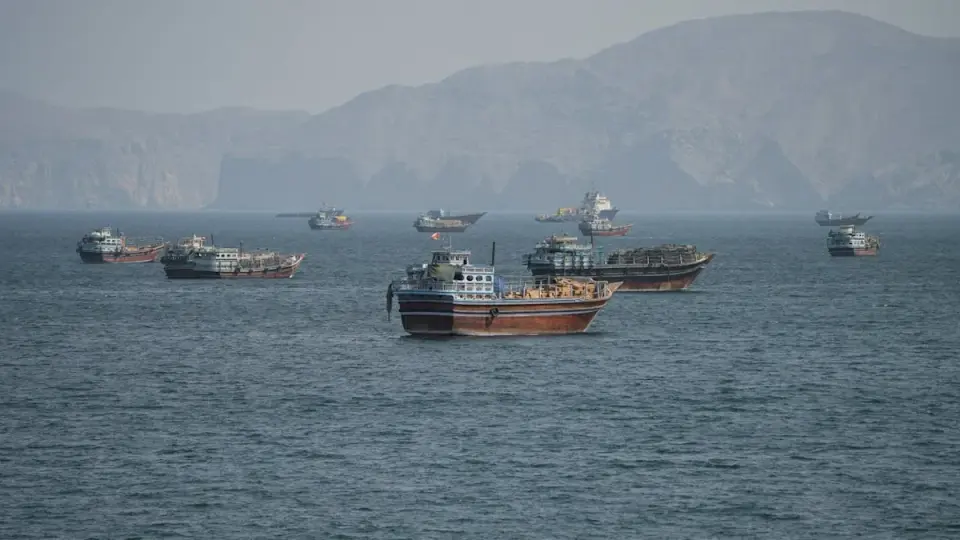
The Strait of Hormuz is experiencing its most violent period since the US-Iran war began in February, with 24 ships attacked in the two weeks leading up to October 11. Despite oil prices stabilizing above $100 a barrel, experts warn this 'new normal' masks severe supply risks. Physical shipping costs have skyrocketed, with tanker charters costing up to 10 times more than a year ago, while global reserves remain critically low.
Key points
- 24 ships were hit in the Strait of Hormuz in the two weeks to October 11, the highest number since the conflict started in February.
- Oil prices have settled above $100 a barrel, a level that once caused panic but now shows market desensitization.
- Physical oil delivery costs are significantly higher than futures prices, with some tanker charters costing an extra $38 per barrel.
- Oil flows through the strait dropped to 2.9 million barrels on October 11, down from a recent average of 15.5 million.
- The US lifted sanctions on Russian diesel exports to lower fuel costs ahead of midterm elections.
- At least 25 seafarers have been killed near the strait, and ship captains are reportedly paid $100,000 a month to transit.
Background
This escalation follows months of conflict that began in February 2026. In September, US forces destroyed Iranian tankers, pushing Brent crude near $99.44. In October, the IEA released 100 million barrels to address supply shortages, but global reserves remain at historic lows. Recent reports indicate oil flows dropped 40% below pre-war levels as Iran intensified attacks.
How outlets are covering it
The Independent and Yahoo News emphasize the 'new normal' of high oil prices and record attacks, highlighting the lack of international alarm. CNBC focuses on the discrepancy between futures prices and physical delivery costs, noting that real oil prices are $30-$40 higher due to shipping premiums. CNN provides broader context on how the war has upended global trade routes. All sources agree that the situation is critical, but they differ in emphasis: some focus on market sentiment, while others highlight physical supply chain disruptions and rising transportation costs.
Why it matters
The sustained disruption in the Strait of Hormuz, which handles a fifth of global oil and gas, threatens to trigger a global energy crisis. High shipping costs and low reserves could lead to food and fuel shortages, particularly in Asia and Africa. The lack of a peace deal and continued attacks suggest that the economic impact will persist, affecting inflation and global stability well into 2027.
What to watch
Analysts expect the diesel shortage to continue into 2027. The US and Iran are unlikely to reach a peace deal before the US midterm elections. Oil flows may remain volatile, and physical delivery costs are expected to stay high. The IEA and other bodies will likely monitor reserves closely, but replenishing stocks could take up to two years after the strait reopens.
- The disturbing ‘new normal’ in the Strait of Hormuz: Attacks on ships at a record high and oil at $100 a barrel Yahoo News UK
- How the US-Iran war upended two critical global trade routes CNN
- There is a violent ‘new normal’ in the Strait of Hormuz. Here’s why we should worry The Independent
- Brian Sullivan: Why the 'real' price of oil is likely $30-$40 higher than where it is now CNBC
- What’s behind predictions of surging fuel costs The Western Producer
Want the full story? Read the original reporting
Read on Yahoo News UK