
Strait of Hormuz Attacks Hit Record High as Oil Prices Stay Above $100
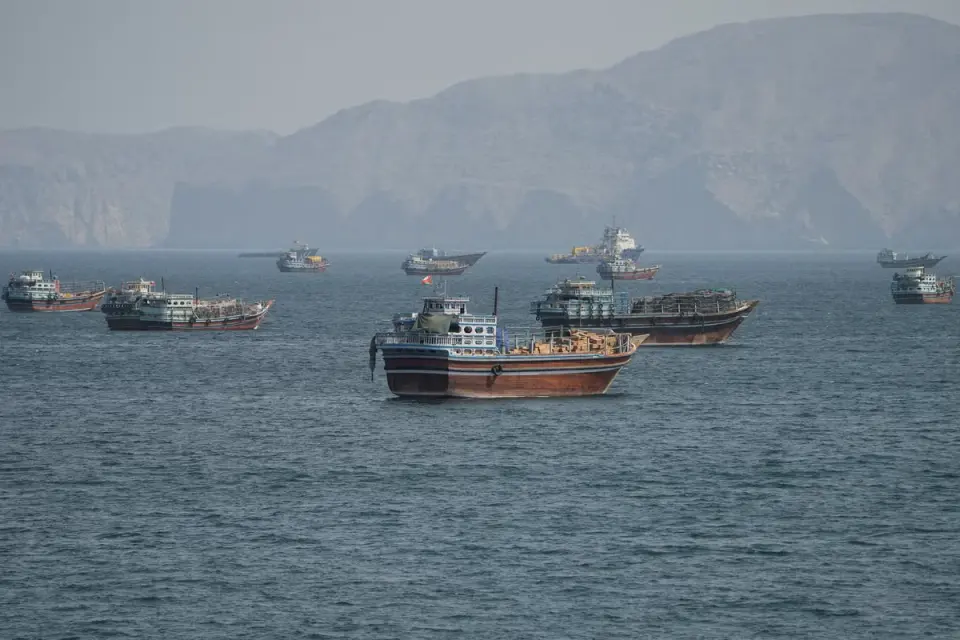
Maritime violence in the Strait of Hormuz has reached record levels, with 12 reported attacks on vessels in the past week alone. This sustained disruption, combined with a US naval blockade and Houthi strikes in the Bab al-Mandeb Strait, has kept Brent crude prices above $100 a barrel. While the US military assists 'dark' tankers to bypass the blockade, global oil reserves are critically low, and analysts warn that the true cost of physical oil delivery is significantly higher than futures prices suggest.
Key points
- 12 attacks on vessels were reported in the Strait of Hormuz in the past week, including the sinking of two cargo ships.
- Brent crude remains above $100 a barrel, up from $65 before the conflict began in February 2026.
- The US military is facilitating 'dark' transits, where tankers sail with transponders off, to bypass the Iranian blockade.
- Houthi attacks on the Bab al-Mandeb Strait and Saudi infrastructure have further constrained global oil flows.
- Physical oil delivery costs are soaring, with some tanker charters costing $76 million, adding roughly $38 per barrel to the price.
Background
This escalation follows months of conflict between the US/Israel and Iran, which began in February 2026. Previous coverage noted that global oil reserves have hit critical lows, with the US Strategic Petroleum Reserve at its lowest level since 1983. In October, the IEA released 100 million barrels to mitigate the crisis, but experts warn that replenishing these stocks could take up to two years after the strait reopens. Recent weeks have seen a sharp increase in incidents, including the sinking of the GFS Pride and Cape Dao, marking the most intense period of maritime disruption since the war started.
How outlets are covering it
The Independent and CNN emphasize the immediate security crisis, highlighting the record number of attacks and the US military's role in escorting oil through the strait. CNN notes that Iran is intensifying attacks in response to the volume of oil still exiting the region. CNBC offers a different economic perspective, arguing that the 'real' price of oil is $30-$40 higher than futures prices due to skyrocketing transportation costs, citing a $76 million charter for a supertanker. The Western Producer focuses on the long-term structural impact, warning that the global market has exhausted its safety buffers, such as strategic reserves, and that China's recent increase in imports could trigger further price hikes. While all sources agree on the severity of the disruption, they differ on the primary driver: The Independent and CNN focus on the military blockade, while CNBC and The Western Producer highlight the collapse of supply chains and depleted reserves.
Why it matters
The sustained high price of oil and the risk of physical shortages threaten to trigger inflationary pressures across the global economy, particularly in diesel and gasoline prices. With the US midterm elections approaching, the political pressure to lower fuel costs is intense, but the depletion of strategic reserves and the lack of viable bypass routes limit the options available to policymakers. The situation also highlights a shift in global energy strategy, with countries like China accelerating electrification to reduce dependence on volatile oil markets.
What to watch
Analysts expect oil prices to remain volatile and potentially rise further if Houthi attacks on the Bab al-Mandeb Strait intensify or if the Saudi East-West pipeline fails to regain full capacity. The US may face political pressure to release more oil from its depleted Strategic Petroleum Reserve, though this risks compromising the structural integrity of the storage facilities. In the long term, the crisis is likely to accelerate the global transition to electric vehicles and renewable energy as nations seek to insulate themselves from future oil shocks.
- There is a violent ‘new normal’ in the Strait of Hormuz. Here’s why we should worry The Independent
- How the US-Iran war upended two critical global trade routes CNN
- Brian Sullivan: Why the 'real' price of oil is likely $30-$40 higher than where it is now CNBC
- What’s behind predictions of surging fuel costs The Western Producer
- COMMENTARY: Oil's long view darkens as Iran war refuses to end Reuters
Want the full story? Read the original reporting
Read on The Independent