
Heirs seek to block $180M Van Gogh auction over 1936 Nazi-era sale
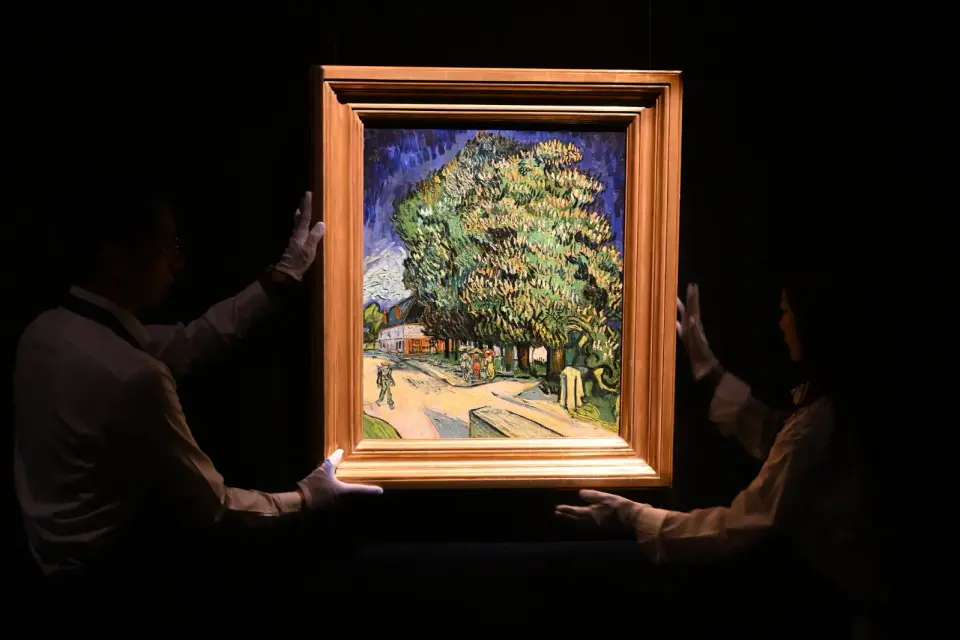
Descendants of a Jewish German publishing family have asked Sotheby’s to withdraw Vincent van Gogh’s 'Blossoming Chestnut Trees' from a Wednesday auction, alleging the 1936 sale was coerced by Nazi persecution. The work, estimated at $180 million, is part of the Blaquier-Arrieta collection, which also faces scrutiny over its Argentine sugar-industry origins.
Key points
- Heirs of the Fischer family, led by attorney Gunnar Schnabel, argue the painting was sold under duress in 1936 due to Nazi restrictions and the 'Reich flight tax'.
- Sotheby’s states its research has not established the sale was forced but is committed to a resolution; the auction is scheduled for Wednesday in New York.
- The painting, 'Châtaigniers en Fleurs,' is estimated at $180 million, potentially surpassing the previous Van Gogh auction record of $117 million.
- The work is part of the Blaquier-Arrieta collection, acquired by Argentine sugar magnate Carlos Pedro Blaquier in the 1970s, who faced charges related to the 1976 'Night of the Blackout' disappearances.
- The painting had not been seen in public for over 60 years and was painted by Van Gogh in 1890 in Auvers-sur-Oise.
Background
This dispute highlights evolving standards in art restitution, where sales outside Nazi-controlled territories are increasingly scrutinized for duress. A 2021 case in Düsseldorf set a precedent where a painting sold in New York was returned to Jewish heirs, acknowledging that persecution could force sales abroad. The Fischer family had previously reserved rights regarding other works sold under similar circumstances. The current auction is part of Sotheby’s 'Legendary' sale, featuring 12 masterpieces from the Blaquier-Arrieta collection, which has faced criticism for its links to Argentina’s military dictatorship era.
How outlets are covering it
The New York Times and The Times of Israel focus on the legal and historical arguments regarding the 1936 sale, emphasizing the heirs' claim that Nazi persecution directly caused the transaction. The Guardian provides a broader critical perspective, highlighting the 'stained' history of the Blaquier-Arrieta collection due to Carlos Pedro Blaquier’s alleged involvement in the 1976 'Night of the Blackout,' where up to 55 people were disappeared. While Sotheby’s maintains the artworks' significance is separate from the seller's legal history, The Guardian argues the auction ignores these troubling origins. The Telegraph source was inaccessible due to a security block, offering no additional perspective.
Why it matters
The outcome could set a precedent for high-value art restitution cases involving sales outside Nazi-controlled territories. If the auction proceeds, it may validate Sotheby’s position that market-value sales are not automatically voided by external persecution. Conversely, a withdrawal could signal a shift in how auction houses handle provenance claims linked to historical duress, affecting future sales of works with complex ownership histories.
What to watch
Sotheby’s has not confirmed whether the painting will remain in the Wednesday auction. The heirs have indicated willingness to work toward a 'fair and just solution' based on the 1998 Washington Principles. The auction will also feature other major works, including Monet’s 'Le Jardin des Tuileries' and Cézanne’s 'Arlequin', with potential for record-breaking prices.
- Jewish heirs seek to halt $180 million Van Gogh auction over alleged Nazi-era forced sale The Times of Israel
- Jewish Heirs Challenge Sale of $180 Million van Gogh Painting at Sotheby’s The New York Times
- Sotheby's auction of $180m Van Gogh challenged over claims it was 'sold under duress' BBC
- Masterpieces haunted by brutal past could send records tumbling at Sotheby’s The Guardian
- Jewish heirs challenge sale of £135m Van Gogh over ‘Nazi duress’ claim The Telegraph
Want the full story? Read the original reporting
Read on The Times of Israel