
Netherlands Exits Eurovision 2027, Citing Persistent Political Divisions
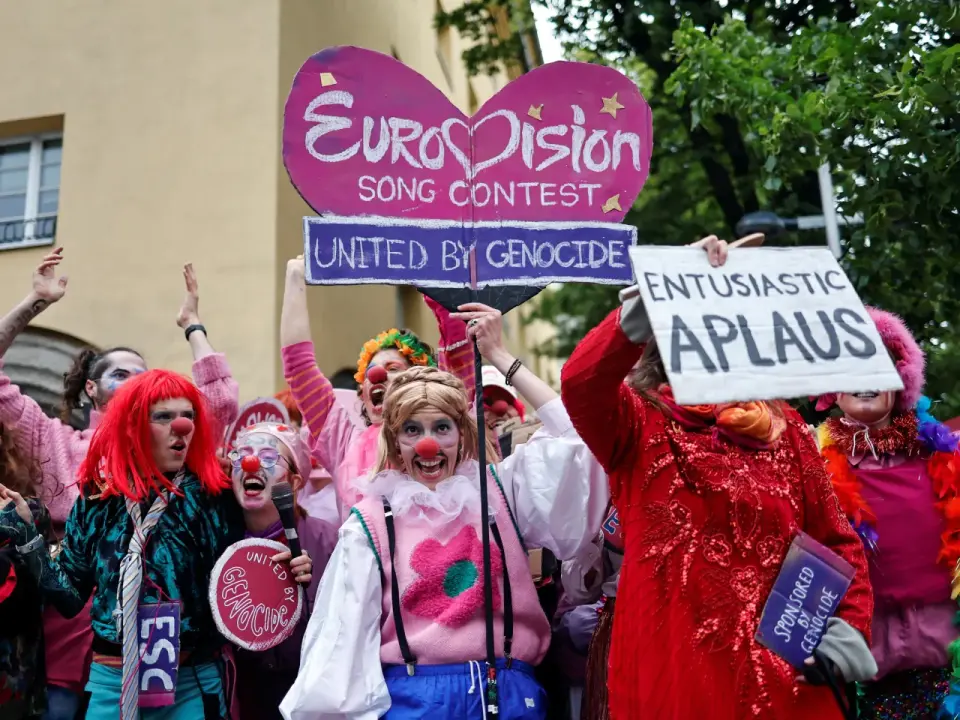
The Dutch public broadcaster AVROTROS will not participate in the 2027 Eurovision Song Contest, stating that ongoing international conflicts have compromised the event's neutrality. This decision follows a series of recent boycotts and a significant drop in viewership for the 2026 edition, which was held in Vienna.
Key points
- AVROTROS Director-General Taco Zimmerman announced the withdrawal, arguing that the contest has become a platform for division rather than a neutral cultural event.
- The broadcaster rejected recent organizational changes, such as excluding countries involved in armed conflicts from hosting, as insufficient to restore the contest's independent character.
- The 2026 Eurovision Song Contest in Vienna saw Israel finish second, continuing a trend from 2025, while five countries boycotted the event entirely.
- Viewership for the 2026 contest dropped to 131 million, a decrease of 35 million compared to the previous year, largely due to the withdrawals of the Netherlands, Iceland, Spain, Ireland, and Slovenia.
- The 2027 contest is scheduled to take place in Burgas, Bulgaria, following the victory of Bulgarian singer Dara with the song 'Bangaranga' in 2026.
Background
The Eurovision Song Contest, launched in 1955, has historically served as a major platform for pop music, launching global careers for artists like ABBA and Celine Dion. Recent years have seen increasing political tensions intersect with the event, particularly regarding Israel's participation. The 2026 edition in Vienna marked a significant shift, with multiple nations refusing to broadcast or participate, signaling a broader erosion of the event's traditional neutrality. This follows a period where the contest faced protests and declining viewership, prompting organizers to announce rules excluding countries in active armed conflict from hosting future editions.
Why it matters
The Dutch withdrawal highlights a growing trend of cultural events becoming politicized, leading to significant drops in audience engagement and international participation. It underscores the challenges broadcasters face in maintaining neutrality amidst global conflicts, potentially setting a precedent for other nations to follow suit in future editions.
What to watch
The 2027 Eurovision Song Contest will proceed in Burgas, Bulgaria, but the Dutch boycott may influence participation levels and viewership. Organizers will likely face continued scrutiny regarding their efforts to maintain neutrality, and other countries may evaluate their own participation based on the outcome of the 2027 event.
Want the full story? Read the original reporting
Read on Al Jazeera